
Hipmi Pushes for National Energy Saving Movement to Address Crisis
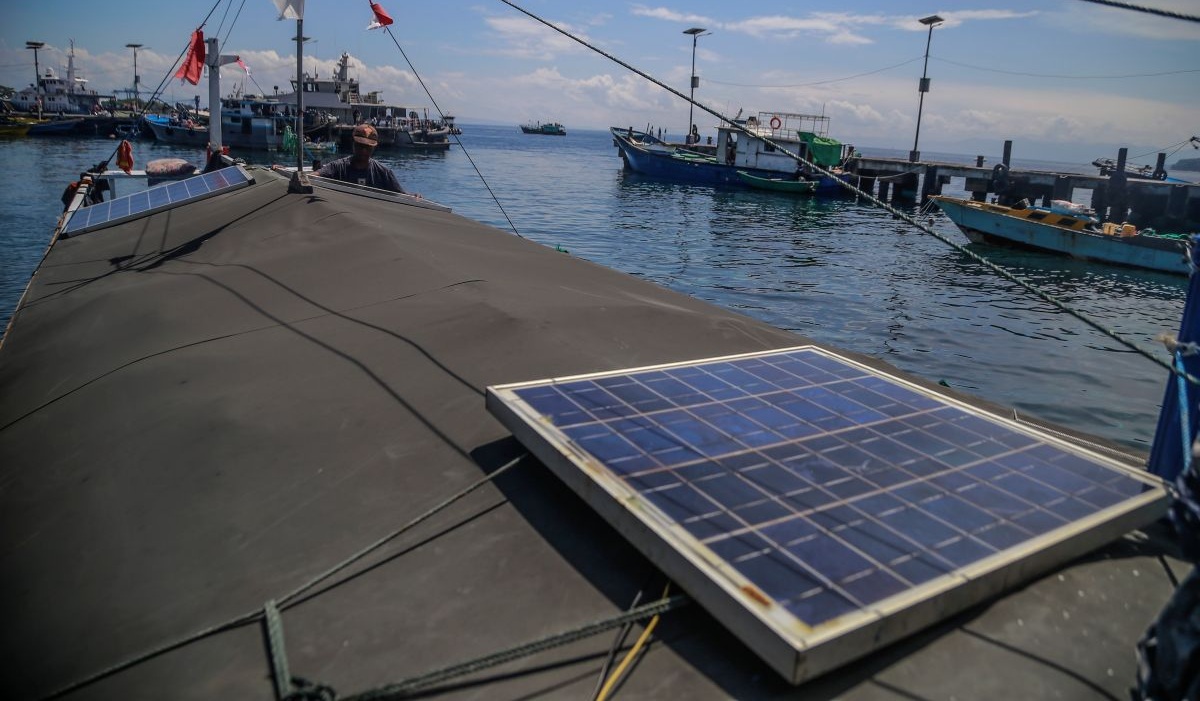
The Central Board of the Indonesian Young Entrepreneurs Association (BPP Hipmi) is pushing for the launch of a National Energy Saving Movement as a strategic and collective step to address the intensifying global energy crisis pressures in the Middle East region.
BPP Hipmi Secretary General, Anggawira, stated that global geopolitical dynamics stemming from the US-Israel war against Iran are driving a surge in world energy prices. According to him, this situation has the potential to pressure national economic stability, increase the energy subsidy burden, and widen the State Revenue and Expenditure Budget (APBN) deficit.
“It is time for Indonesia to have a structured, measurable, and massive National Energy Saving Movement. This is no longer just an appeal, but must become a national strategy in safeguarding our economic and energy resilience,” said Anggawira in his statement on Wednesday (25/3/2026).
Anggawira explained that to date, several countries have implemented various energy-saving actions as anticipatory measures. Among them, Philippine President Ferdinand R. Marcos Jr. officially declared a national energy emergency to anticipate global fuel supply disruptions on Tuesday (24/3/2026).
On the same day, South Korean President Lee Jae Myung also launched 12 energy-saving guidelines for citizens to anticipate the energy crisis resulting from the US-Israel war against Iran.
According to Anggawira, domestic energy policies have so far relied too heavily on the supply side, while energy consumption management has not been a primary focus. Yet, in crisis conditions, demand-side management or controlling energy consumption is the quickest and most effective step to mitigate pressures. “So this needs to be orchestrated,” he said.
Hipmi assesses that the National Energy Saving Movement must be packaged as a cross-sectoral programme involving all elements of the nation, with concrete and measurable approaches. The necessary approaches include:
“We must change the paradigm from consumptive to efficient. Every energy saving has a direct impact on national economic stability,” said Anggawira.
Hipmi emphasises that the business world is ready to act as the driving force in implementing the National Energy Saving Movement through:
“Energy efficiency is not just about cost savings, but also part of a strategy to enhance the competitiveness of the national industry amid global pressures,” said Anggawira.
Furthermore, to ensure the National Energy Saving Movement runs effectively, Hipmi urges the government to:
Hipmi also stresses that the current energy crisis must become a momentum to accelerate the transformation towards a more efficient, resilient, and independent energy system.
“Saving energy today is the foundation for Indonesia’s energy sovereignty in the future. This is a shared responsibility: government, business world, and all of society,” said Anggawira.