
HIMKI: Strengthening Business Climate Key to Accelerating Indonesia's Developed Nation Status
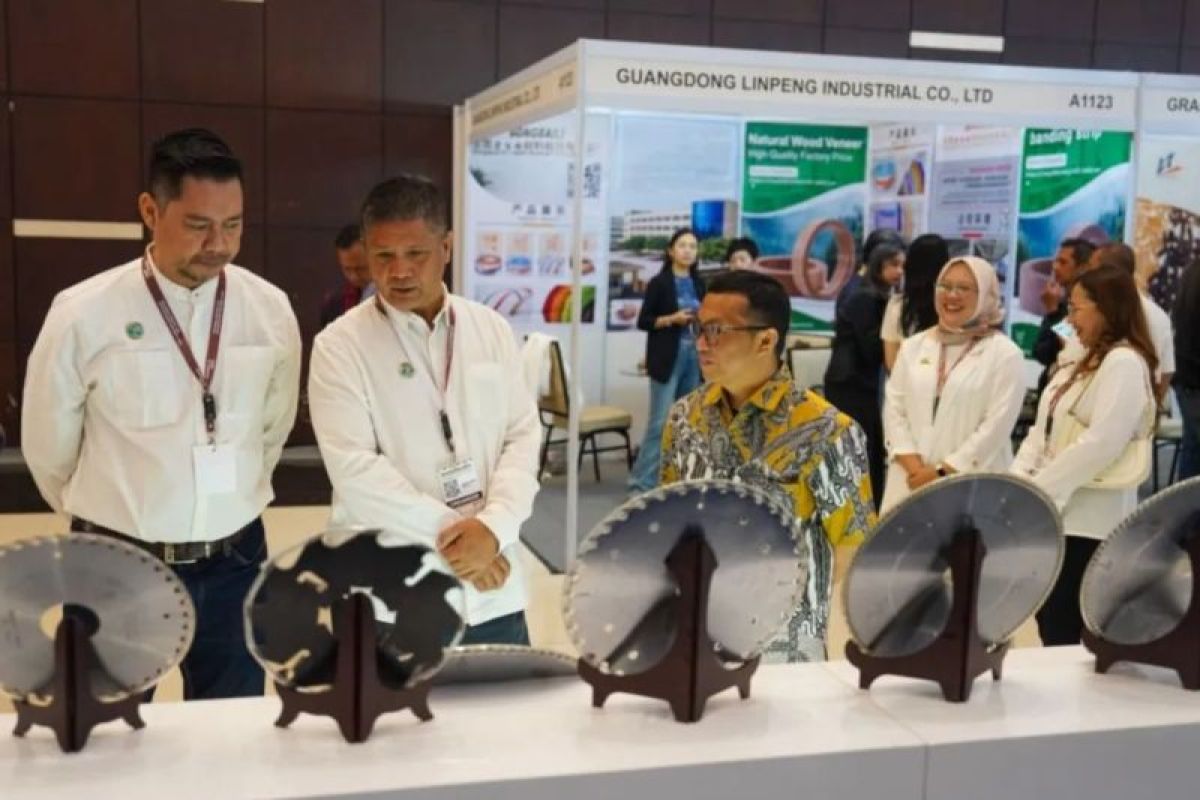
The Indonesian Furniture and Handicraft Industry Association (HIMKI) believes that strengthening the business climate, supported by public trust, is the key to accelerating Indonesia’s progress towards becoming a developed nation. HIMKI Chairman Abdul Sobur stated that trust is the greatest asset capable of encouraging investment, strengthening the business world, and increasing national industrial competitiveness. “Trust makes people brave enough to invest. Trust makes banks willing to disburse financing. Trust makes buyers from various countries continue to come to Indonesia. And most importantly, trust makes the people believe that the state is present to protect common interests,” Sobur said in a statement confirmed in Jakarta on Thursday. He noted that Indonesia possesses the capital to become a developed country, ranging from abundant natural resources and a demographic bonus to public creativity and a strategic geographical position. However, he warned that various corruption cases not only result in state financial losses but also have the potential to erode public trust. Sobur explained that the government plays a crucial role in strengthening public and business confidence through consistency in upholding the rule of law. “A leadership legacy is not only measured by the number of development projects, but also by the strength of the institutions left for the next generation,” he said. He expressed optimism that Indonesia can progress with the support of all elements of the nation, from the government and law enforcement to the business sector, academics, media, and the public, in maintaining integrity as a shared value. Meanwhile, the Ministry of Industry is targeting Indonesia to become a global furniture production hub by strengthening sustainable wood downstreaming and increasing the national industry’s competitiveness. The sector employs hundreds of thousands of workers and is connected to a global market valued at over 736.21 billion US dollars. The Ministry projects that within the next five years, Indonesia will not only increase its production capacity but also lead in design and sustainability aspects. Separately, the Indonesian government is providing legal certainty to investors by reviewing the adoption of the United Nations Commission on International Trade Law (UNCITRAL) Model Law on Cross-Border Insolvency (MLCBI). Deputy Minister for Investment and Downstreaming, Todotua Pasaribu, confirmed that Indonesia is currently studying and discussing international best practices, including the principles contained in the UNCITRAL Model Law. Although not the primary regulator, the Investment Coordinating Board supports relevant ministries and institutions in formulating cross-border insolvency policies to boost Indonesia’s global competitiveness.