
Himbara: Seven Prerequisites to Boost Investor Confidence in PFII
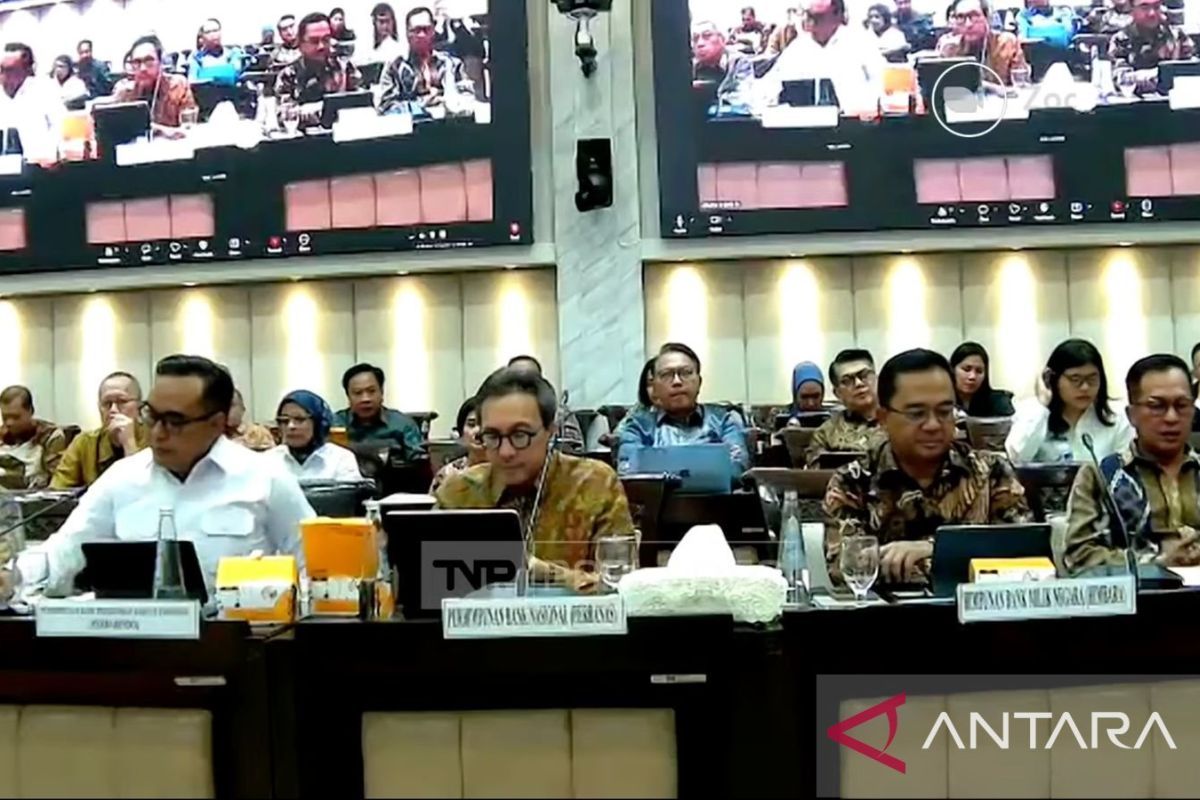
The Association of State-Owned Banks (Himbara) believes there are seven main prerequisites that need to be developed in an integrated manner to increase investor confidence in the Indonesian International Financial Centre (PFII) ecosystem. The seven prerequisites include regulatory certainty, competitive fiscal incentives, modern financial market infrastructure, ease of doing business, availability of talent and a professional services ecosystem, governance and transparency of international standards, and a dispute resolution mechanism that provides legal certainty for investors. “We are of the opinion that the success of the PFII does not only depend on the development of the physical area, but also requires an ecosystem that meets international financial centre standards,” said Eko Setyo Nugroho, Institutional Director of PT Bank Negara Indonesia (Persero) Tbk (BNI), who attended on behalf of Himbara at the PFII Bill Working Committee hearing in Jakarta on Thursday. According to him, if these seven prerequisites can be realised consistently, the PFII will not only increase investor confidence but also strengthen the competitiveness of the national financial services sector. Thus, the PFII is expected to attract more global capital while accelerating Indonesia’s transformation into one of the region’s international financial centres. Eko added that the PFII is also expected to be a catalyst in strengthening the competitiveness of Indonesia’s financial sector, particularly to support increasingly complex and globally oriented corporate financing needs. The presence of an integrated financial ecosystem is considered capable of expanding financing alternatives, increasing transaction efficiency, and strengthening connectivity between domestic businesses and international financial markets. Furthermore, Himbara assesses that the PFII opens opportunities for the banking industry to provide more comprehensive and value-added services for corporate clients. On the other hand, the PFII also has the potential to increase Indonesia’s attractiveness as an investment destination, deepen the domestic financial market, and encourage increased capital flows and liquidity within the country. This condition is expected to strengthen the intermediation function of the financial sector and support sustainable national economic growth. However, Eko cautioned that the success of the PFII is determined not only by business aspects or the provision of incentives, but also by the availability of a strong regulatory framework and governance. “Legal certainty, effective coordination between authorities, and the application of compliance principles aligned with international standards are important factors in building investor confidence and market behaviour,” Eko said. In addition, the implementation of the PFII is considered necessary to be carried out in stages, taking into account infrastructure readiness, industry capacity, and risk mitigation so that the expected benefits can be achieved optimally. With these steps, the PFII is expected to strengthen Indonesia’s position as a competitive financial activity centre at the regional and global levels. Regarding the regulation of law enforcement and the operation of the PFII, Himbara encourages the establishment of a specialist and independent dispute resolution institution, supported by the optimisation of digitalisation through e-court. This step is considered important to guarantee dispute resolution by parties who understand the industry while providing fast, transparent, and efficient legal certainty. Himbara also considers it necessary to have firm arrangements regarding the imposition of sanctions for parties who violate provisions within the PFII. The regulation is expected to provide a strong mandate to formulate proportional sanctions, both administrative and other forms of sanctions, in order to maintain the integrity and health of the PFII industry. In addition, clear boundaries are needed regarding jurisdiction, investigation and inquiry authority, and the responsible authority to avoid overlapping authority or grey areas between agencies. Considering that the operation of the PFII also has the potential to face transnational crimes, Himbara supports the inclusion of mutual legal assistance and extradition mechanisms in the PFII Bill so that Indonesia has a strong legal basis if assets or perpetrators of criminal acts are in foreign jurisdictions. Himbara also stressed the importance of clarity in the relationship between the PFII Bill and other laws and regulations to avoid potential multiple interpretations in the application of provisions. Finally, Himbara proposed nine crucial content materials to be included in the body of the PFII Bill. The proposal is divided into three clusters, namely corporate foundations and legal subjects, governance and industry stimulus, and compliance, justice, and legal flexibility.