
Higher Education Ministry Targets 254 Research Commercialisation Agreements at KSTI 2026
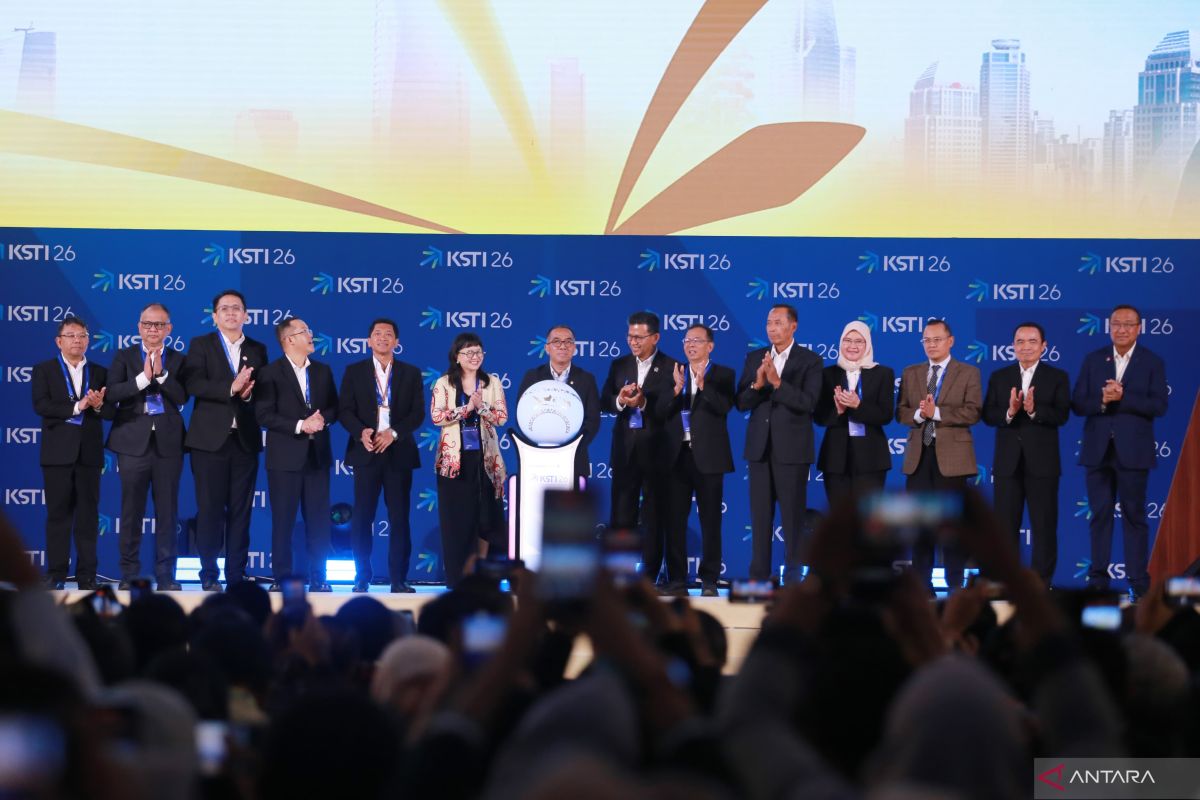
Surabaya (ANTARA) – The Ministry of Higher Education, Science and Technology (Kemdiktisaintek) is targeting 254 research commercialisation cooperation agreements between universities, the National Research and Innovation Agency (BRIN) and industry through the 2026 Indonesian Science, Technology and Industry Convention (KSTI).
“We hope these research results can be accelerated, whether in patent applications, intellectual property rights or downstream collaboration with industry,” Minister of Higher Education, Science and Technology Brian Yuliarto said at the opening of KSTI 2026 at the Sepuluh Nopember Institute of Technology (ITS) on Wednesday.
Yuliarto said the convention, which runs from 10 to 13 November 2026, provides a meeting point for universities, research institutions, the government and industry to speed up the use of research findings.
Research carried out by universities and research institutions, he said, must be able to address national challenges while supporting President Prabowo Subianto’s priority programmes.
A major challenge in commercialising research is bridging the gap between research findings and marketable products that industry genuinely needs.
Yuliarto cited several research and innovation projects being developed in collaboration with industry, including the Merah Putih Chip, which is intended to support independence in national identity technology.
The technology is expected to be used for identity cards (KTP), driving licences (SIM) and passports, giving Indonesia greater capacity to master chip technology.
Other innovations under development include tractors, waste-processing technology and unmanned aerial vehicles (drones).
He added that the government would also consider public input on research needs, including in food and agriculture.
That input will inform coordination on research priorities and funding with universities, BRIN and the Indonesia Endowment Fund for Education (LPDP).
ITS Rector Professor Bambang Pramujati said universities need funding support and consortium partnerships to develop complex technologies.
One project currently under development is the Merah Putih High-Speed Train, being pursued through a consortium involving several universities and industrial partners, including state-owned railway manufacturer PT Industri Kereta Api (INKA).
Indonesia cannot simply remain a user of high-speed rail technology from abroad, he said. Domestic research and engineering capabilities also need to be strengthened.
“In the future, we must not only adopt technology from overseas. As we implement technology so the public can use more advanced systems, we must also develop it ourselves at home,” he said.
The high-speed train project covers several areas, including design, construction, propulsion motors and signalling technology.
Bambang said that, in total, research and development funding managed by ITS from various sources could reach around Rp6 trillion.
Funding already allocated specifically to high-speed train development ranges from Rp5 billion to Rp20 billion.
Through KSTI 2026, ITS hopes more research findings will be developed with industry, so they do not remain prototypes but become technologies used by the public.
Source: jawawa.id (https://jawawa.id/newsitem/higher-education-ministry-targets-254-research-commercialisation-agreements-at-ksti-2026-1794380028)
Originally published by Antara (Indonesian) (https://www.antaranews.com/berita/5846063/kemdiktisaintek-targetkan-254-kontrak-hilirisasi-riset-lewat-ksti-2026), translated from Indonesian