
Higher Education Ministry Reviews Regulations for Adequate Accommodation of Lecturers with Disabilities
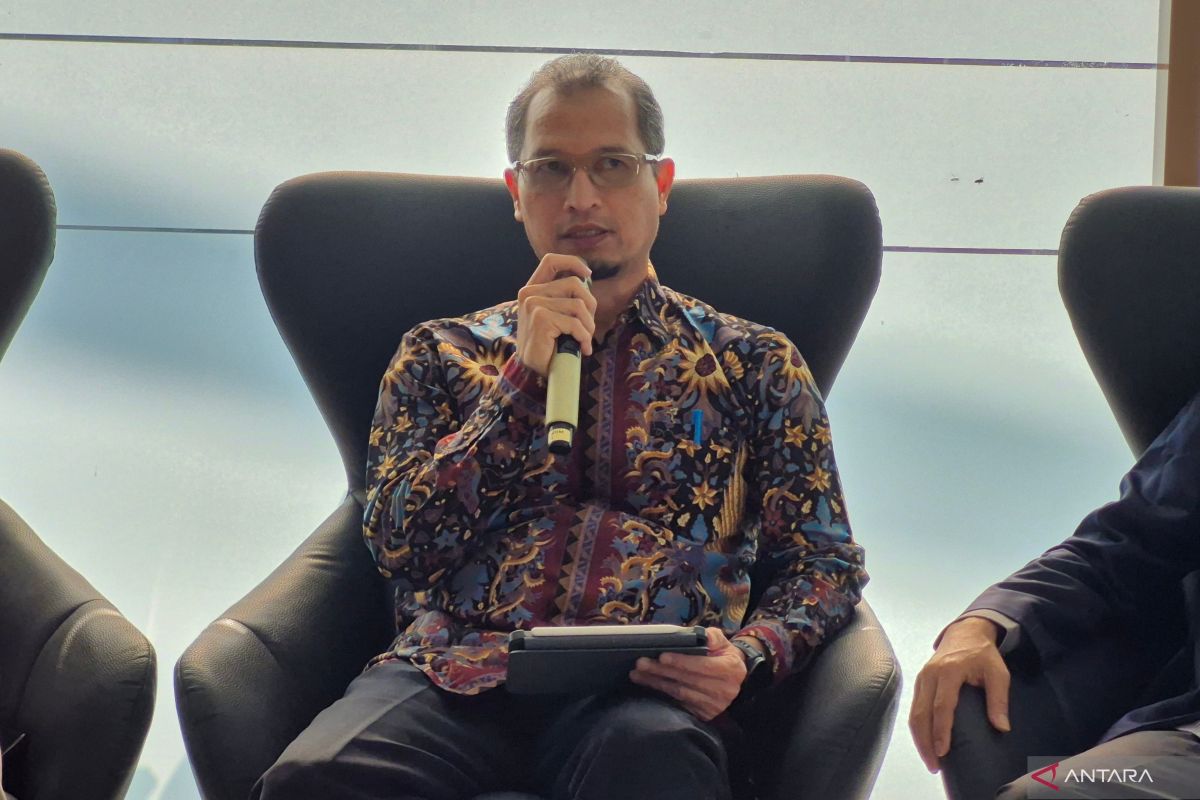
The Ministry of Higher Education, Science, and Technology (Kemdiktisaintek) is reviewing the expansion of regulations on adequate accommodation to protect not only students but also lecturers and educational staff with disabilities within the campus environment.
Director of Learning and Student Affairs at Kemdiktisaintek, Beny Bandanadjaja, explained during a media discussion in Jakarta on Thursday that this step is being taken through an in-depth evaluation of Minister of Education, Culture, Research, and Technology Regulation Number 48 of 2023.
He assessed that the existing regulation still focuses on the rights of students with special needs, whereas an inclusive campus ecosystem also includes lecturers and administrative staff who require guaranteed support facilities.
“This is also being reviewed because the ministerial regulation mentions students. Yet, in higher education institutions, there are lecturers, other academic community members, and staff who also need adequate accommodation,” he said.
To accelerate the realisation of this inclusive ecosystem, Kemdiktisaintek is encouraging all higher education institutions in Indonesia to gradually establish Disability Service Units (ULD). The government is also preparing special proposal-based funding stimuli to trigger campus independence.
“For the establishment of ULD, we provide assistance of Rp30 million, which is of course based on proposals or submissions,” he stated.
In addition to establishment, Beny explained that his party also provides strengthening stimuli for ULDs at campuses that already have such units, with a value of up to Rp40 million per campus.
Through this regulatory intervention and funding assistance, Beny hopes that all future Tridharma Perguruan Tinggi (Three Pillars of Higher Education) activities can be accessed independently by persons with disabilities, enabling them to develop without physical or social barriers.
“Essentially, we want to provide a kind of trigger or assistance to higher education institutions, and the hope is that they will independently form ULDs on their own,” concluded Beny Bandanadjaja.