
Higher Education Ministry Enlists BPOM to Accelerate Drug Product Development
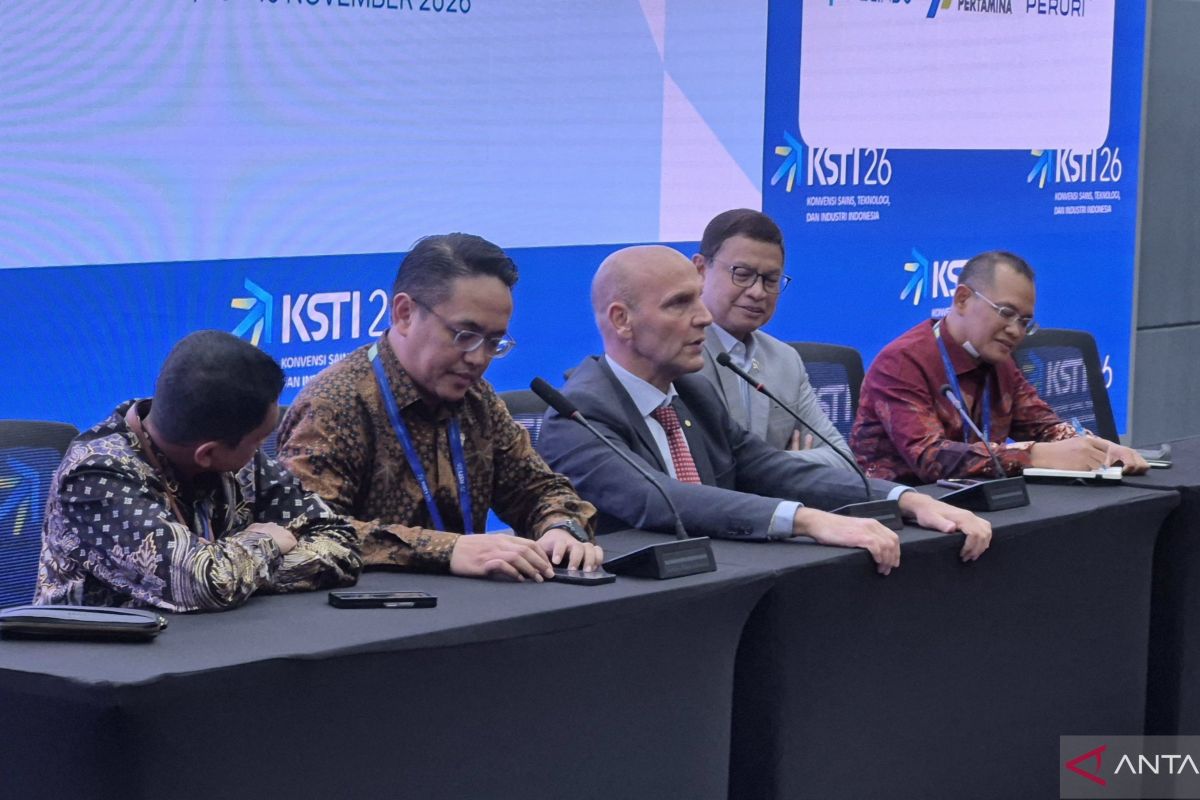
Surabaya (ANTARA) – The Ministry of Higher Education, Science and Technology (Kemdiktisaintek) is involving the National Agency of Drug and Food Control (BPOM) from the outset of research to accelerate the development and downstreaming of medicinal products in Indonesia.
“Drug development usually ends with the preclinical stage at BPOM. We researchers only come in at the end. Now we are changing that. BPOM will be involved from the beginning, from the start of the research,” Kemdiktisaintek Director General of Research and Development Fauzan Adziman said on Thursday during the 2026 Indonesian Science, Technology and Industry Convention (KSTI) at Sepuluh Nopember Institute of Technology (ITS) in Surabaya.
He said researchers had generally involved BPOM only when research was nearing its final stage, particularly ahead of testing and licensing.
Under the new approach, the regulator will work with researchers from the research stage through product development.
He said the two institutions had signed a collaboration agreement. Kemdiktisaintek has also opened a call for proposals for research funding next year, with BPOM involved in the research development process.
He said the change in collaboration was intended to deliver three outcomes: faster, better and cheaper.
“Medicines are facing a dilemma: the process needs to be faster, quality improved through innovation, and, ultimately, our medicines need to be more accessible and cheaper,” he said.
The endowment fund, he said, would be used through its investment returns, with an estimated 6.7 per cent available for use each year.
BPOM head Taruna Ikrar said the agency was ready to support drug-based research, covering both preclinical and clinical stages. Support would include expediting permits and providing research assistance.
“We will support all drug-based research, both preclinical and clinical trials. We will expedite permits and provide support; if necessary, we will offer assistance and help ensure the process moves quickly,” he said.
He said Indonesia had around 31,000 plant species with potential as sources of medicinal ingredients, but that this biological wealth was not yet being fully utilised.
Of that potential, about 22,000 products had received marketing authorisation as jamu, or traditional herbal medicine. Only around 76 natural-ingredient medicines and 21 phytopharmaceutical products had been developed.
At the same time, about 94 per cent of the country’s pharmaceutical raw materials still depended on imports. This creates an opportunity to develop medicinal ingredients based on Indonesia’s domestic biodiversity.
To support this effort, BPOM has prepared three strategies: supporting research and faster licensing, encouraging investment in drug development, and strengthening collaboration among academia, business and government (ABG).
Under this framework, universities will generate innovation through research, industry will support investment and product development, and the government will provide policy and regulatory support.
BPOM has established partnerships with 197 universities in Indonesia.
Source: jawawa.id (https://jawawa.id/newsitem/higher-education-ministry-enlists-bpom-to-accelerate-drug-product-development-1794477300)
Originally published by Antara (Indonesian) (https://www.antaranews.com/berita/5849231/kemdiktisaintek-libatkan-bpom-percepat-hilirisasi-produk-obat), translated from Indonesian