
Higher Education Key to Developing Indonesia's Halal Tourism, Says Lawmaker
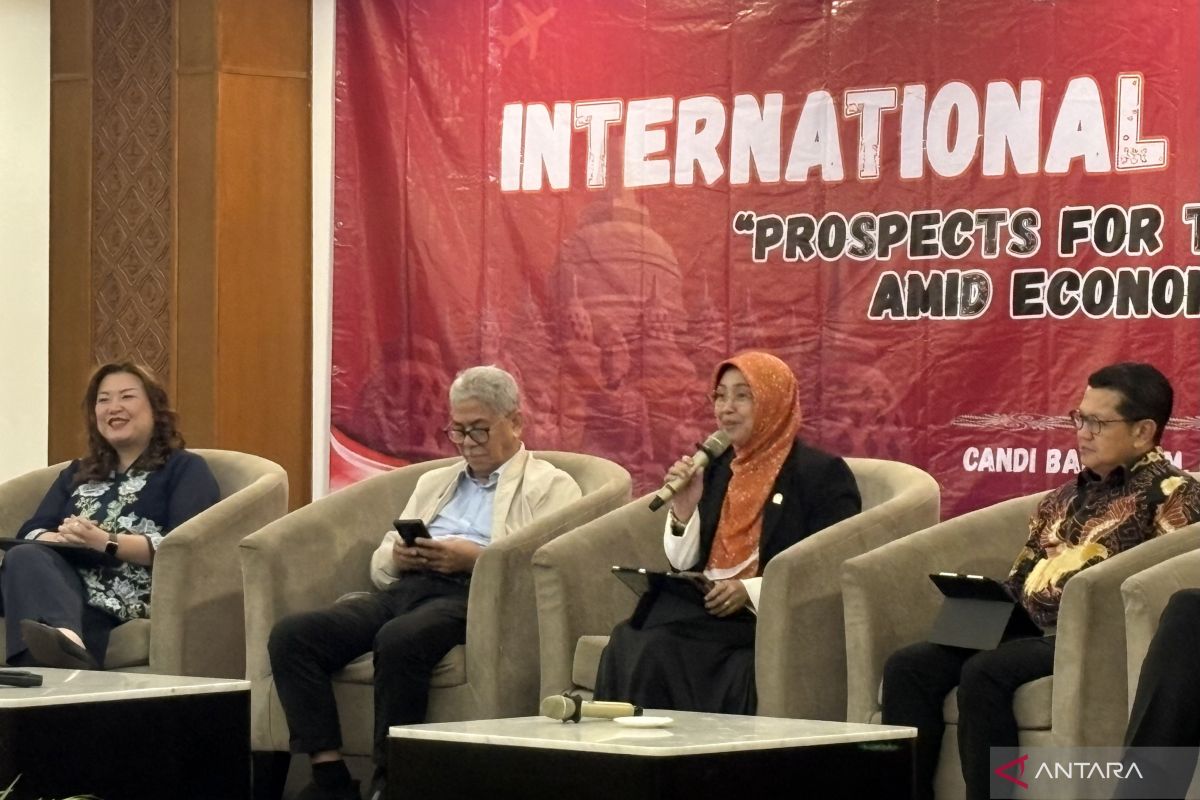
Jakarta (ANTARA) - Kurniasih Mufidayati, Deputy Chair of Commission X of the Indonesian House of Representatives (DPR RI), has said that universities are key to developing Indonesia’s halal tourism potential.
“To prepare superior human resources, collaboration with universities is essential. The same applies to producing innovation through research that will support the development of halal tourism in Indonesia,” Kurniasih said during a dialogue session in Jakarta on Friday.
According to data she holds, in 2024 the travel and tourism sector contributed approximately 5.1 per cent to Indonesia’s Gross Domestic Product (GDP). The industry also created around 12.9 million jobs and attracted some 17 million foreign tourist visits.
These achievements show that tourism remains one of the main drivers of the national economy, with continuously growing prospects. Amid this growth, halal tourism, or Muslim-friendly tourism, has emerged as one of the fastest-growing tourism segments in the world.
This considerable potential is seen as an opportunity that Indonesia, as the country with the world’s largest Muslim population, must seize. However, to compete globally, support from various parties is needed, including from higher education institutions.
She also highlighted that the ASEAN region remains the largest market for Muslim tourists.
According to her, Indonesia is estimated to be able to absorb around 34 to 38 per cent of that market’s potential. This shows that opportunities for developing national halal tourism remain wide open, even as the global economic situation continues to be marked by various uncertainties.
She therefore urged universities to participate in developing halal tourism in Indonesia by strengthening human resources, research, innovation and cross-sector collaboration. This role is important given the rapidly growing potential of the halal tourism industry, both nationally and globally.
According to her, universities’ main contribution begins with producing competent graduates ready to meet the needs of the halal tourism industry. Quality human resources are a key factor for Indonesia to increase its competitiveness and target a place among the world’s top five halal tourism destinations.
Another strategic role is realised through community service. Through mentoring programmes, training and community empowerment at tourism destinations, campuses can help build the capacity of businesses and local communities so they can meet halal tourism service standards.
In supporting the sector’s development, universities are also expected to become hubs of collaboration under a pentahelix synergy scheme, connecting government, the business world and communities across ASEAN, which remains the largest market for Muslim tourists.
With the support of superior human resources, research-based innovation and cross-sector synergy, Kurniasih expressed hope that universities can become the driving force in making Indonesia one of the best halal tourism destinations in the world.