
High Waves Force Closure of Access to Komodo and Padar Islands
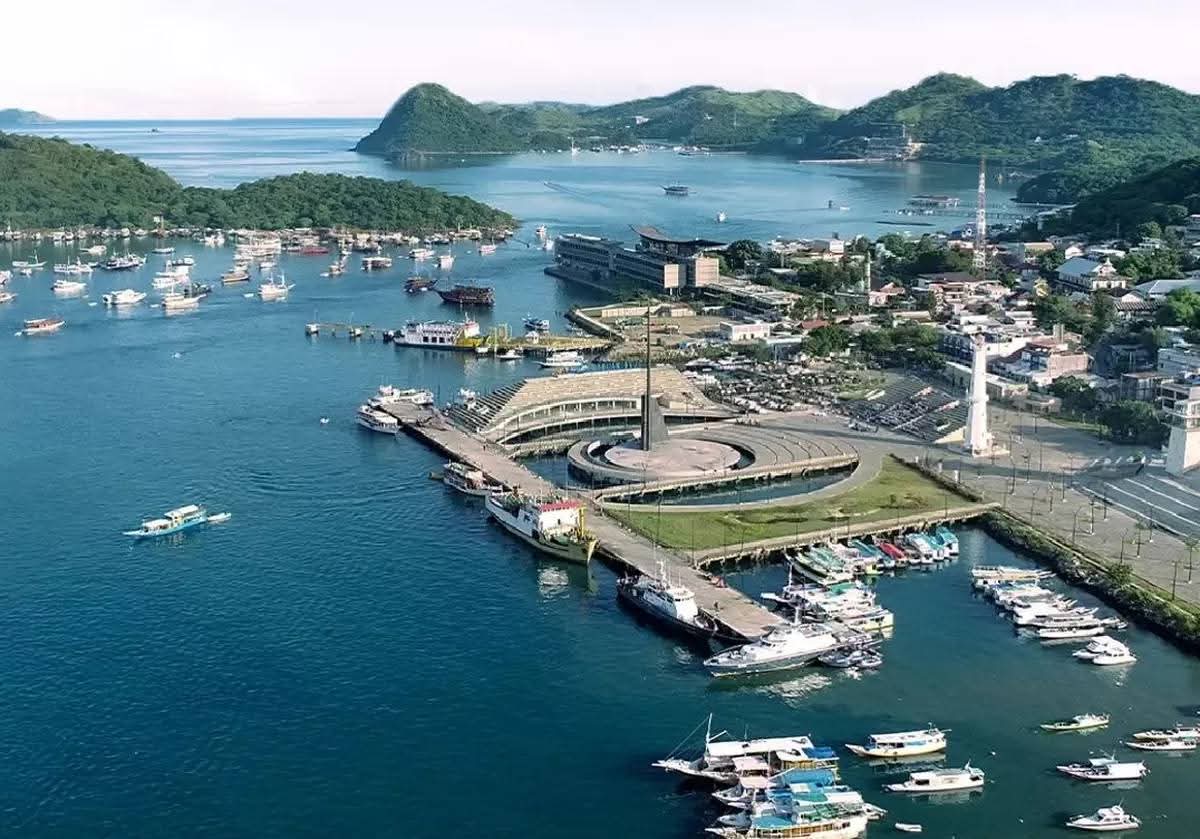
Maritime tourism activities in Labuan Bajo have been disrupted after the Class III Harbourmaster and Port Authority Office (KSOP) temporarily closed sailing access to Komodo Island and Padar Island from 6 to 8 August 2026. The decision follows severe weather forecasts that pose risks to shipping safety in the Komodo National Park (TNK) area, a premier destination that serves as the backbone of Labuan Bajo’s tourism sector.
The closure was announced through Notice to Mariners Number 01/MP-VIII/2026. According to forecasts from the Meteorology, Climatology, and Geophysics Agency (BMKG) at the Tenau Kupang Maritime Meteorology Station, wind speeds are expected to reach 24 knots from the southeast, with wave heights of up to 2.4 metres during this period. These conditions were deemed unsafe for tourist vessels that daily transport visitors to Komodo Island and Padar Island.
Under the notice, the issuance of Sailing Approval Letters (SPB) for tourist boats heading to Komodo Island and Padar Island has been suspended. KSOP will only issue SPBs for vessels travelling to Rinca Island, which, based on evaluation, remains on a relatively safe sailing route.
Head of KSOP Class III Labuan Bajo, Stefanus Rusdiyanto, stated that the decision was taken solely to protect the safety of tourists, crew members, and all shipping activities in Labuan Bajo waters. “Shipping safety is the top priority. Based on information from BMKG and the results of sea condition monitoring, we decided to temporarily close SPB services for Komodo Island and Padar Island until weather conditions are safe again,” he said on Wednesday (5/8).
He stressed that safety must not be compromised for the sake of tourism activities. All tourist boat operators are required to comply with the issued notice. “We ask all boat operators and skippers not to force voyages to the closed areas. Safety is non-negotiable. Services will resume once weather conditions are declared safe based on monitoring results,” he added.
Furthermore, KSOP instructed all skippers to ensure their vessels are seaworthy, continuously monitor weather forecast updates during voyages, share information if potential dangers at sea are identified, and immediately coordinate with the Harbourmaster or Basarnas if weather conditions deteriorate.
The temporary closure of access to Komodo Island and Padar Island is expected to have a direct impact on Labuan Bajo’s tourism activities. Both islands are the main icons of this super-priority destination and are almost always the primary draw for both domestic and international tourists. The panoramic views of Padar Island, the Komodo dragon habitat on Komodo Island, and snorkelling and diving activities in the surrounding waters dominate travel packages in Labuan Bajo.
With access to these two destinations closed, tour operators have been forced to cancel or reschedule trips. The impact is also felt by tour guides, hotels, transport providers, and small and medium enterprises that depend on tourist movement.
Labuan Bajo tourism industry player Fransiskus Hambut said the KSOP’s decision must be respected by all businesses because it concerns human safety. “We understand that the safety of tourists and boat crew must be the priority. This temporary closure does result in cancellations and rescheduling of trips, but the decision is the right one when weather conditions are unfavourable,” he said.
According to him, most operators have explained the weather situation to tourists and offered rescheduling or alternative destinations that are still safe to visit. “Tourists generally understand because weather is a natural factor that cannot be forced. The most important thing is good communication so that tourists still feel safe and comfortable while in Labuan Bajo,” he said.
Fransiskus hopes weather conditions will improve soon so that marine tourism activities can return to normal. On the other hand, he sees this event as momentum to accelerate the development of land-based tourism as a complement to marine tourism. “In the future, land-based tourism development must be further strengthened. When access to Komodo Island and Padar Island is closed due to weather, tourists still have many other destination options on mainland Flores. This is important so that the tourism economy continues to move even when the weather is unfriendly,” he said.
He added that coordination between KSOP, BMKG, the Komodo National Park Office, local government, and business players is a key factor in maintaining a balance between shipping safety and the sustainability of the tourism industry.
The closure of access to Komodo Island and Padar Island once again highlights Labuan Bajo’s high dependency on marine-based tourism. Most tourists visit to enjoy the beauty of the island clusters within the Komodo National Park area. When bad weather strikes and sailing is halted, tourism activities automatically decline because the main destinations cannot be accessed.
This situation reinforces the urgency of developing mainland tourism, which the government has been promoting. Destinations such as Goa Rangko, Cunca Wulang, Kampung Melo, Golo Mori, Cunca Rami Waterfall, Wae Lolos, and various tourist villages on mainland Flores can serve as alternatives for tourists when marine tourism activities are restricted.
Diversifying tourism products not only expands destination choices but also strengthens the economic resilience of local communities against extreme weather events, which are expected to become more frequent due to climate change. This way, the tourism sector’s economic turnover will not be entirely dependent on shipping activities to Komodo Island and Padar Island.