
High Volatility Expected to Continue Until the End of May
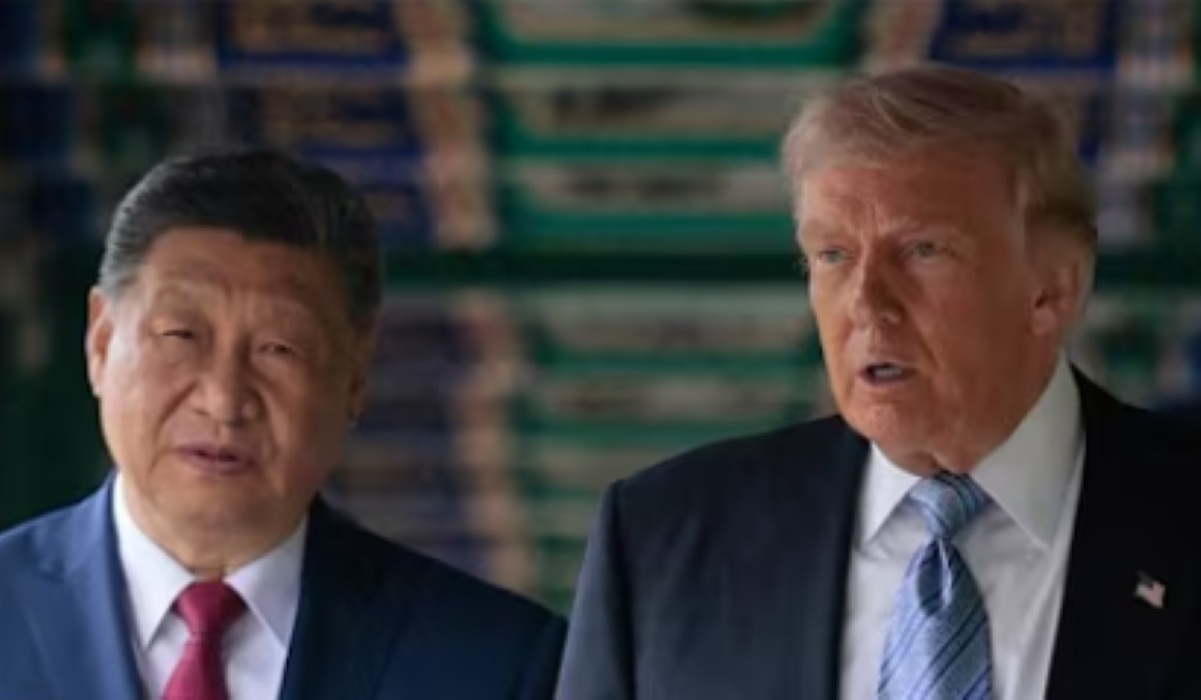
One year after a grand state visit to the Middle East, President Donald Trump embarked on another major diplomatic trip to China. However, this time the atmosphere was markedly different. Trump arrived in Beijing facing domestic pressures from soaring inflation, declining public approval ratings, and escalating military conflicts with Iran.
In contrast to his previous visit to Saudi Arabia, which featured grand declarations about America’s role in the world, this meeting in Beijing was more formal and subdued. President Xi Jinping welcomed Trump with respect but also maintained a firm stance, particularly regarding China’s strategic priorities.
Trump came with high hopes of securing a trade deal to boost the US economy. However, Xi Jinping shifted the focus to the issue of Taiwan.
The Chinese leader warned of potential clashes and conflicts if the dispute over the island is not properly managed. He placed the issue of sovereignty above economic investment.
The visit concluded with results that were considered disappointing by the market. Boeing shares fell by 8 percent during Trump’s visit to Beijing.
Although Trump expressed his delight that US business executives could meet directly with Xi, there was little concrete evidence of major deals being struck. Some key takeaways from the meeting included:
Trump’s stance on Taiwan signaled a shift from traditional US doctrine. He hinted at a lack of interest in following precedents from the 1980s (the Ronald Reagan era). “A war 9,500 miles away is the last thing we need right now,” he said.
Analysts in China saw this as part of Trump’s vision to transform the United States from a unipolar hegemon into an ordinary nation with a smaller shadow on the global stage. “He wants to fundamentally change US relations with the rest of the world, and he is willing to pay the price,” said Da Wei, director of the Center for Security and Strategic Studies at Tsinghua University.
Although the meeting kept the door open for dialogue to stabilize relations in the coming months, deep structural tensions remain. China now appears more proactive and in control of shaping bilateral relations, realizing that the US’s previous policy of economic pressure (tariffs) has not always yielded results.
With Trump’s focus now divided by the crisis in Iran and a volatile domestic economy, there is limited room to completely overhaul relations with China. Instead, Beijing appears to be playing with a longer time horizon, looking beyond Trump’s term in office until 2028 and beyond. (The Washington Post/I-2)