
High-Tech MRI Helps Detect Stroke and Cancer More Precisely
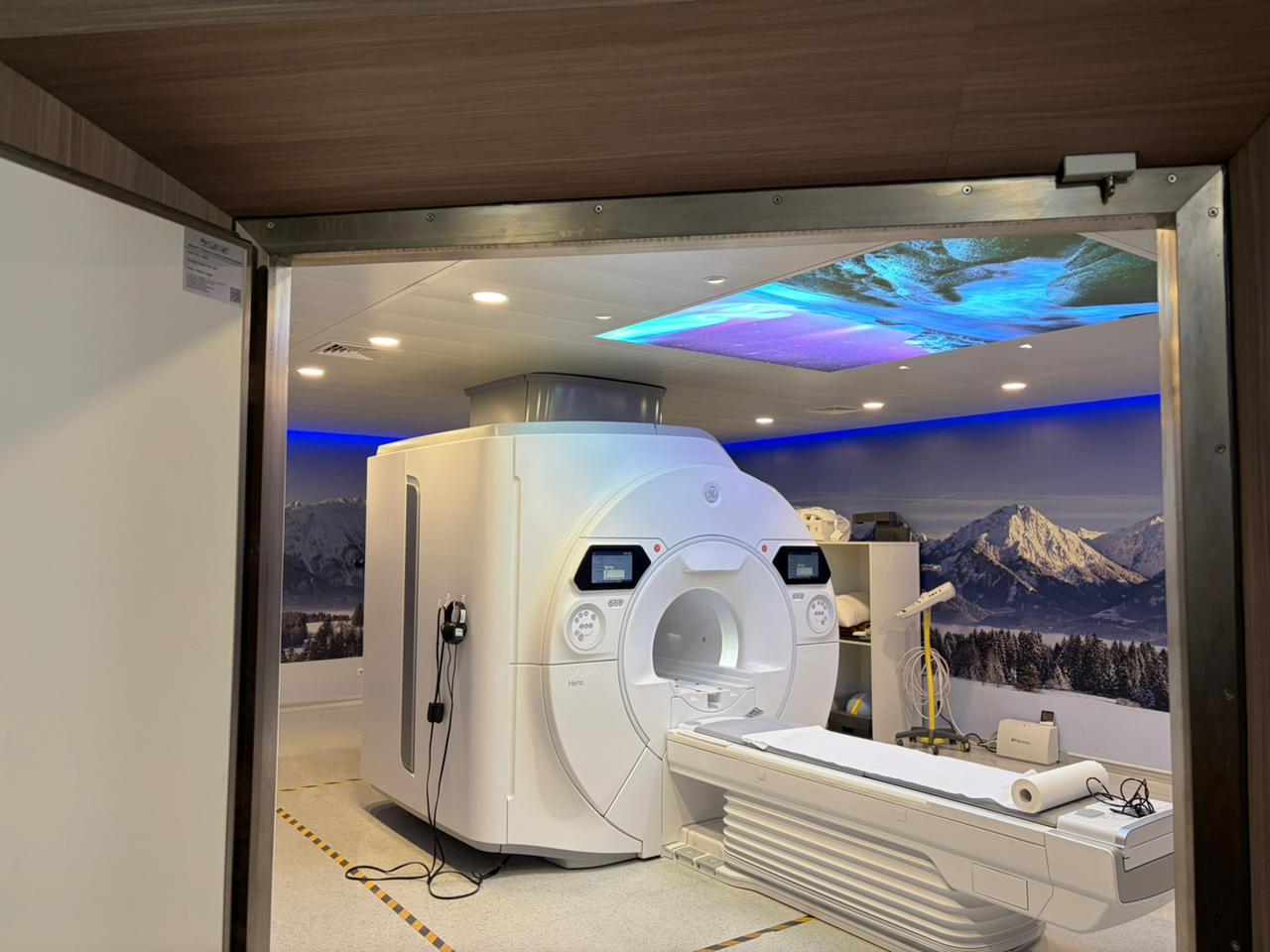
Medical imaging technology now plays an increasingly important role in diagnosing a range of serious diseases, from stroke, brain tumours, neurological disorders, cancer to heart disease. Amid rising cases of non-communicable diseases and the need for earlier, more accurate detection, hospitals are augmenting radiology services with the latest generation of AI-based magnetic resonance imaging (MRI).
Dr Thio Ananda Steven, a Radiology Specialist at Bethsaida Hospital, said MRI is one of the crucial tools in modern medicine because it can produce highly detailed images of organs and tissues without invasive procedures.
“MRI technology helps doctors view the structure of organs and tissues in great detail, supporting more accurate diagnoses and faster treatment,” he said.
According to him, MRI use is now broader not only for nervous system and brain but also for heart disease, orthopaedics, cancer, and vascular disorders. In stroke cases, for instance, MRI helps doctors detect disruptions in cerebral blood flow more quickly so treatment can be administered promptly. Meanwhile, in tumours and cancer, the high-quality imaging helps doctors determine the location, size, and characteristics of abnormal tissue more precisely.
MRI is also increasingly important in diagnosing heart disease as it can evaluate the structure and function of the heart more comprehensively than certain conventional tests. In orthopaedics, this technology is widely used to examine joint injuries, the spine, ligaments, and soft tissues that are difficult to visualise with standard scans.
As technology advances, MRI systems now prioritise not only image quality but also scan-time efficiency and patient comfort. Bethsaida Hospital, for example, has introduced a 3 Tesla SIGNA Hero AI-based MRI to improve imaging quality while speeding up the scanning process.
GE HealthCare Indonesia CEO Kriswanto Trimoeljo said the integration of AI in modern MRI helps produce sharper images with shorter examination times. “This system can help significantly improve image quality while shortening examination time,” he said.
MRI AI technology is also considered important for examining moving organs such as the heart, ensuring the imaging results are more stable and detailed. In addition to improving diagnostic accuracy, the latest MRI innovations are designed to improve patient comfort during scans.
One common challenge of MRI procedures is anxiety or claustrophobia due to the narrow bore and relatively long examination times. Therefore, the latest generation of MRI now uses a wider bore design and faster scanning systems to make patients more comfortable.
Director of Bethsaida Hospital Gading Serpong, Dr Margareth Aryani Santoso, said strengthening diagnostic technology is a key part of improving the quality of modern health services. She noted that diagnostic accuracy strongly determines treatment success, especially for critical illnesses requiring rapid action.
Public awareness of the importance of health continues to evolve. In the face of growing demand for fast and accurate health services, the lack of high-standard diagnostic facilities in eastern Indonesia remains a challenge.
A 1.5 Tesla MRI facility offers high-resolution imaging without exposure to ionising radiation.
Based on 2023 data, West Kalimantan has only two MRI systems for a population of five million.
MRI has long been the gold standard in modern medicine.