
High Salt Consumption Causes Serious Health Problems
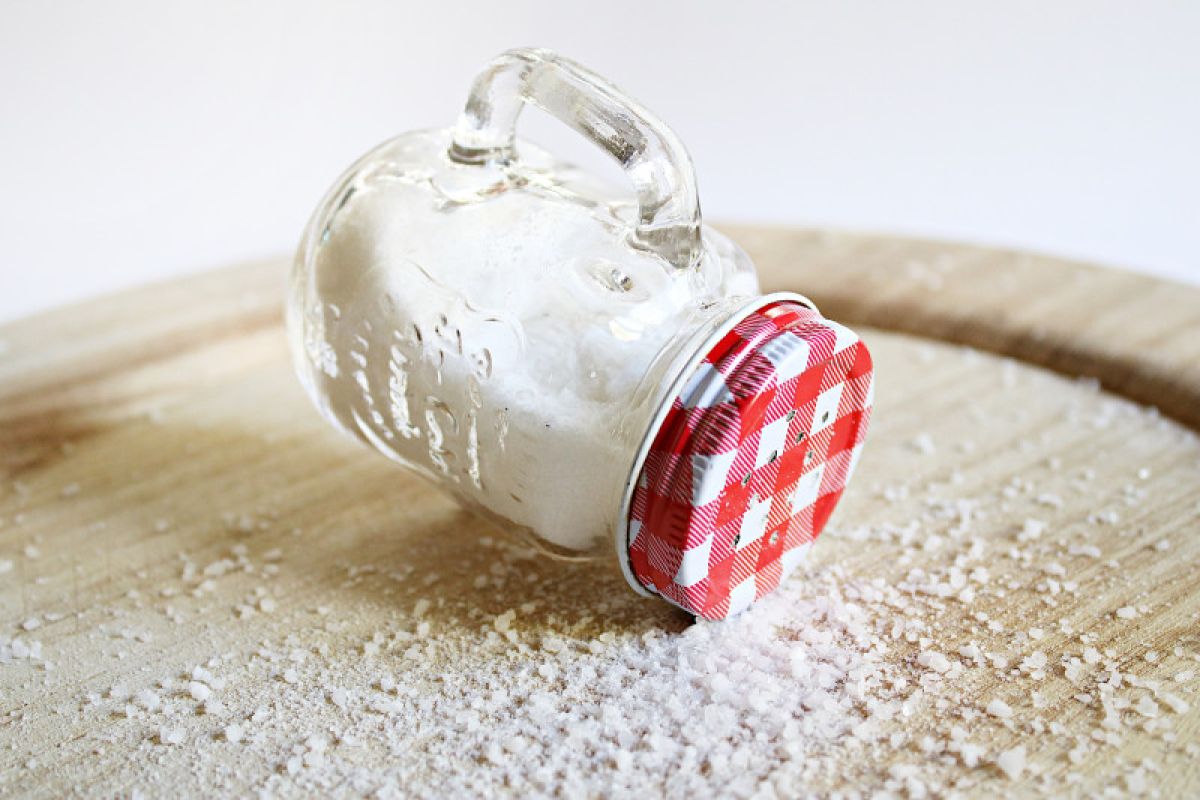
Jakarta — Salt, or sodium, is one of the essential seasonings in cooking. Beyond imparting a savoury flavour, it maintains the balance of bodily fluids, regulates blood pressure and ensures nerves and muscles function properly.
According to Eating Well, whilst sodium plays a beneficial role for the body, consuming it in high quantities can cause serious health problems.
“Excessive sodium can cause the body to retain too much water. This additional fluid can increase the amount of blood flowing through your blood vessels, which for many people contributes to high blood pressure over time. The kidneys work to maintain the balance of sodium and fluid, and when intake is consistently high, maintaining that balance becomes more difficult,” explains diet expert Drew Hemler, M.Sc., RD, CDN.
This occurs because sodium causes fluid retention, which increases blood pressure. High blood pressure forces the heart to work harder to pump blood, placing extra strain on the heart muscle.
Long-term high blood pressure can also have serious consequences on the heart’s blood vessels, causing changes to the heart’s structure and damaging blood vessels, whilst increasing the risk of heart attack, stroke and heart failure.
High salt intake also directly damages the lining of blood vessels, making them stiff and inflamed whilst reducing their ability to relax and disrupting blood flow. It can also disturb the gut microbiome, lowering beneficial compounds such as short-chain fatty acids, which support heart health.
Hemler recommends gradually modifying one’s diet by slowly reducing salt intake over time. She also suggests reconsidering the consumption of packaged foods and choosing home-cooked or homemade meals instead.