
High Fatality Rates: Spotlight on Oversight of Buses and Goods Trucks
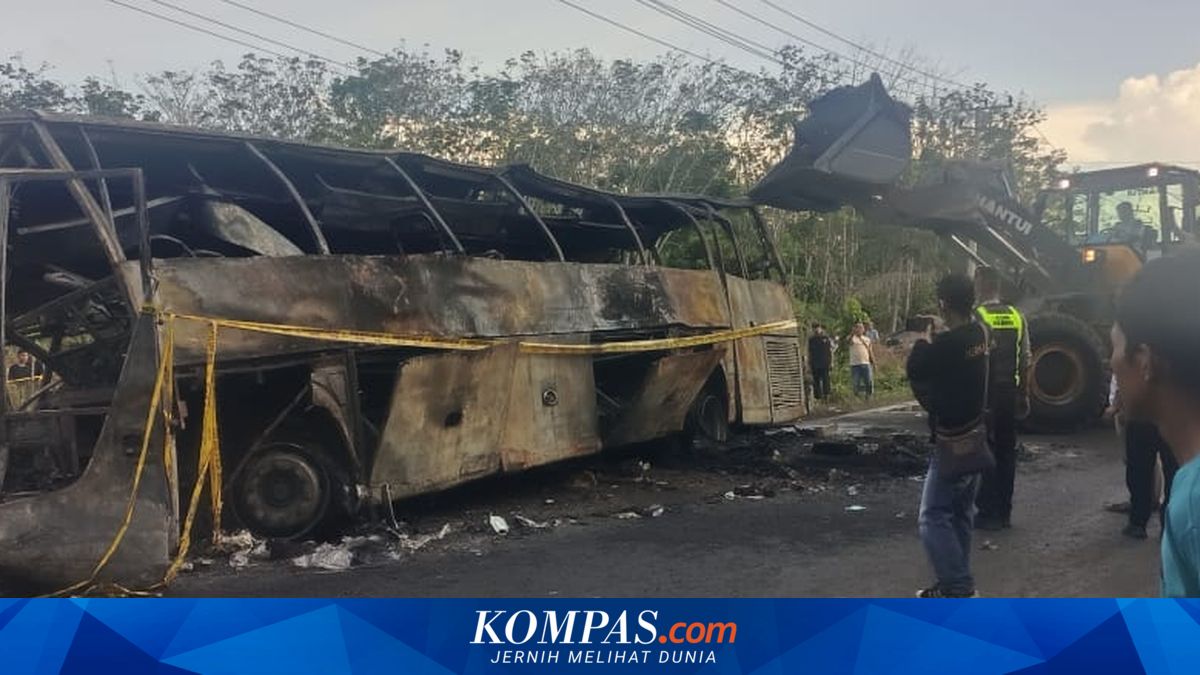
JAKARTA, KOMPAS.com - Traffic accidents involving buses and goods trucks have come under scrutiny again following a fatal incident on the Trans-Sumatra Route (Jalinsum) in North Musi Rawas Regency, South Sumatra, on Wednesday (6/5/2026). The tragedy between the Antar Lintas Sumatera (ALS) bus and a fuel tanker truck resulted in 18 deaths and has renewed demands for tighter oversight of public transport and logistics vehicles. According to him, weak supervision of bus and goods truck operations is one of the factors causing fatal accidents to recur repeatedly. Based on data from the National Traffic Police Corps (Korlantas Polri), the fatality rate of traffic accidents in Indonesia remains high. Throughout 2025, around 22,000 people died in traffic accidents, or an average of more than 60 fatalities per day. The majority of victims are from the productive age group and dominated by motorcyclists. “Improvement efforts must start with in-depth investigations by the National Transportation Safety Committee (KNKT) to dissect the causes of accidents multidimensionally, from human factors, vehicles, management, to infrastructure,” said Djoko to Kompas.com on Sunday (10/5/2026). He explained that public transport and goods vehicles carry high risks if operational oversight is not carried out consistently. One aspect under scrutiny is the potential for driver fatigue due to excessive working hours, especially for intercity bus drivers and long-haul logistics truck drivers. According to Djoko, supervision of drivers’ working hours is already regulated in the Company Safety Management System for Public Transport (SMK-PAU). Under these regulations, drivers are limited to a maximum of eight hours per day to reduce the risk of fatigue while driving. Buses and goods trucks are required to undergo vehicle inspections before operation or pre-trip inspections. However, in practice, the implementation of these inspections is considered not yet optimal, particularly for small-scale operators. “SMK-PAU should not just be an administrative formality. This system must be truly implemented to maintain operational safety,” said Djoko. He also assessed that the government needs to strengthen oversight of public transport and logistics companies, including ensuring compliance with vehicle roadworthiness tests, load supervision, and the application of vehicle monitoring technology. Djoko added that advanced countries have implemented strict oversight of passenger and goods transport vehicles. One of them is through the use of digital tachographs to monitor drivers’ working hours in real time, so that the potential for fatigue can be detected earlier. On the other hand, technology-based law enforcement such as Electronic Traffic Law Enforcement (ETLE) is also considered important to increase discipline on the roads. With more consistent oversight, it is hoped that the number of accidents involving buses and goods trucks can be reduced.