
High Cost of Living in Europe Threatens Citizens with Homelessness and Drives Away Foreign Workers
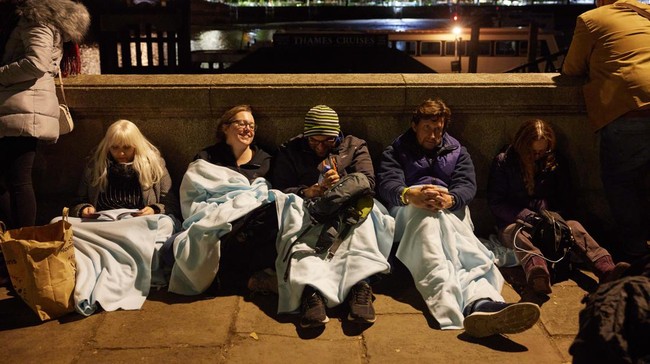
The relentless surge in the cost of living across the European region has reportedly undermined the fulfilment of citizens’ basic rights. Soaring property prices and residential rental rates are now forcing a growing number of people to lose their homes, triggering an alarming spike in homelessness. According to the Vienna-based EU Agency for Fundamental Rights (FRA), house prices across the European Union have jumped sharply by 53% over the past decade. During the same period, monthly rents also recorded a steady increase of nearly 17%. This situation has made the right to decent housing an increasingly unaffordable luxury. “The rising cost of living is affecting many individuals and families, as more and more people are unable to pay for their accommodation and risk becoming homeless,” stressed FRA Director Sirpa Rautio during the release of the agency’s annual report. Rautio added that younger age groups and vulnerable communities are the hardest hit by this economic crisis. They face extraordinary difficulties in simply accessing the basic right to adequate housing. Ironically, most of these vulnerable groups are also reported to have absolutely no strong legal protection against the threat of unilateral eviction. The European Federation of National Organisations Working with the Homeless (Feantsa) estimates the number of people without permanent accommodation in the EU swelled to nearly 1.3 million last year. This figure serves as a strong indication that a social crisis is developing into a ticking time bomb within European society. Beyond economic issues, the FRA noted that the EU is increasingly being tested in maintaining rules-based governance and fundamental rights. Intense geopolitical instability and global security threats triggered by protracted wars beyond the bloc’s external borders are also seeping in and damaging the domestic social fabric. “The unpredictable international environment and ongoing wars are having a direct impact here, in our own home—particularly on people’s sense of security and well-being,” Rautio explained, elaborating on the domino effect of global conflict on the psychology of European residents. This social stress is also indicated by the massive spread of hateful content and hoaxes online. Based on the FRA’s findings, more than one in three people in the EU reported having encountered online content they deemed highly dangerous to social harmony. Digital law enforcement to regulate the internet also faces major challenges, including holding giant technology platforms accountable. The comprehensive report, which covers the 27 EU member states plus Albania, North Macedonia, and Serbia, also highlights serious employment issues. Workers from third countries or outside the EU are reportedly continuing to experience systematic discrimination and severe labour exploitation. Many of these migrant workers are forced to work below their original academic qualification levels, even though the EU is currently facing a massive labour shortage crisis across various critical industrial sectors. This irony is deemed to occur because local labour market regulations are still unable to integrate the potential of foreign workers in a fair and logical manner.