
Hidden Homelessness Crisis in Australia Exposed by Death of International Student
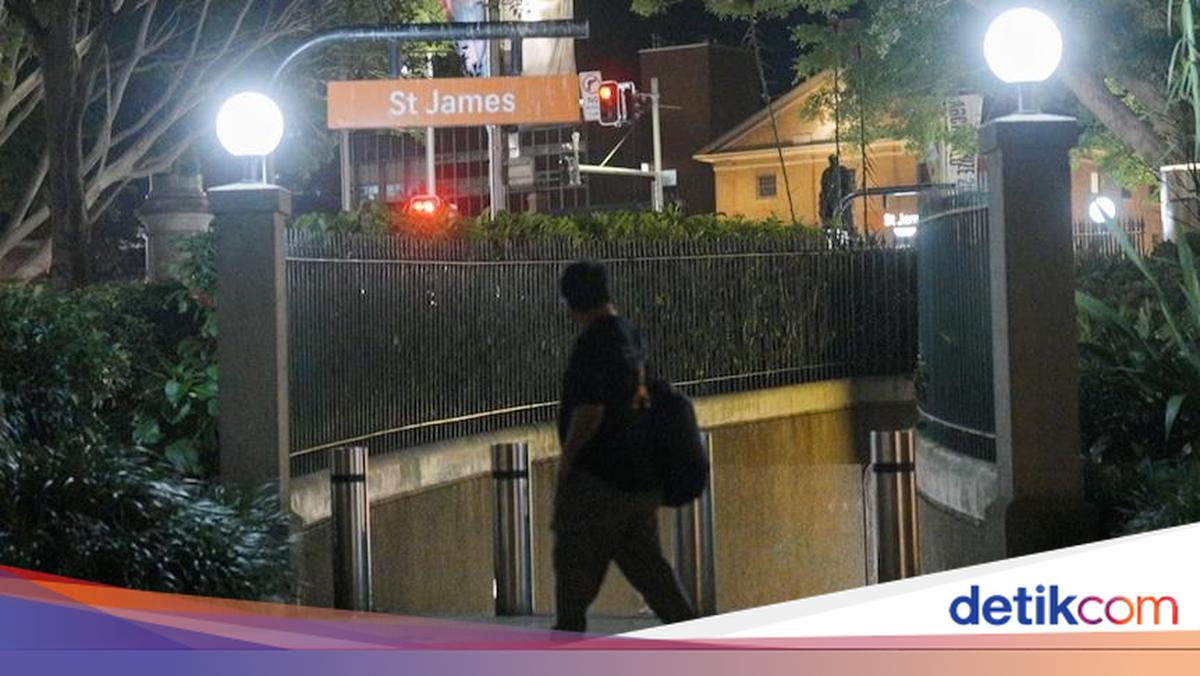
A man died unnoticed in central Sydney, his body lying for six days before being discovered, highlighting a hidden homelessness crisis in Australia. As winter sets in, humanitarian organisations warn that such deaths will become more frequent among those living on the streets, including mothers fleeing forced marriage and international students too ashamed to admit failure.
Among them was Bikram Lama, a former international student from Nepal, whose death outside St James Station exposed the plight of non-citizen rough sleepers. Many are not permanent residents, trapped in Australia unable to return home or waiting indefinitely for visa outcomes while hoping to be allowed to stay.
Another Nepali national, Shree, told the ABC’s 7.30 programme she was tricked and coerced into coming to Australia for an arranged marriage at age 23. After arriving, she endured physical and emotional abuse, isolation, and threats of deportation. Her husband cancelled her bridging visa, leaving her homeless and without access to Medicare, Centrelink, or the right to work.
Shree found temporary refuge through the Women’s & Girls’ Emergency Centre (WAGEC), where nearly half of the 200 women sheltered each night are non-permanent residents. CEO Nicole Yade explained that many women are brought to Australia by partners who later perpetrate domestic violence and then withdraw visa sponsorship, rendering the women ineligible for social support and often unable to return home with their children.
Shree is now applying for a partner visa under family violence provisions, a process that can take over 17 months. During this wait, women often have no work rights, no access to childcare subsidies, and cannot even volunteer, leaving them destitute. Shree said that without shelter, she would have been forced to sleep on the streets.
Bikram Lama’s family had sold part of their farmland in a remote Nepali village to fund his education in Australia, hoping it would create opportunities. But as the cost of living soared, he struggled to survive and lost contact with his family.