
Heroes Waiting to Be Written About
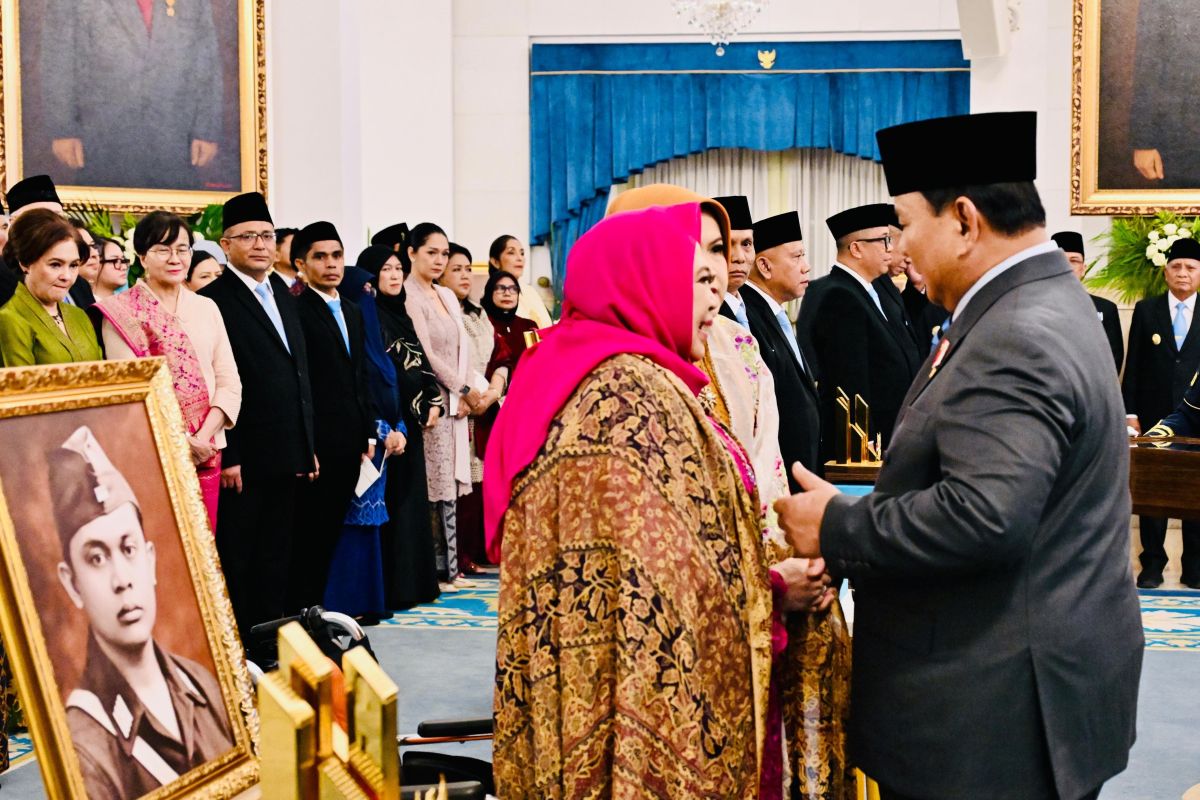
Nineteen figures this year have shown that the work of writing, however long it takes, eventually reaches its destination.
Cianjur, West Java, is home to the grave of a sultan from East Kalimantan. It lies beside the tomb of Prince Hidayatullah, a Banjar nobleman who was also exiled by the Dutch to the town.
Sultan Ibrahim Chaliluddin, the last ruler of the Paser Sultanate, spent 12 years in exile there before dying on 19 October 1930, far from the people he had defended against the burden of taxes and forced labour.
For almost a century, his story lived mainly in Paser and among his descendants in Cianjur. On Tuesday (10 November), his name was read out at the State Palace alongside those of 18 other figures awarded the title of National Hero by President Prabowo Subianto.
Ahead of the ceremony, State Secretary Prasetyo Hadi urged the public to honour all heroes, including those who fought but whose names are unknown to the public. The appeal raises a practical question: how does a fighter become known? This year’s list offers an answer. A person becomes known because someone researches their life, gathers their archives and writes about them.
The title of National Hero does not simply come from Jakarta. Nominations begin at regency or municipal level through local research and honours assessment teams, move up to the provincial level, undergo central review and are then considered by the Council for Titles, Decorations and Honours before reaching the President’s desk.
This year, that process produced 19 names from 12 provinces, almost twice the 10 figures recognised in 2025. Culture Minister Fadli Zon, who chairs the council, said the number was among the highest on record.
Behind the figure is work that rarely attracts attention. In Sultan Ibrahim’s case, the Paser Regency Government held a seminar in November 2024, followed by a national seminar in Balikpapan a year later.
Historians have argued that the sultan’s resistance was recorded in documents of the Dutch East Indies government, including a chronicle by Johan Eisenberger published in 1936. His heirs in Cianjur preserved original colonial-era archives. Records kept by his opponents and documents preserved by his family helped turn an oral story into evidence that could be examined.
The same persistence can be seen in Jember. The family of Lieutenant Colonel Moch. Sroedji says efforts to nominate him began in 1972, and his granddaughter, Irma Devita, continued to shepherd the dossier after the state awarded him the Bintang Mahaputera Utama in 2016.
South Sulawesi has been proposing General M. Jusuf since 2018. Kodam V/Brawijaya held a research seminar on Major General Soengkono. In Maluku, residents of Rohomoni village on Haruku Island went to the provincial legislature in 2021 to put forward the name of A.M. Sangadji.
Their journeys share a common thread. The figures who eventually reach the Palace are those who have someone to write about them, whether a local historian, a family that safeguards documents or a local government willing to fund research.
Source: jawawa.id (https://jawawa.id/newsitem/heroes-waiting-to-be-written-about-1794358272)
Originally published by Antara (Indonesian) (https://www.antaranews.com/berita/5845543/pahlawan-yang-menunggu-dituliskan), translated from Indonesian