
Heroes and the Test of Power
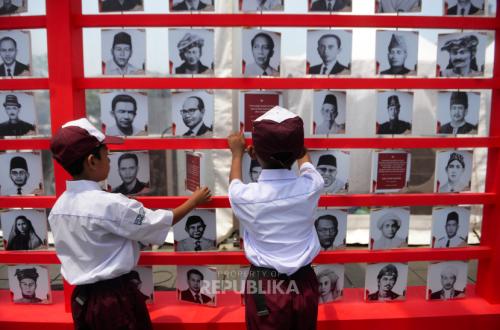
Every 10 November, Surabaya remembers the people who risked their lives for a newly established republic. During the fighting in November 1945, some took up arms, while others cared for the wounded and provided food. We know some of their names. The rest survive only in the memories of their families or neighbourhoods. The republic owes a debt to those who took part in the struggle, even though they never knew whether their service would ever be recorded.
The theme of Heroes’ Day 2026 is “My Hero, My Example: Moving Forward Together, Continuing the Struggle”. It invites us to bring that spirit into the life of the nation. Earlier generations were tested by their willingness to defend independence. The present generation is tested by how it uses the authority made possible by that independence. What do we do when the interests of citizens clash with those of people who can extend our time in office?
Ahead of this year’s commemoration, the government is once again discussing proposals to confer the title of National Hero. The debate invites us to consider a person’s contribution over a long period. The value of a decision may become apparent only after its maker has left office. Such a legacy requires a willingness to build something that others will later maintain and develop. Ultimately, a person must learn to let go of the desire to have every achievement associated with them.
From Resistance to Responsibility
Verses 39–41 of Surah Al-Hajj offer a basis for reflecting on this question. Verse 39 permits those who are being fought to resist because they have been wronged. Verse 40 refers to their expulsion from their homes and warns that monasteries, churches, synagogues and mosques may be destroyed if oppression is allowed to continue. Verse 41 then describes the responsibilities of those given authority on earth: establishing prayer, paying zakat, enjoining what is right and forbidding what is wrong.
This sequence of verses invites us to consider what happens after a struggle succeeds. Those who have experienced injustice gain an opportunity to prevent it when they hold authority. That opportunity brings obligations. They must be willing to examine whether their decisions protect citizens, including those with different beliefs or political choices. They must also accept correction when the authority entrusted to them begins to be used to protect their own position.
On sincerity, verses 8–9 of Surah Al-Insan describe people who give food to the poor, orphans and prisoners. They say: “We feed you only for the sake of Allah. We desire neither reward nor thanks from you.” The presence of a prisoner in these verses is worth considering. The prisoner is in a deeply constrained position. Their needs are still attended to, even though they have nothing to offer in return.
Imagine applying this principle to public assistance and services. Citizens are entitled to help according to their needs, without having to demonstrate loyalty to those in power. A leader may receive recognition for their work. But sincerity is truly tested when they must serve someone who cannot offer praise, votes or support. It is in such circumstances that the interests of citizens and the desire to stay in office become clearly distinguishable.
When Assistance Becomes a Test
The day before Heroes’ Day, ANTARA reported that Indonesia’s Corruption Eradication Commission (KPK) had summoned nine private-sector parties as part of an investigation into alleged corruption involving disaster-response funds at the National Disaster Management Agency (BNPB). The case remains subject to legal proceedings, but for citizens the news is a reminder of the grave responsibility attached to emergency budgets. Behind procurement documents are people waiting for clean water, medicine or shelter.
Service in an emergency requires quick decisions as well as accountability. Those who approve purchases must be able to explain the basis for prices, the choice of suppliers and evidence that goods reached the public. Officials who discover discrepancies in the quantities of goods must have the opportunity to report them, even when their findings make their superiors uncomfortable. If they choose to speak despite the risk to their careers, their courage helps protect the rights of people they may never meet.
Social psychology helps explain why such courage can be difficult. In workplaces where promotion depends on a superior’s approval, employees learn to read signals about which matters may be questioned and which must be left alone. When several people notice something irregular and each chooses to stay silent, they may mistakenly assume that their colleagues approve of the decision. Collective silence creates the impression that everything is normal. A leader with the spirit of a hero can break this pattern by asking for explanations, making records available for inspection and protecting those who raise concerns in good faith.
The same test applies to citizens. It is easy to demand transparency when alleged abuses of authority involve political opponents. Our commitment is truly revealed when the same questions must be asked of people we support. Demanding evidence and respecting due process are part of that responsibility. Loyalty to the nation is also shown by applying the same standard of justice to those close to us and those on the other side.
On this Heroes’ Day, we can begin by asking ourselves one question: if the decision most beneficial to citizens reduced our chances of remaining in power, would we still make it? The answer may be evident when a leader opens their own decisions to scrutiny, or hands over office when their mandate ends and helps their successor continue public services. Like the many people who helped defend Surabaya, they may never be remembered by name. Citizens will still feel the effects of their choices.
Source: jawawa.id (https://jawawa.id/newsitem/heroes-and-the-test-of-power-1794311474)
Originally published by Republika (https://opini.republika.co.id/berita/toa6pa393/pahlawan-dan-ujian-kekuasaan), translated from Indonesian