
Henkel supports the needs of Indonesia’s medical device industry
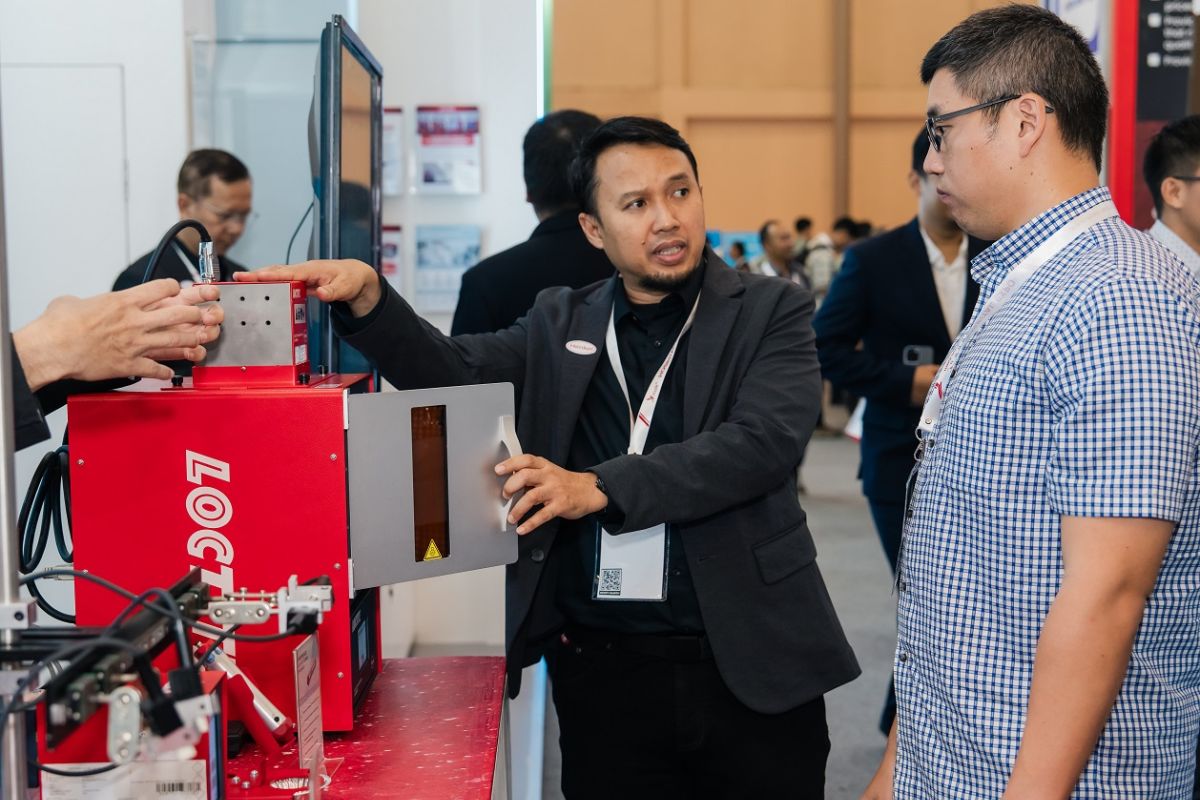
Jakarta (ANTARA) – Global company Henkel, through its Loctite brand, has pledged to provide a range of assembly technologies to support Indonesia’s medical-device manufacturing industry.
Jimmy Purnama, Henkel Indonesia’s Country Business Head for its General Manufacturing and Maintenance division, said growth in Indonesia’s medical-device industry was driving demand for more efficient manufacturing processes that also meet safety and biocompatibility standards.
“In these processes, assembly precision and material reliability are important factors in maintaining production quality and consistency,” he said in a statement in Jakarta on Thursday.
He cited Ministry of Health data showing that the medical-device industry grew by about 12 per cent in 2026 compared with the previous year.
This growth has also strengthened domestic medical-device production and distribution, he added, while increasing the need for manufacturing processes that meet quality and safety standards.
As the industry develops, Jimmy said, the company is offering assembly solutions that prioritise compliance with the ISO 10993 biocompatibility standard, operational efficiency and sustainability principles.
He said Loctite technology could be used in a range of medical-device assembly applications, from single-use products such as needles, catheters and fluid bags to reusable equipment such as endoscopes and surgical instruments.
Applications also include patient-care equipment such as CPAP machines, ventilators and infusion pumps, as well as hospital equipment including wheelchairs and beds, and medical imaging devices such as X-ray, MRI and PET scanners, and ultrasound machines.
On sustainability, Jimmy said manufacturing efficiency was not only about production speed, but also about reducing waste and applying circularity principles.
“By minimising waste, reducing rework and extending the service life of medical devices, we can also help lower energy consumption and improve the overall efficiency of production processes,” he said.
As demands for precision in medical devices increase, the strength of bonds that can withstand different sterilisation methods is also becoming a key factor.
These methods include e-beam, autoclaving, ethylene oxide (ETO) and hydrogen peroxide. Assembly technologies therefore need to be considered from the early stages of medical-device design to ensure product reliability throughout its useful life.
Jimmy added that Henkel would participate in Indonesia International Hospital Expo 2026, taking place from 7 to 10 October 2026 at ICE BSD City in Tangerang, Banten.
“Our participation in this exhibition is part of our efforts to strengthen the medical-device industry ecosystem through global-standard technologies that support safe, precise and efficient production,” he said.
The effort, he added, aligns with the company’s commitment to promoting sustainable impact through lower-emission operations, resource efficiency and the application of circularity principles through technological innovation.
Source: jawawa.id (https://jawawa.id/newsitem/henkel-supports-the-needs-of-indonesias-medical-device-industry-1791464004)
Originally published by Antara (Indonesian) (https://www.antaranews.com/berita/5777377/henkel-dukung-kebutuhan-industri-alat-medis-nasional), translated from Indonesian