
Helium Crisis Looms, Technology and Medical Industries Begin to Be Disrupted
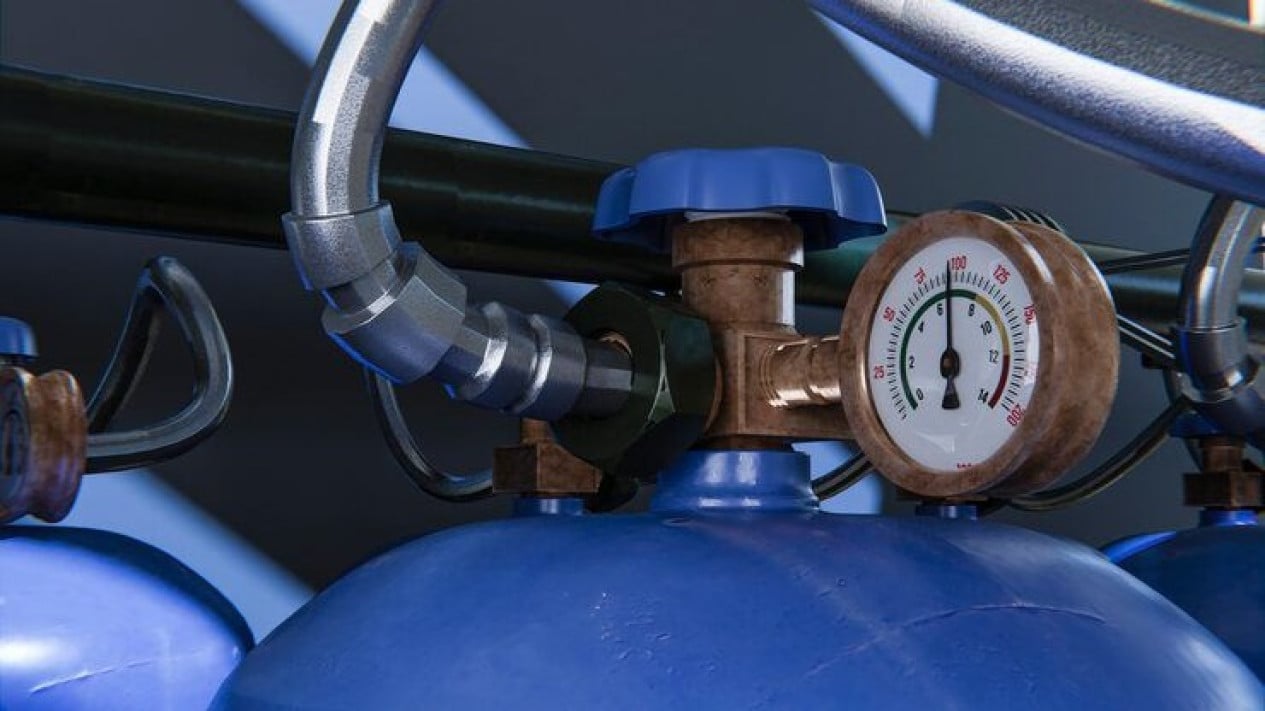
Jakarta – A global helium crisis is beginning to disrupt supply chains in the technology and medical industries. This disruption is triggered by conflicts in the Middle East that limit the production and distribution of the gas, particularly from the Gulf region.
Helium itself is a crucial component in the semiconductor industry. The gas is used in cooling processes, leak detection, and precision manufacturing in chip production.
Several industry players state that the increasingly tight supply has begun to affect production. “The helium shortage is a very serious concern,” said senior partner at supply chain consultancy Tidal Wave Solutions, Cameron Johnson, as quoted from Reuters on Wednesday, 6 May 2026.
“If there is a shortage, companies may start to slow down production or even halt it, including chip manufacturing,” he explained.
Johnson warned that the impact could extend to various sectors, from electronics and automotive to smartphones.
This supply disruption is related to the high global dependence on helium from the Middle East. Qatar contributes nearly a third of the world’s helium production, around 63 million cubic metres in 2025.
However, the Iran conflict has disrupted about a third of the global supply, particularly due to distribution barriers in the Strait of Hormuz.
Additionally, helium is a by-product of liquefied natural gas (LNG) production. Disruptions to energy facilities in Qatar are also pressuring LNG production and directly impacting helium supply.
Citing Al Jazeera, QatarEnergy estimates that liquid helium exports will drop by around 14 percent each year. The crisis’s impact has even been felt by technology companies.
Jerry Zhang, head of sales for China at semiconductor company VAT, said the conflict has tightened supplies and affected production. He also mentioned that transportation delays are exacerbating the situation, leading companies to seek alternative supplies from the United States.
Disruptions are also occurring in the supply chain for other raw materials. Zhou Limin from Mycronic’s MRSI unit said that some materials from Israel are experiencing delivery delays. “There is definitely a short-term impact, and it has already affected us.”
Industrial gas companies are also beginning to anticipate this situation. An executive from Air Liquide warned of potential short-term helium shortages.
In addition to the technology sector, the medical industry is also affected. This is because helium is used in MRI machines to cool superconducting magnets. Supply disruptions could hinder the operation of these devices.