
Heating Up Again! Iran Says It Did Not Attack, But Defended Itself
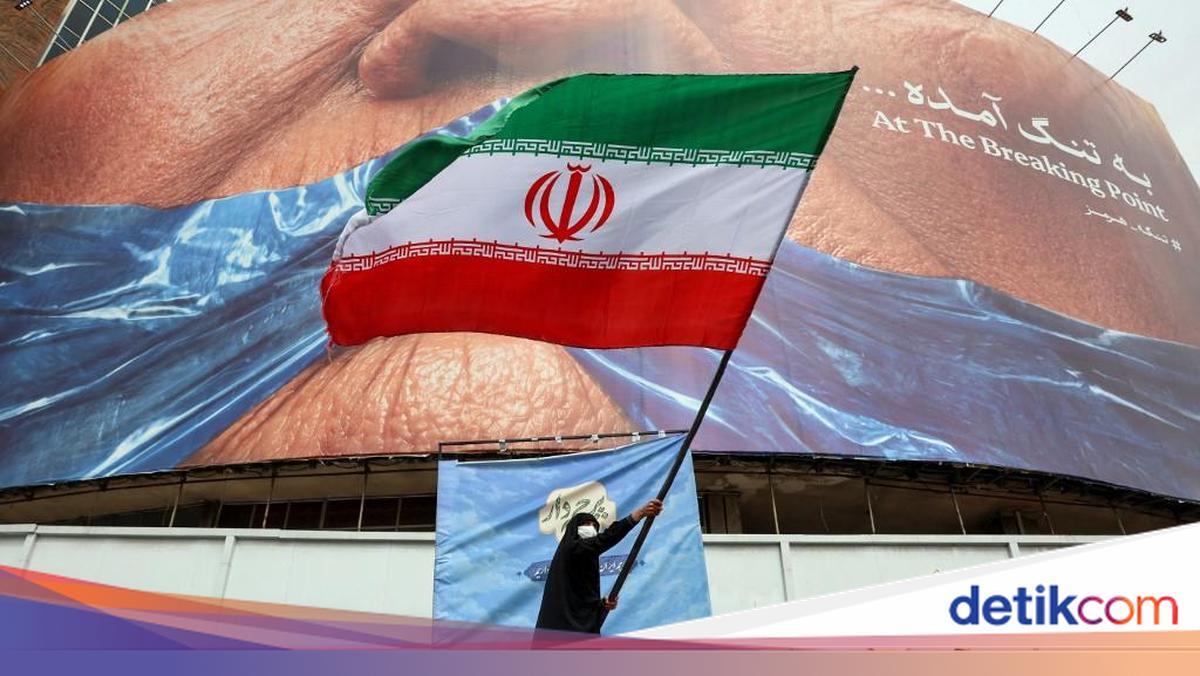
The Middle East is boiling over again. Iran’s Foreign Ministry has rejected Western narratives that portray its latest strikes as unprovoked aggression, asserting that the attacks were a legitimate act of self-defence against ongoing violations by the United States and Israel.
Earlier, a spokesman for the UN Secretary-General expressed concern over the ‘resumption of military confrontation’ and Iran’s actions in the region. In response, Iranian Foreign Ministry spokesman Esmaeil Baghaei stressed that the situation was not merely a ‘military confrontation’, but a continuation of the blatant and unprovoked aggression launched by the United States and the Israeli regime on 28 February.
‘Iran did not ’attack’. Iran’s strikes against US military bases and assets stationed in the southern Persian Gulf were an exercise of Iran’s inherent right to self-defence under legitimate international law and in accordance with the law,’ Baghaei said, as reported by Iranian media Press TV on Monday (13/7/2026). He urged countries hosting American forces to immediately stop allowing their territories to be used as launch pads for attacks against Iran.
The situation escalated further on Sunday (12/7) local time, after Tehran announced the closure of the Strait of Hormuz and launched missiles and drones at its neighbouring Gulf states. The strikes were in retaliation for fresh US attacks conducted after an Iranian assault on a commercial vessel that had been abandoned in flames by its crew.
The Iranian government condemned the latest wave of US strikes, stating that the attacks had ‘rendered futile’ all diplomatic efforts of recent months. ‘These barbaric attacks are not only a gross violation of the fundamental principles of the United Nations Charter, but also a serious threat to international peace and security,’ the Iranian Foreign Ministry said.
The tensions threaten a temporary agreement aimed at ending the Middle East war, which erupted in late February. A major obstacle to reaching a final deal is the future of the Strait of Hormuz, which Iran closed to commercial shipping during the war with the US and Israel. The Strait of Hormuz is a major artery for oil and gas exports from the Gulf, and its wartime closure has had a massive impact on the global economy.
The Iranian government has repeatedly stressed its legitimate right to sovereignty over the strait. It insists the vital waterway will never return to its pre-war conditions, remaining adamant about controlling the shipping lane and planning to impose fees, a stance rejected by Washington.