
Heat Stress Reduces Dairy Cow Milk Quantity and Quality
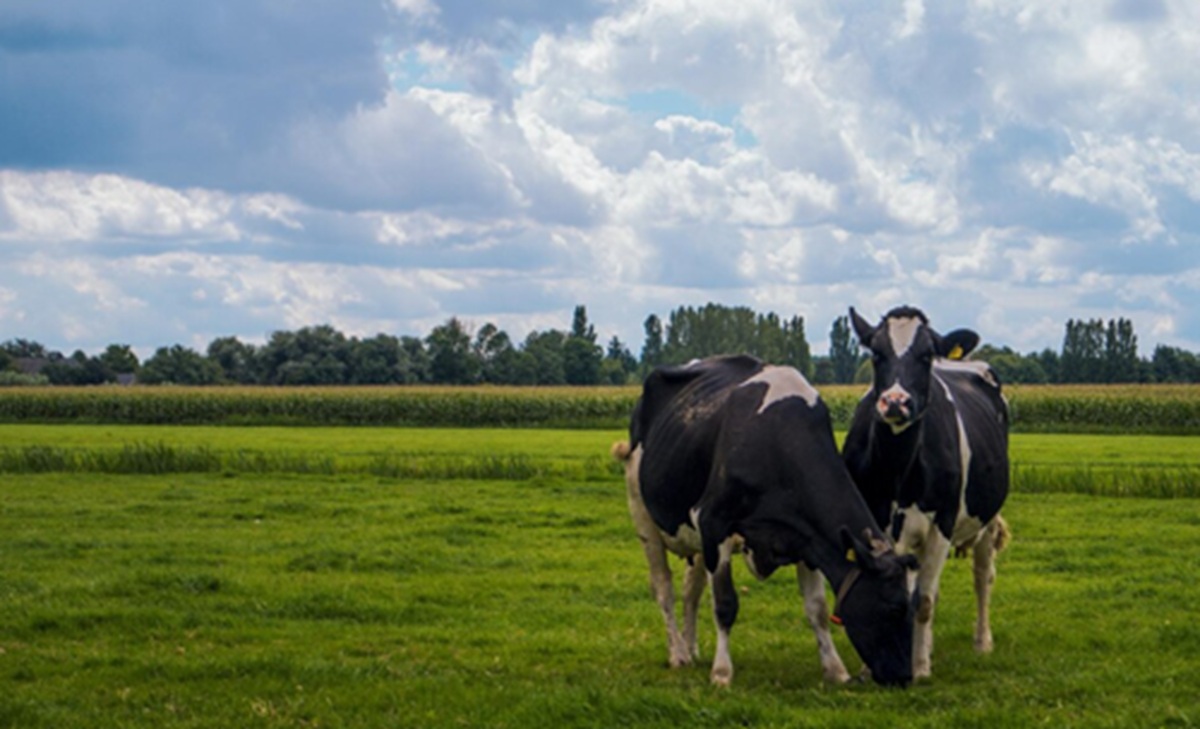
Worsening climate change is having a tangible impact on various vital sectors, including the livestock industry and global food security. A recent review highlights the serious threat of global warming to dairy cattle populations. Rising global temperatures not only affect the physical health of the animals but also trigger heat stress conditions that directly slash the quantity and reduce the nutritional quality of the milk produced. Dairy cows, particularly high-yielding breeds, are naturally very sensitive to heat. The ideal environment for dairy cows to produce milk optimally is a cool and stable climate. When the ambient temperature soars sharply beyond their thermal comfort zone, cows experience what experts term heat stress. Biologically, when the environmental temperature rises extremely, cows automatically reduce their feed intake. This loss of appetite is a natural defence mechanism to minimise internal heat production from the digestive process. Unfortunately, due to the drastically reduced nutrient intake, the cow’s body is forced to prioritise survival functions. Energy that should be allocated for milk production is diverted to maintain a stable core body temperature, such as by breathing faster and sweating more. The first tangible impact felt by farmers is a drastic decline in daily milk production volume. However, the real threat runs deeper than just volume. Heat stress conditions have been proven to alter the biochemical composition of the milk. Scientific data consistently shows that milk produced by cows under heat stress has significantly lower butterfat and protein levels. These two fundamental nutritional components are the primary determinants of milk quality standards and serve as the main raw materials for derivative products like cheese and butter. This situation triggers a domino effect of double economic losses for farmers. On one hand, the total volume of marketable milk drops sharply. On the other, the remaining milk that is successfully collected risks being priced lower by the processing industry because it fails to meet the minimum protein and fat percentage standards. If heatwaves and extreme weather due to climate change continue to become the new norm without meaningful intervention, the global supply of processed dairy products could be seriously disrupted. To anticipate this threat, the livestock industry is now required to adapt immediately. Mitigation measures are essential, ranging from redesigning barn architecture with maximum ventilation and installing modern cooling systems like automatic water spray fans, to developing specialised feed nutrition strategies that are easier to digest during the summer. Ultimately, this crisis in the livestock sector reminds us that climate change is not merely an environmental issue, but a direct threat to nutritional security and our daily meals.