
Health Threats in the Dry Season: Farabi El Fouz Urges Local Government to Strengthen Health Services
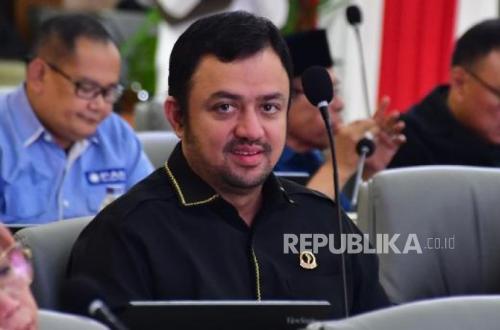
Member of the West Java DPRD Commission V, Farabi El Fouz, has reminded all parties to increase vigilance against various health risks in line with predictions of a longer dry season this year. In addition to being a legislator, Farabi is known as a health practitioner who frequently highlights public health issues.
According to Farabi, prolonged dry conditions not only affect the availability of clean water but also have the potential to trigger an increase in various diseases in society. He mentioned that diseases such as acute respiratory tract infections (ISPA), dehydration diarrhoea, chronic cough, measles, pneumonia, and skin disorders are threats that need to be anticipated early.
“Extreme weather changes, especially prolonged dry spells, are often accompanied by a decline in environmental quality. Dust increases, clean water is limited, and this directly impacts public health,” Farabi told Republika.co.id on Monday (20/4/26).
He added that vulnerable groups such as children, the elderly, and people with pre-existing conditions are the most at risk. Therefore, consistent preventive measures are needed, both from individuals and local governments.
Farabi also encouraged local governments to strengthen health services, particularly at the puskesmas level, to be able to respond to surges in disease cases during the dry season. In addition, preventive education for the public on the importance of maintaining clean and healthy lifestyles is considered crucial to reducing disease risks.
Specifically, Farabi urged health offices in regencies and cities to take early anticipatory steps, starting from mapping disease-prone areas, medical personnel readiness, to the availability of medicines. He views the preparedness of health institutions as key to minimising the impact of the dry season on public health.
“The public needs to pay attention to fluid intake, maintain environmental cleanliness, and avoid excessive activity under extreme heat exposure. On the other hand, health offices must also be alert and proactive in prevention,” he said.
On the other hand, he emphasised the importance of cross-sectoral collaboration in addressing dry season impacts, including the provision of clean water and air quality control. With the right anticipatory steps, Farabi is optimistic that the health impacts from the prolonged dry season can be minimised.
Previously, the Meteorology, Climatology, and Geophysics Agency (BMKG) predicted that most areas in West Java will experience a drier dry season than usual in 2026. In fact, this year’s dry season is said to be drier than the 30-year climatological average.
This was stated by Weather Forecaster at the BMKG West Java Climatology Station, Vivi Indhira, during the online West Java Dry Season 2026 socialisation event recently.
Vivi explained that 93 percent of areas in West Java will experience below-normal rainfall characteristics during the dry season. This means that rainfall will be lower than the normal average, so the dry season this year is estimated to be drier than usual.
Several areas experiencing these conditions include Bandung City, Tasikmalaya City, Cianjur, Sukabumi, Bekasi, Cirebon, and Kuningan.