
Health Screening for 2027 Hajj Pilgrims to Be Tightened to Reduce Deaths in Holy Land
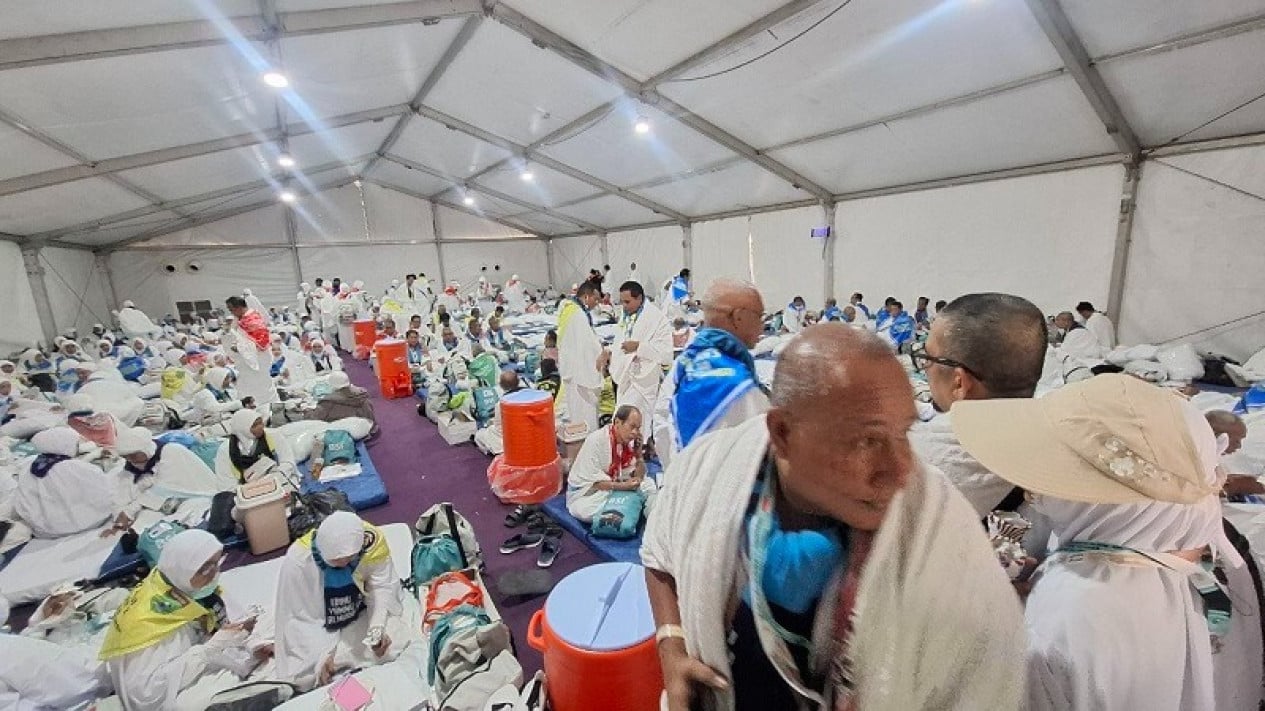
The government has begun preparations for the 1448 Hijriah/2027 Hajj pilgrimage with a primary focus on reducing the morbidity and mortality rates of pilgrims in the Holy Land. One of the strategic measures to be implemented is the tightening of the istitha’ah health examination, ensuring that only pilgrims who genuinely meet the health requirements are dispatched. Acting Deputy for Partnership and Media Relations at the Government Communication Agency, Kurnia Ramadhana, stated that preparations for the 2027 Hajj have commenced much earlier so that all stages can proceed according to the Saudi Arabian Government’s schedule while providing room for improvement across various aspects of the operation. “Preparations for the 1448 Hijriah or 2027 pilgrimage have begun now, encompassing the drafting of a timeline following the Saudi Arabian Government’s schedule, as well as the formulation of the proposed Hajj Travel Cost and its details, which we have submitted to the Indonesian House of Representatives,” Kurnia said during a press conference in Central Jakarta on Wednesday, 15 July 2026. In addition to preparing the operational stages, the government is also maintaining the existing Hajj financing scheme. The proposed cost composition remains 60 percent from the value of benefits derived from the management of Hajj funds by the Hajj Fund Management Agency and 40 percent from the Hajj Travel Cost paid by the pilgrims. Concurrently, the government is accelerating the resolution of several strategic issues deemed critical to the quality of next year’s Hajj operation. These range from planning based on quota assumptions, strengthening the istitha’ah health examination, resolving the funding shortfall scheme for flight costs, accelerating service negotiations with providers in Saudi Arabia, to the transfer of state-owned assets related to Hajj operations. Among all these agendas, the health aspect is the government’s primary concern given the high risk of pilgrims experiencing health problems while performing the pilgrimage amid extreme weather and strenuous physical activity. “Furthermore, the government is also preparing a number of measures for the 1448 Hijriah Hajj season. The health eligibility screening for pilgrims will be tightened to reduce the rate of illness and death in the Holy Land,” Kurnia said. In addition, service quality improvements will be accompanied by strengthening human resource capacity. The government will provide training to all Hajj officers, both at the central and regional levels, so they have uniform service standards in assisting pilgrims.