
Health resilience starts upstream
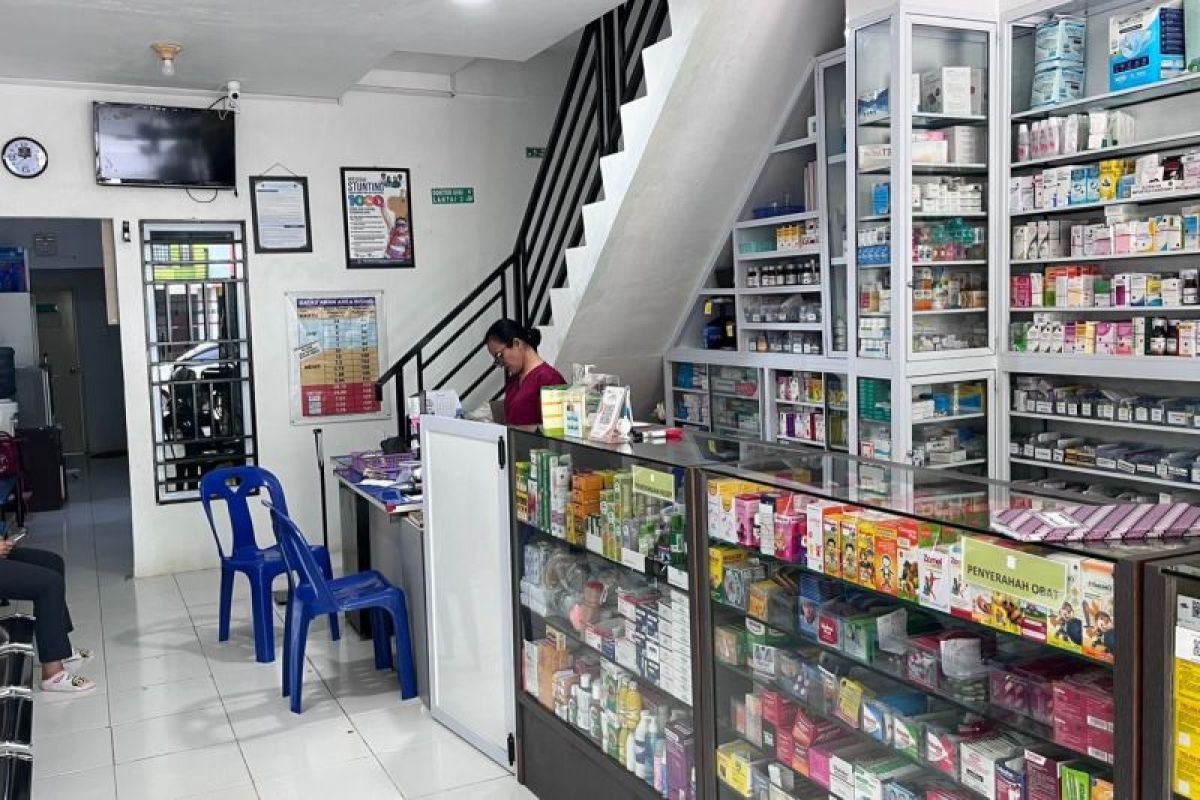
Indonesia is known as one of the world’s most biodiverse countries. Yet, around 94 percent of the raw materials used by the national pharmaceutical industry are still imported.
This contrast shows that the upstream pharmaceutical issue is no longer merely an industrial matter, but concerns the state’s ability to safeguard the health of its citizens when the world faces uncertainty.
Such dependency may not be felt when global trade operates normally. However, when a pandemic, geopolitical conflict, or logistical disruption hampers the supply chain, a country’s ability to provide medicine is also influenced by decisions made beyond its borders.
A health system that appears robust downstream can become fragile if its upstream foundation is not yet solid.
The COVID-19 pandemic provided an expensive lesson. When many countries prioritised their domestic needs, access to pharmaceutical raw materials became increasingly tight.
That situation demonstrated that the availability of medicine is not solely determined by hospitals, health workers, or medical devices, but also by the capacity to produce the main components that initiate the entire pharmaceutical process.
Data from the Food and Drug Monitoring Agency (BPOM) illustrates the scale of this challenge. Of the more than 15,000 drug distribution permits circulating in Indonesia, only about six percent use domestically produced raw materials. The remainder still depends on foreign supplies.
This figure may appear as an industrial statistic, but its impact is very close to people’s lives. When global supply is disrupted or raw material prices soar, production costs rise, the industry’s room for manoeuvre narrows, and the risk to drug availability grows.
Therefore, strengthening the upstream pharmaceutical sector can no longer be viewed as a technical matter of concern only to researchers or business actors. It has evolved into part of the strategy for maintaining the sustainability of the national health system.
Indonesia actually possesses assets that are difficult for many countries to match. The biodiversity spread across tropical forests, mountains, coastal areas, and the sea holds enormous potential for the development of pharmaceutical raw materials and biopharmaceutical innovation. This wealth can be a source for the birth of new molecules while simultaneously strengthening the national industry.
However, natural resources do not automatically transform into industrial advantage. The greatest added value in the pharmaceutical sector is born from sustained research, technological mastery, manufacturing capability, and the success of bringing research results into products manufactured on a large scale.
At this point, Indonesia’s homework remains extensive.
Public attention has more often been directed at the development of downstream health services, such as hospitals, medical devices, or the expansion of service access. All of that is important and must continue to be strengthened. However, the foundation of a resilient health system actually lies in the upstream sector.
Hospitals need medicine. The pharmaceutical industry needs raw materials. Meanwhile, raw materials require research, investment, human resources, and consistent policy. If one link in this chain weakens, the entire system bears the risk.
Therefore, strengthening the upstream pharmaceutical sector is not solely an effort to reduce imports. What is being built is the country’s ability to mitigate risk when the world faces uncertainty.
Building resilience