
Health Ministry Warns Prescription Drug Abuse Could Be Gateway to Narcotics
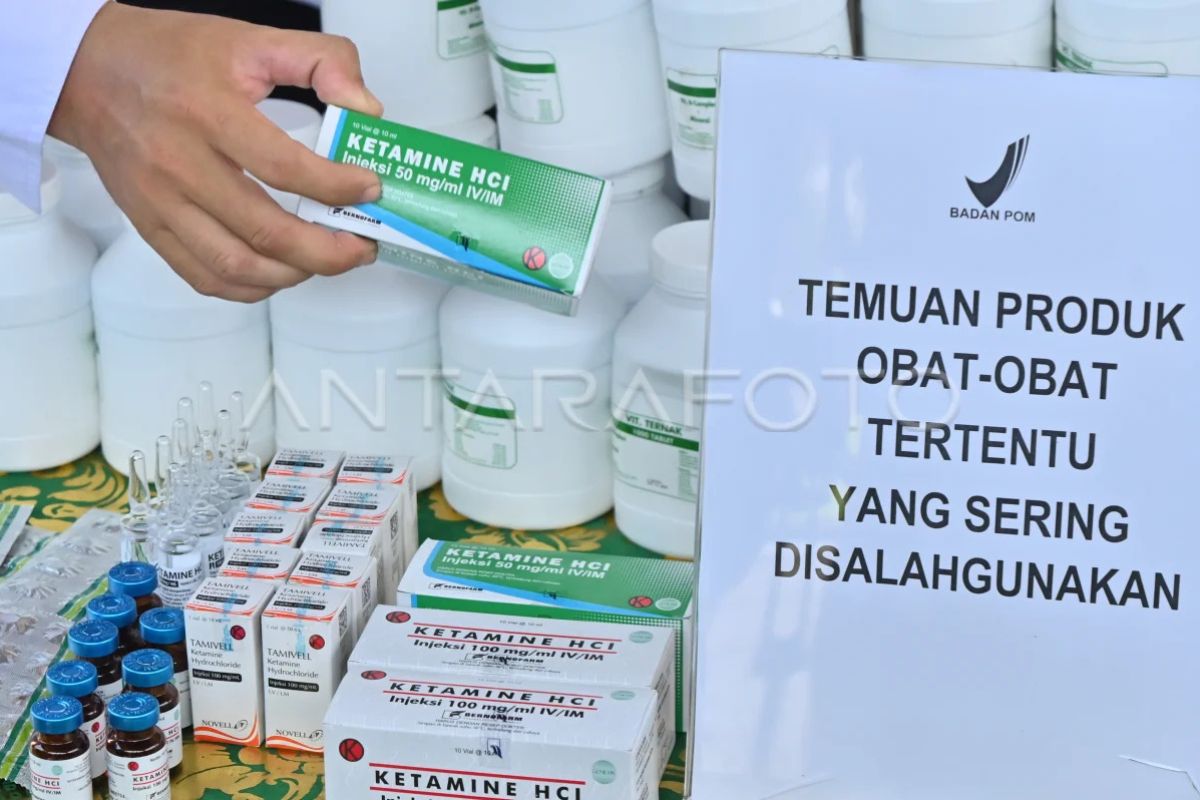
The Ministry of Health has stated that the misuse of certain medications can cause serious health impacts and risks becoming a gateway to the abuse of other narcotics, prompting it to support collaborative and comprehensive educational and preventative efforts against the misuse of prescription drugs (OOT).
Imran Pambudi, Director of Health Services for Vulnerable Groups at the Ministry of Health, said in the context of International Anti-Narcotics Day that from a mental health perspective, OOT abuse is not only a legal issue but also a public health problem requiring a comprehensive approach encompassing prevention, early detection, treatment, and rehabilitation.
“The Ministry of Health has prepared a rehabilitation service network through 1,494 health facilities designated as Mandatory Reporting Recipient Institutions (IPWL) across 35 provinces, ready to accept public referrals. However, it is more important to prevent teenagers and the younger generation from falling into this trap in the first place,” he said in Jakarta on Friday.
To this end, the ministry is strengthening life skills education in schools, expanding early screening using the Alcohol, Smoking and Substance Involvement Screening Test (ASSIST) instrument, and providing community-based counselling and rehabilitation services.
“Tramadol, although used as an analgesic, can cause dependence, respiratory disorders, seizures, and even fatal overdoses when misused,” he said.
Furthermore, trihexyphenidyl, a drug intended for Parkinson’s therapy, can cause hallucinations, aggressive behaviour, cognitive impairment, and a risk of psychosis if abused. Imran also noted that amitriptyline, an antidepressant, can cause excessive drowsiness, cardiac arrhythmia, seizures, and even an increased risk of suicide when used improperly.
He expressed appreciation for steps taken by other ministries and agencies, such as the Food and Drug Authority (BPOM) together with the Ministry of Population and Family Development, which launched a national action campaign to prevent OOT abuse.
“We emphasise the importance of cross-sectoral collaboration. The Ministry of Health will synergise with BPOM in supervising the circulation of OOT, and support the Ministry of Population and Family Development’s programme involving youth ambassadors in educational campaigns. Every case of OOT abuse must be viewed as a mental health issue, so psychosocial intervention and rehabilitation become an integral part of handling it,” he said.
The Ministry of Health also urged the public to be collectively vigilant against OOT abuse in their surroundings. Parents, teachers, community leaders, and health workers need to recognise early signs, take an empathetic approach, and immediately refer individuals to the nearest health service or IPWL.
Previously, the Food and Drug Authority (BPOM) launched a digital innovation, the Information Centre for the Anticipatory Movement against Drug and Food Abuse (SIGAP OM), to prevent the misuse of certain drugs among teenagers.
“There is currently a serious challenge in the form of OOT abuse, where drugs intended for medical treatment are misused to achieve a certain effect. OOT often flies under the radar because it is easy to obtain, relatively cheap, and perceived to carry a lower legal risk compared to narcotics or psychotropics,” said BPOM Head Taruna Ikrar on Thursday (11/6).
Taruna stated that Generation Z, numbering around 71 million people or 24.9 percent of Indonesia’s total population, is the main driver of the demographic bonus until 2035. Therefore, the health quality and productivity of this generation is a crucial investment for the nation’s future.
Source: jawawa.id (https://jawawa.id/newsitem/health-ministry-warns-prescription-drug-abuse-could-be-gateway-to-narcotics-1782474889)
Originally published by Antara (Indonesian) (https://www.antaranews.com/berita/5624393/kemenkes-penyalahgunaan-oot-bisa-jadi-pintu-masuk-napza), translated from Indonesian