
Health Ministry to Study Incentives for General Practitioners and Dentists in Remote Areas
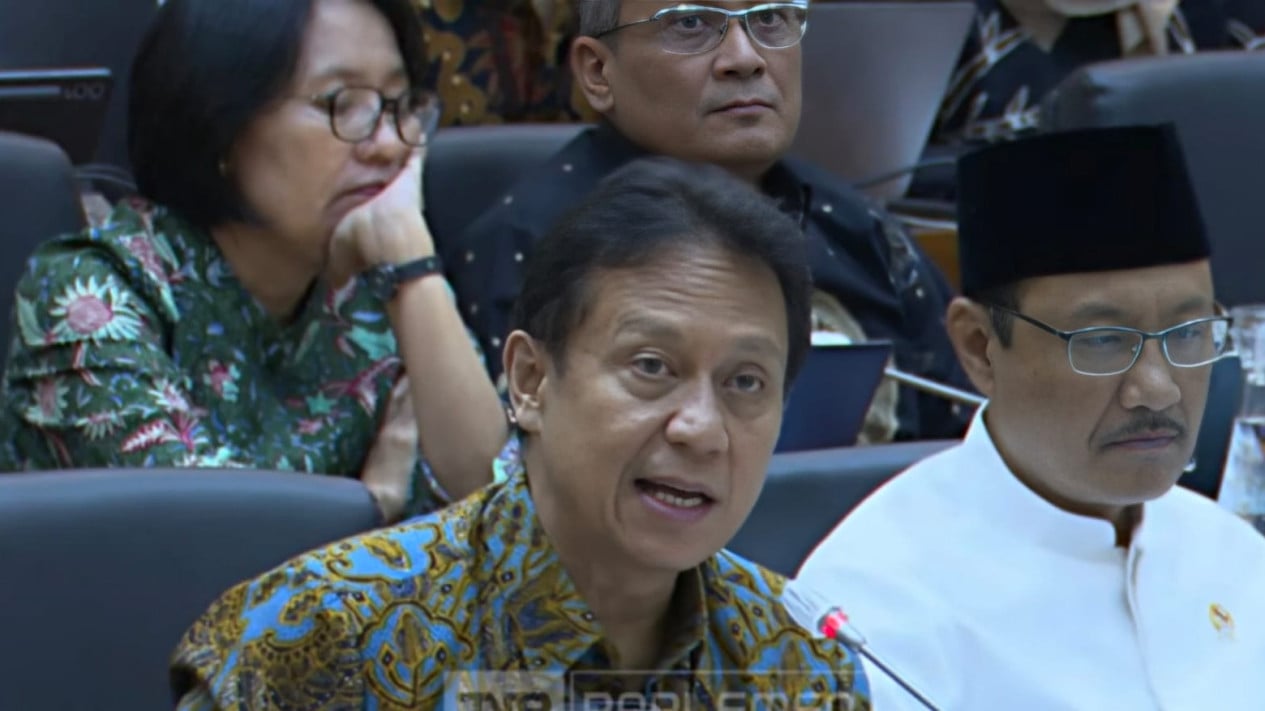
The Ministry of Health (Kemenkes) is currently preparing a study regarding the provision of incentives for general practitioners and dentists serving in Remote, Border, and Island regions (DTPK).
Minister of Health Budi Gunting Sadikin stated that the government has previously implemented an incentive programme for specialist doctors serving in various regions. “Regarding incentives, we have successfully provided 30 million in incentives per month for 1,370 specialist doctors. We are now studying whether we can do the same for general practitioners and dentists in DTPK areas,” Budi said during a meeting with the House of Representatives (DPR) in Jakarta on Thursday, 25 June 2026.
Budi also outlined several issues still faced by healthcare workers in Indonesia. These include high workloads, uneven distribution of medical personnel, income inequality, differences in career progression between primary care and hospitals, and the issue of bullying.
According to Budi, the income gap in the health sector remains very striking. He assessed that there is a vast difference between medical personnel who earn very high incomes and those who receive minimal earnings. “Some earn billions in orders per month, while others… we often hear of those who earn hundreds of thousands, like parking attendants. This is one of the fields where the gap is extremely high,” he remarked.
He also highlighted the disparity in specialist doctor allowances across various regions. For example, a specialist doctor in Bone Regency receives an allowance of approximately Rp3 million, whereas in Mahakam Ulu, the value can reach up to Rp80 million.
Given the scale of this inequality, the Ministry of Health plans to collaborate with several relevant ministries to find a more comprehensive solution.
In addition to income issues, Budi assessed that the distribution of medical personnel remains a major challenge. He revealed that many young doctors have not had the opportunity to work because available positions in hospitals are still occupied by senior doctors.
“If we could distribute this more effectively. That is why some doctors have three Practice Licences (SIP); young doctors want to enter but cannot because the SIP slots are already filled by older doctors. Even though those older doctors might not necessarily need to work in the hospital,” he said.