
Health Ministry: TB Detection for People with Disabilities Needs Strengthening
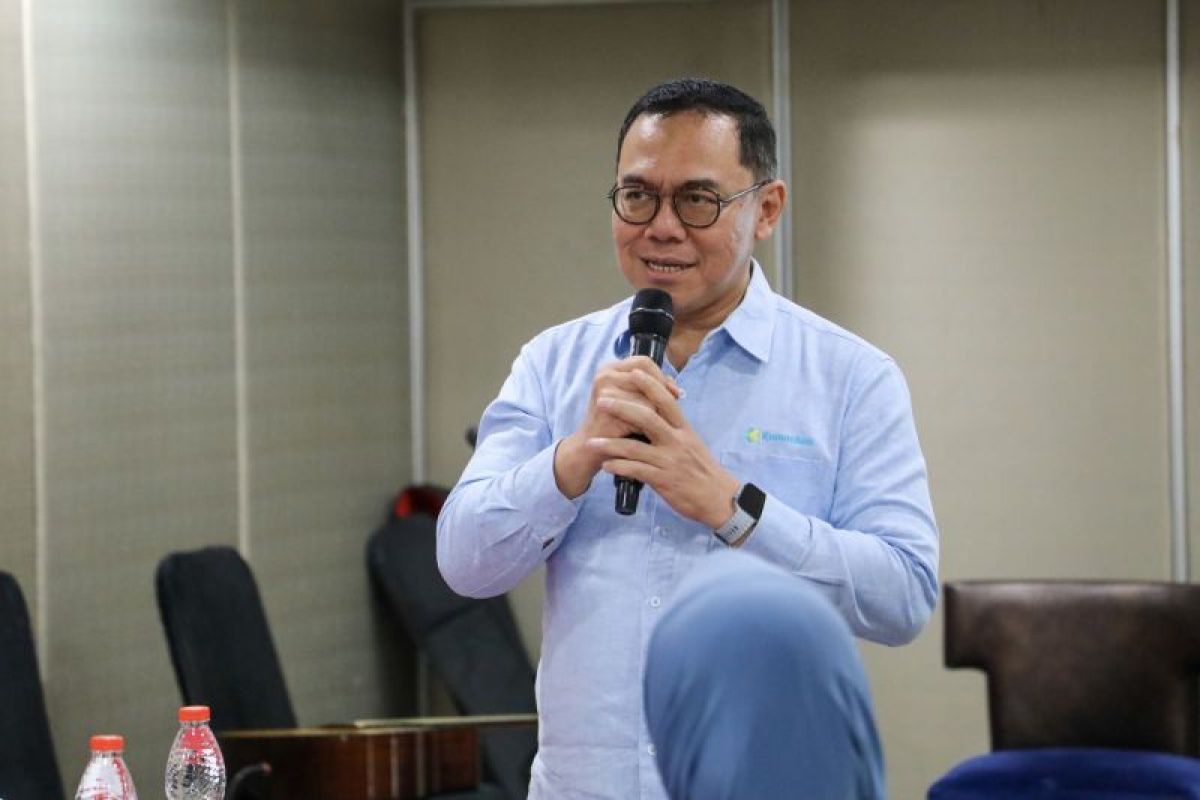
The Ministry of Health has emphasised the importance of strengthening tuberculosis (TB) detection and treatment for people with disabilities, including through the development of more inclusive screening technology, as this group continues to face various barriers in accessing health services.
Imran Pambudi, Director of Health Services for Vulnerable Groups at the Ministry of Health, made the statement in Jakarta on Monday, responding to research on the TBScreen.AI technology developed by KONEKSI, an Australia-Indonesia partnership platform for knowledge and innovation, to improve TB screening efficiency.
“The disability group needs more attention because they are also potentially affected by TB. However, when we talk about disability groups, there are actually four main categories covered here, including physical, intellectual, mental, and sensory disabilities,” he said.
He explained that currently, public discussion is still mostly related to physical disabilities. Meanwhile, there are different challenges faced, for example when needing a chest X-ray, diagnosis, and treatment.
“Therefore, the dissemination of this research is an important opportunity to ensure TB can be detected earlier for people with disabilities, so that treatment can be given immediately for recovery,” said Imran.
Indonesia ranks second in the world in TB case burden after India. In 2024, there were an estimated 1,090,000 TB cases and 125,000 deaths annually. This data underscores the urgency of enhancing prevention and treatment efforts across all regions of Indonesia.
In response, the Ministry of Health has adopted a preventive tuberculosis disease control strategy, including in the Best Quick Results Programme (PHTC), which mandates 100 percent tracing of families and close contacts of patients to break the nearest chain of transmission, thereby accelerating the TB elimination target by 2030.
Dr Antonia Morita Iswari Saktiawati, principal researcher and lecturer in the Department of Internal Medicine, Faculty of Medicine, Public Health and Nursing at Universitas Gadjah Mada (UGM), explained that her team will continue to develop the model’s sensitivity with more chest X-rays and consider comorbidities as well as a broader range of vulnerable TB groups.
She said this is because the dataset used by TBScreen.AI is currently dominated by Yogyakarta, Central Java, and Papua, and therefore does not sufficiently represent the variation in Indonesia’s population characteristics.
Consequently, adding data from other provinces is a top priority. Currently, TBScreen.AI can already be operated online, and the team will develop an offline version in the future, so it can be used effectively in remote areas with limited internet access.
“We developed this artificial intelligence-based technology as a screening tool, with an AI algorithm that has been adapted to the characteristics of the Indonesian population. The data collection and testing carried out resulted in the TBScreen.AI platform achieving a sensitivity of 83.16 percent,” she said.