
Health Ministry says self-care is a key pillar of Indonesia’s health system
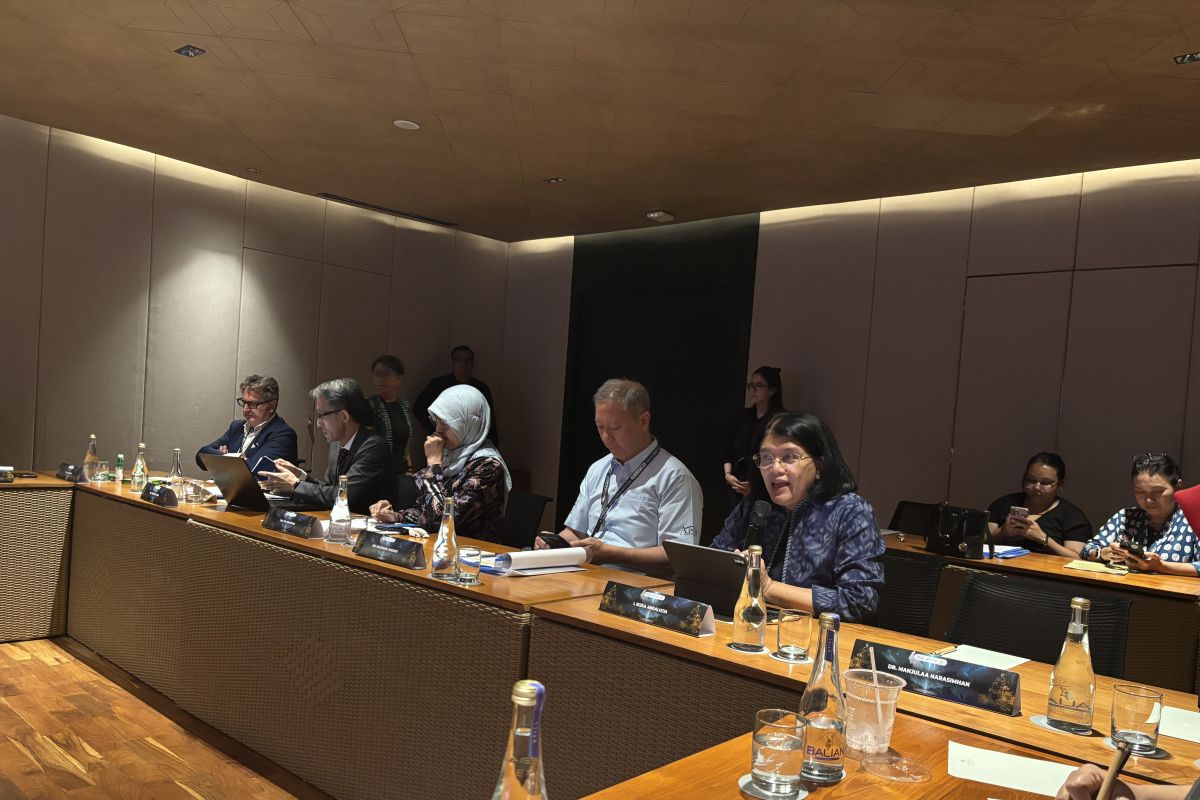
Badung (ANTARA) – The Ministry of Health (Kemenkes) has highlighted the importance of self-care and responsible self-medication as key pillars in protecting the health of the Indonesian public.
“Self-care is a key pillar for health and wellbeing in Indonesia because we want every member of the public, every individual, to be aware and take a more active role in looking after their health and wellbeing,” said Lucia Rizka Andalusia, the ministry’s Director General of Pharmaceuticals and Medical Devices.
Rizka made the remarks on Friday at the Asia-Pacific Self-Medication Industry (APSMI) Summit in Badung Regency, Bali.
She said public awareness of managing minor symptoms and maintaining wellbeing independently had risen since the COVID-19 pandemic, amid concerns over climate change and extreme weather.
To support this, the ministry’s free health screening programme reached 70 million people in 2025 and aims to cover 130 million this year.
Through early detection of disease risks, the public is expected to gain a better understanding of their health status and take appropriate preventive and self-care measures.
Rizka said out-of-pocket spending on healthcare in Indonesia remained significant, at 27 per cent, including expenditure on self-medication.
“We must therefore ensure that every rupiah people spend on self-care goes towards products that are safe, effective, high-quality and affordable,” she said.
The government considers cooperation among all stakeholders — including the government, industry, health professionals, regulators, academics and the public — necessary to build a strong self-care ecosystem.
However, the ministry acknowledged that varying levels of health literacy among the public remained a challenge.
To improve health literacy, it is running programmes using “agents of change” in selected communities to teach people how to read prescriptions and labels, and how to use, store and dispose of medicines.
The ministry is also building the capacity of staff at shops authorised to sell over-the-counter and restricted over-the-counter medicines, so they can provide consumers with accurate information.
Health literacy is also being introduced to children at school from an early age and disseminated through simple content on the ministry’s official social media channels.
On the importance of self-care, Rachmadi Joesoef, a representative of the Indonesian Pharmaceutical Companies Association (GP Farmasi) and APSMI chairman, said more than 78 per cent of Indonesians reported self-medicating in 2025.
Research by the Global Self-Care Federation (GSCF) estimates that self-care generates annual savings of US$144 billion for healthcare systems worldwide.
“Responsible self-care can create significant health, social and economic value by helping people manage their everyday health needs appropriately, while reducing avoidable pressure on healthcare resources,” Rachmadi said.
He added that APSMI had established working groups on regulatory streamlining and digital health to anticipate public needs.
“The pressing issue for us is how to ensure broad access to self-care, with accurate information, the right products and prices that remain affordable,” Rachmadi said.