
Health Ministry: Rising HIV Cases in Sidoarjo Reflect Expanded Detection Efforts
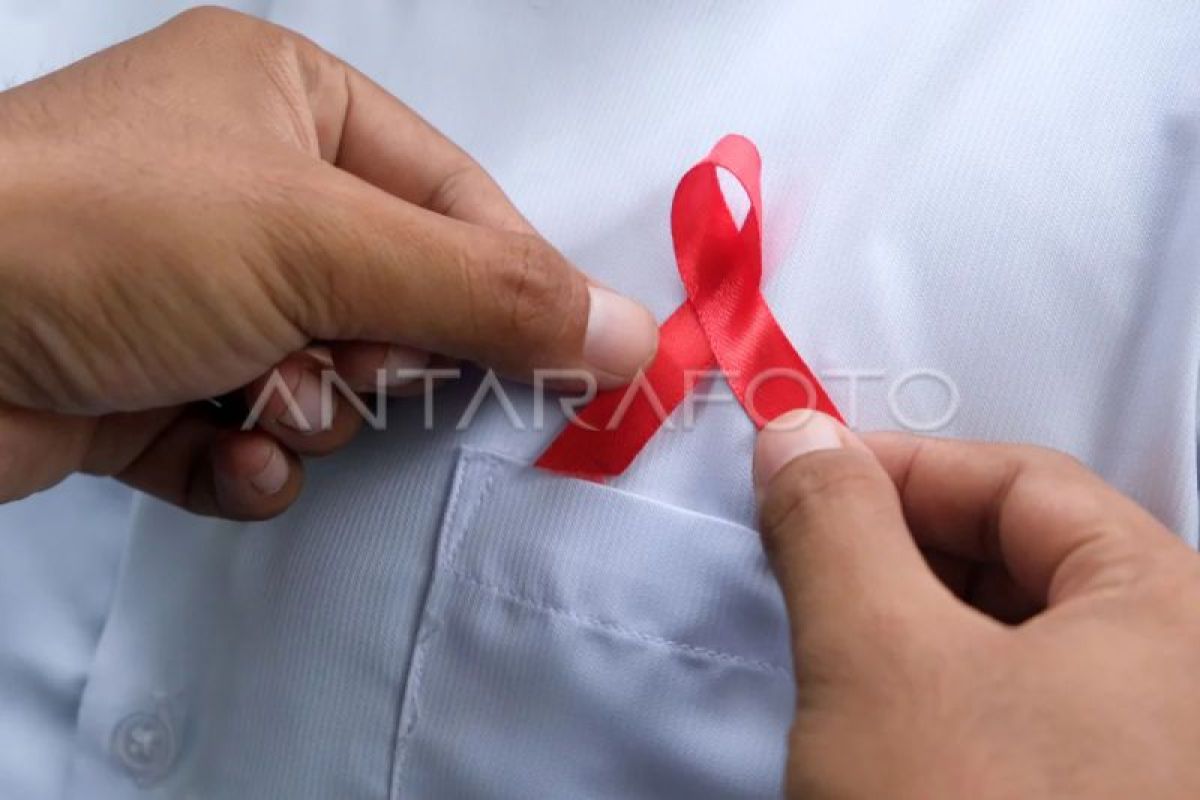
The Ministry of Health has stated that the rise in HIV case numbers in Sidoarjo Regency demonstrates the success of expanding early detection services, enabling more people to learn their HIV status and promptly access treatment, in response to heightened public attention on the findings. Acting Director General of Disease Control at the Ministry of Health, Dr Andi Saguni, said in Jakarta on Sunday that his party is urging the public to understand the information comprehensively and not to create stigma against people living with HIV (PLHIV). HIV is a chronic disease that can be controlled through antiretroviral therapy. “Based on HIV situation data for Sidoarjo Regency, from 2001 to June 2026, a cumulative total of 1,183 HIV cases were found in the 0-24 age group. The increase in cases found from year to year has occurred alongside the increasingly broad coverage of HIV testing services in health service facilities, hospitals, community health centres, clinics, and community-based services,” he said. Thus, the increase in case detection figures cannot be directly interpreted as an increase in transmission, but rather also reflects the increasingly effective early detection efforts carried out by the government together with various partners. “The Directorate General of Disease Control at the Ministry of Health has carried out supervision of the HIV programme in Sidoarjo Regency as a follow-up to the high level of public attention to news regarding HIV cases among children and adolescents in Sidoarjo Regency,” he stated. In addition to reviewing the validity and interpretation of data, he said, the supervision team also evaluated the implementation of prevention, early detection, treatment, and support programmes for people with HIV, as well as strengthening coordination with the Sidoarjo Regency Health Office. The Ministry of Health is also continuing to strengthen Prevention of Mother-to-Child HIV Transmission (PMTCT) services. In Sidoarjo Regency, 163 pregnant women with HIV were recorded during the period from 2022 to June 2026, consisting of 49 cases in 2022, 40 cases in 2023, 35 cases in 2024, 30 cases in 2025, and 9 cases up to June 2026. All pregnant women are encouraged to undergo HIV testing as part of integrated antenatal care so that if they are found to be HIV positive, they can immediately receive antiretroviral therapy, thereby reducing the risk of transmission to the baby to below 2 per cent. “We urge the entire community not to be afraid to take an HIV test if they have risk factors or are recommended by health workers. Knowing your HIV status early is an important step to protect yourself, your partner, and your family,” he said. HIV, he said, can be controlled with medication taken regularly, so that people with HIV can live healthy, productive lives and continue to contribute to society. In relation to the still high number of HIV cases in Indonesia, the Ministry of Health is calling on the entire community to stop stigma and discrimination against people with HIV, considering that this not only prevents someone from taking an HIV test but can also disrupt the continuity of treatment. Support from family, the community, local governments, health workers, civil society organisations, and communities is an important part of achieving the 95-95-95 target and ending AIDS by 2030.