
Health Ministry pushes for 100 percent close contact tracing to break TB transmission chain
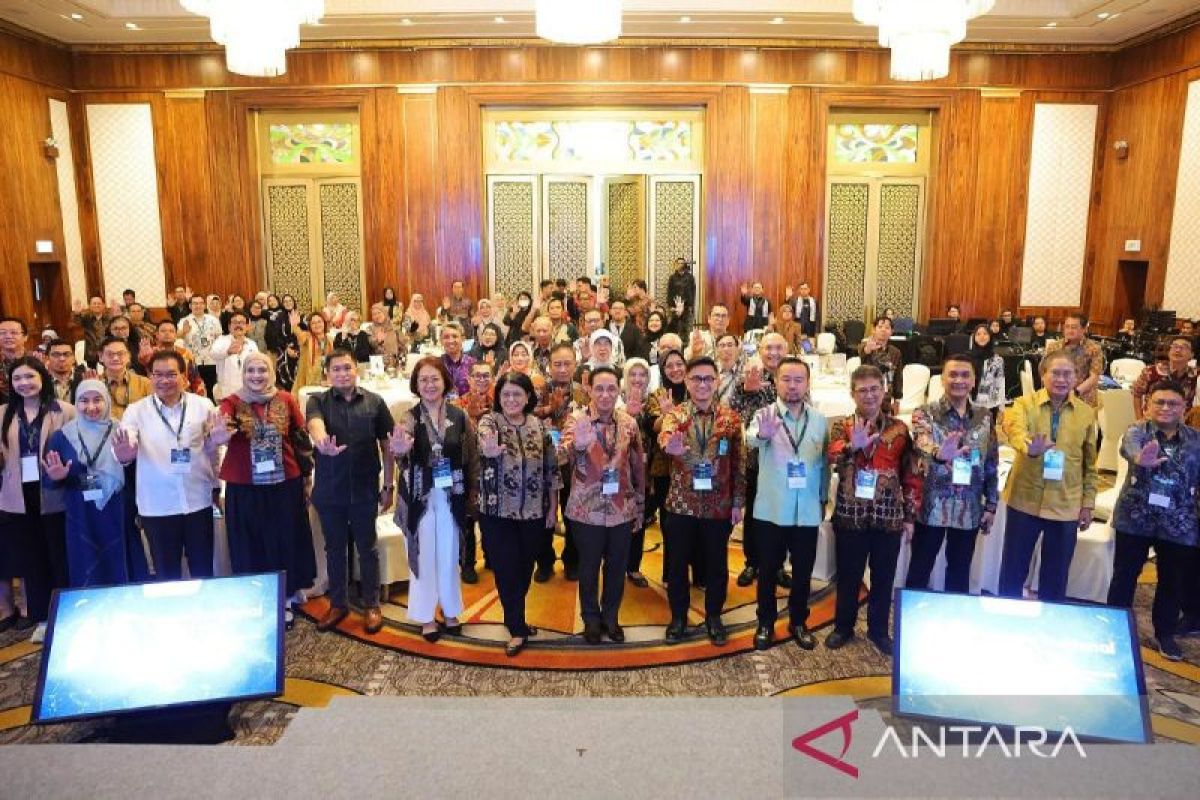
The Ministry of Health (Kemenkes) is changing its tuberculosis (TB) control strategy by requiring 100 percent tracing of families and close contacts of patients, an aggressive step to break the chain of transmission and accelerate the target of eliminating TB in Indonesia by 2030. “If we want to succeed, tracing must be 100 percent. We shouldn’t be fishing in the sea, but fishing in a fish pond. The sick must be treated immediately, and those who are not yet sick must be protected,” said Deputy Health Minister Benjamin Paulus Octavianus in Jakarta on Thursday. According to him, TB management has so far tended to focus on treating patients who are already ill without cutting off the nearest source of transmission. Through this new strategy, the Ministry of Health will expand close contact tracing by utilising the Free Health Check-up Programme (CKG), portable X-rays, and rapid tests. He confirmed that the budget for implementing tracing in 2026 is ready. He also urged regional governments, private health facilities, professional organisations, and community cadres to move together. Indonesia is currently still on the list of countries with a significant TB burden. Based on 2024 data, Indonesia accounts for about 10 percent of global TB cases, with an estimated 1.08 million people falling ill and 126,000 deaths due to the disease. He also emphasised four main pillars for accelerating TB elimination: massive case tracing through the CKG, immediate treatment for patients, provision of preventive therapy for close contacts, and strengthening cross-sector collaboration down to the village level. “People experiencing TB symptoms or with a history of close contact with patients are urged to immediately get checked at the nearest community health centre,” he said. On the same occasion, the Head of the Health Development Policy Agency (BKPK) at the Ministry of Health, Asnawi Abdullah, said that over the past five years, TB control efforts have shown a positive trend. Case finding notifications increased by 31 percent, while the number of patients treated rose by 27 percent. According to him, these achievements were driven by active case finding and the utilisation of the Free Health Check-up Programme (CKG), which has reached tens of millions of citizens. However, major challenges still lie ahead. “TB is not just a health problem, but also concerns productivity and the quality of human resources. Our challenges are detecting at-risk groups, community stigma, access in remote areas, and continuity of treatment,” said Asnawi. To support self-reliance, the Ministry of Health is overseeing the development of a domestically produced PCR-TB test, vaccine development with universities, and the addition of microbiology laboratories in several provinces. Beyond medical readiness, psychosocial challenges in the form of stigma remain an obstacle in efforts to eliminate TB. A drug-resistant TB (TB-RO) survivor from Malang, East Java, Veronika Jovelina Therik, shared her story of losing her livelihood as a private tutor due to negative stigma from her surroundings. During her recovery period, Veronika had to struggle with severe treatment side effects, such as nausea, drastic weight loss, and difficulty walking before finally being declared fully recovered. “This experience taught me that TB patients do not need stigma, but support. Drug-resistant TB is indeed severe, but it can be cured if the patient adheres to treatment until completion,” she said.