
Health Ministry outlines prevention strategies for respiratory infections during dry season
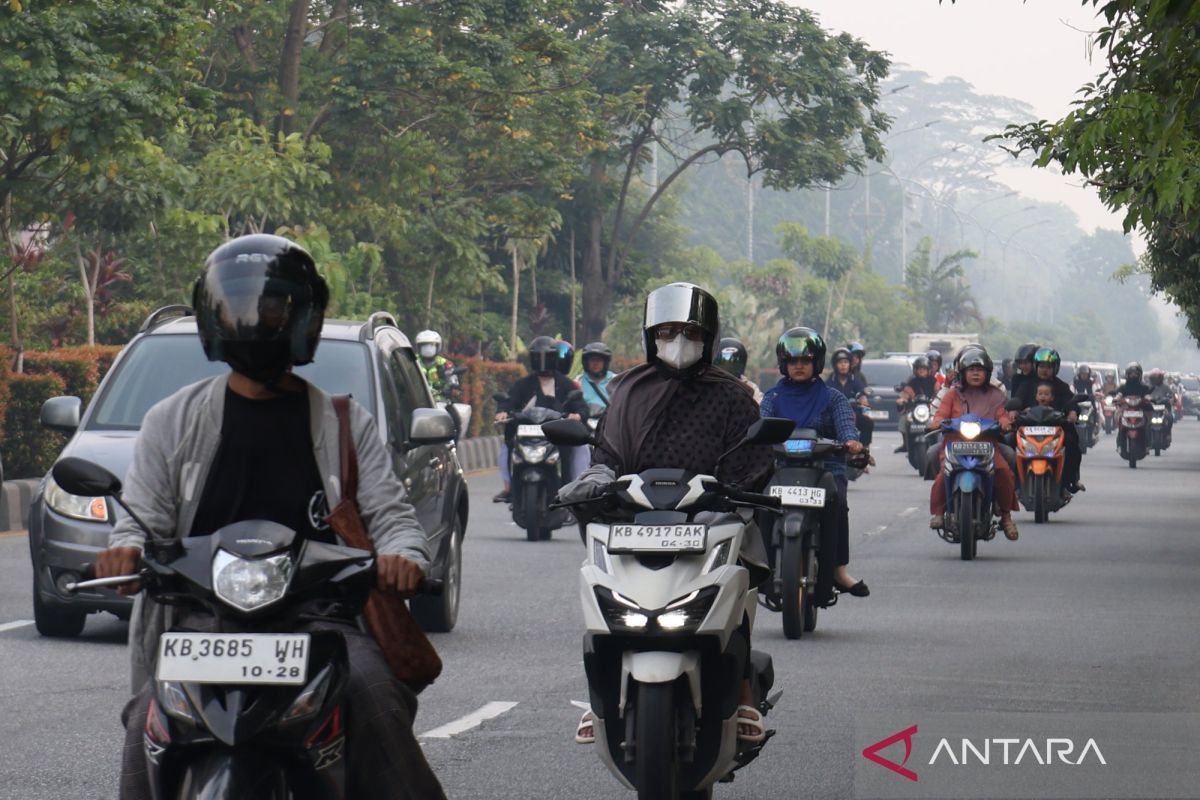
The Head of the Communication and Public Information Bureau at the Ministry of Health, Aji Muhawarman, stated that the trend of acute respiratory infection (ISPA) cases is linked to climatic factors, including drought. “ISPA cases increase every year and occur throughout the year, starting from the transition between the dry and rainy seasons, or vice versa,” Aji said in a written statement received in Jakarta on Friday. According to him, the public is generally more susceptible to illness when extreme environmental changes occur. He explained that the link between the dry season and ISPA incidence is influenced by air quality, though the relationship is indirect. One contributing factor is the increased occurrence of forest and land fires during these seasons, which produce air pollutants and degrade ambient air quality.
Aji further outlined preventive measures the public can take to avoid ISPA during the dry season, such as wearing masks when air pollution is high, implementing clean and healthy living behaviours, and avoiding sources of pollution and cigarette smoke. “Reduce outdoor activities and close ventilation in homes, offices, schools, and public places when air pollution is high; use indoor air purifiers,” he added. Aji stressed the importance of preparedness, noting that hot weather and dry air can increase the risk of dehydration and heat stroke, while dust, pollution, and fire smoke can worsen respiratory disorders. “The public, especially children, the elderly, and those with comorbidities, must be more cautious. We want health services to be ready before cases rise, not to act only after hospitals are full,” Aji said.
The Ministry of Health has anticipated the health impacts of the hotter and drier weather conditions. Hospitals, including the ministry’s vertical hospitals, have been prepared to handle emergency cases, including patients with heat stroke, respiratory problems, and the worsening of chronic diseases triggered by hot weather and poor air quality. Aji also noted that compared to data from the same period last year, the ISPA case trend is still following the annual pattern and has tended to decline in the last three weeks of reporting. Based on Ministry of Health data, 15.4 million ISPA cases were reported in 2025 up to August, while 15.6 million cases were recorded in the same month of 2026. “The provinces reporting the most ISPA cases are those on Java Island. This proves that densely populated areas report more ISPA cases compared to provinces affected by forest and land fires,” he said. Aji stated that ISPA case numbers are quite high in the ministry’s surveillance system, but the high figures cannot be directly attributed solely to the prolonged dry season. “We need to be careful, because not all ISPA cases can be directly linked to the prolonged dry season. So we continue to monitor the trend and its distribution,” Aji said. He added that Ministry of Health data recorded a total of 676,404 ISPA patient visits to hospitals from January to July 2026, with the average change in visits during that period showing a decrease of 0.6 percent.
Source: jawawa.id (https://jawawa.id/newsitem/health-ministry-outlines-prevention-strategies-for-respiratory-infections-during-dry-season-1786729932)
Originally published by Antara (Indonesian) (https://www.antaranews.com/berita/5695453/kiat-menanggulangi-penyakit-ispa-di-musim-kemarau), translated from Indonesian