
Health Ministry: One Million Previously Healthy People Detected with Hypertension in 2026 Free Health Screening
Through the Free Health Screening (CKG) 2026, the Ministry of Health detected around one million new hypertension cases from re-examinations of 9.2 million participants who had been recorded as healthy the previous year.
In addition to new cases, the ministry recorded that of 1.3 million CKG participants with prehypertension status who were re-examined, 247,000 people now have hypertension. A similar pattern occurred in diabetes cases: of 8.3 million participants who were re-examined, 188,000 people were detected with new diabetes, and 16,000 prediabetes participants progressed to diabetes.
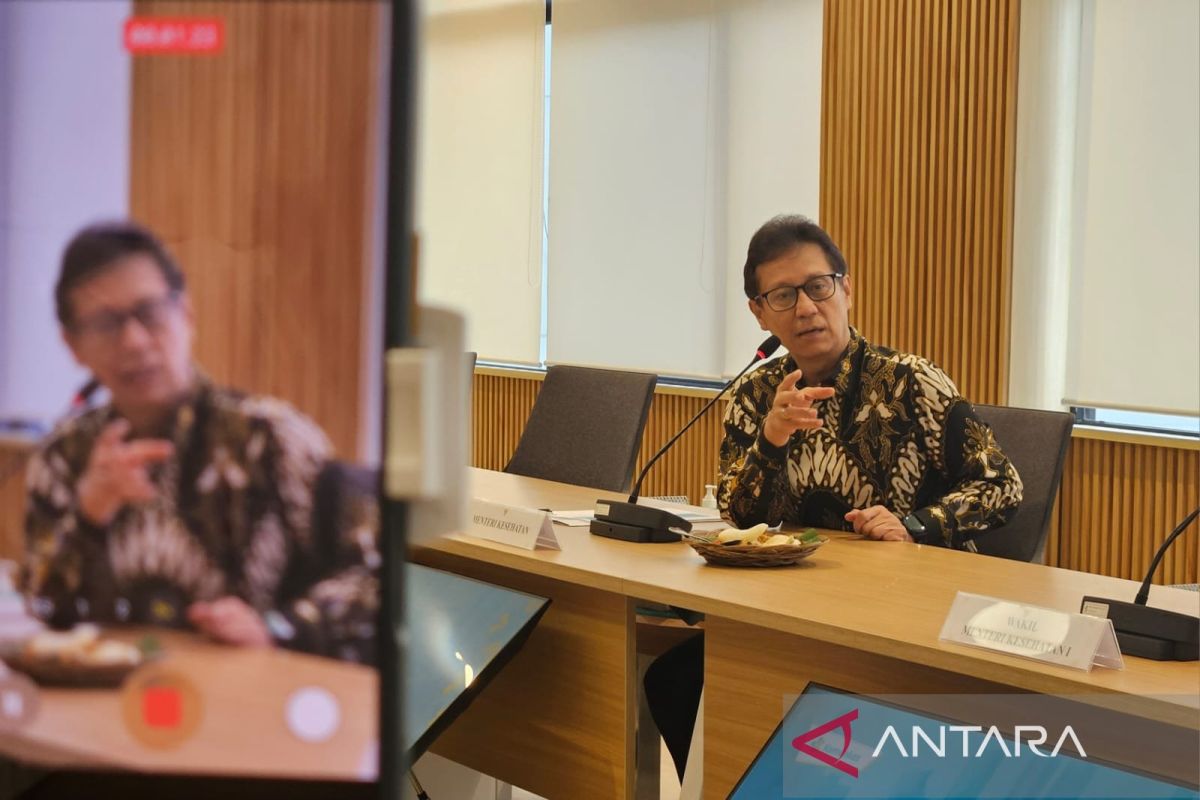
Health Minister Budi Gunadi Sadikin said in Jakarta on Thursday that this shows the need for the public to take part in CKG every year, even if they feel healthy.
“Through the Free Health Screening, we hope diseases can be detected more quickly so they can be treated immediately. Do not wait until complaints or complications arise,” he said.
Budi added that most non-communicable diseases (NCDs), including hypertension and diabetes, do not show clear early symptoms. Therefore, regular check-ups are crucial for detecting diseases and risk factors before they develop into fatal complications such as stroke, heart disease, and kidney failure.
“The message is simple: do the Free Health Screening every year. Good examination results last year do not mean our health condition remains the same this year,” said Endang.
However, she said, CKG also recorded the positive impact of disease control. Of 2.4 million hypertension sufferers who returned for check-ups, 1.1 million people managed to control their blood pressure to a normal range.
“A similar outcome was experienced by 235,000 diabetes sufferers out of a total of 340,000 people who underwent follow-up monitoring,” she said.
Meanwhile, Deputy Health Minister Dante Saksono Harbuwono explained that the CKG stages always begin with anamnesis, namely an in-depth medical interview regarding complaints, disease history, and risk factors of participants.
“Anamnesis helps determine whether someone requires further examination and the appropriate type of service. That way, treatment can be provided more precisely,” said Dante.
Public health expert from the University of Indonesia, Dr. Iwan Ariawan, added that the success of CKG depends on participant follow-up. Examination results must be responded to with lifestyle changes, routine medication, or medical referrals.
To expand coverage, the Ministry of Health is encouraging the public to utilise CKG services at the nearest community health centre (Puskesmas) and supporting regular health check-ups for children in schools.