
Health Ministry: ISPA cases in 2026 reach 400,000 per week, forest fires having impact
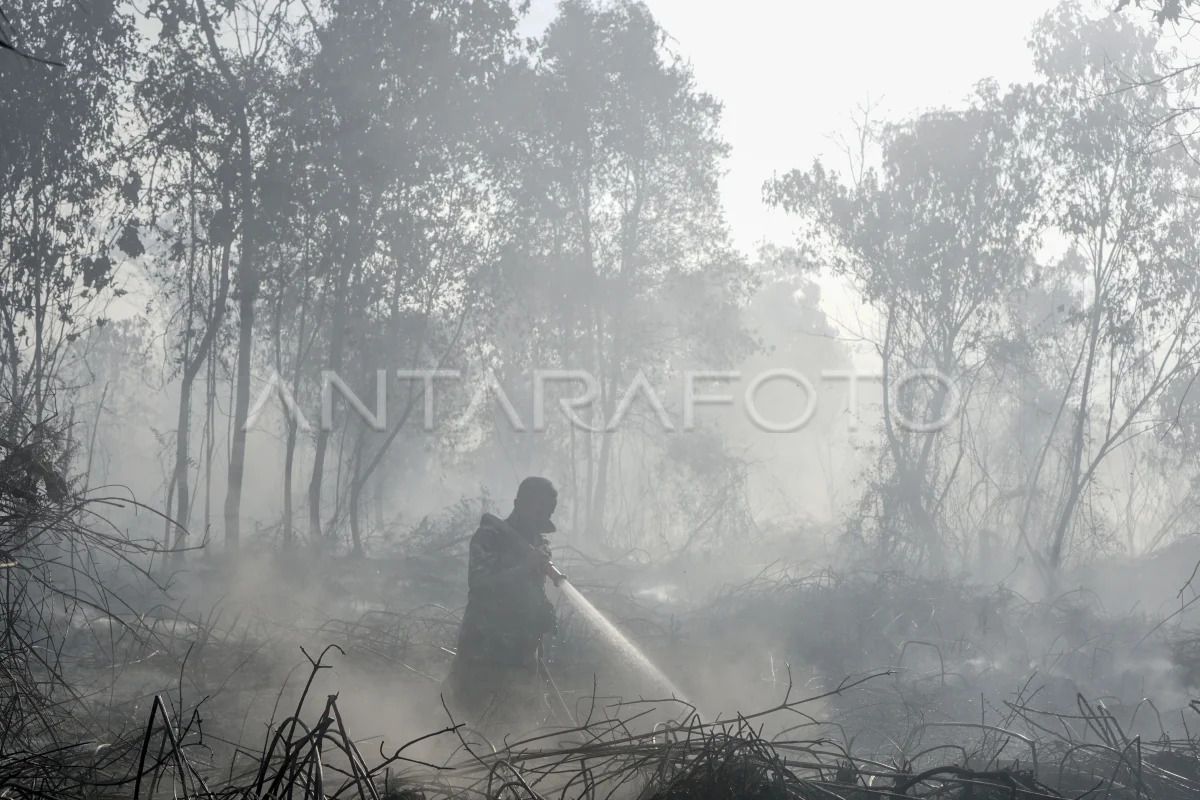
Jakarta (ANTARA) - The Ministry of Health has stated that entering the early dry season, namely weeks 27-31 of 2026, cases of acute respiratory infection (ISPA) show an increasing trend, reaching more than 400,000 cases per week.
The increase in cases is higher compared to the same week in 2025.
“Looking at the trend, one of the main factors is the onset of the dry season. Land and forest fires (karhutla) are also having an impact,” said Aji Muhawarman, Head of the Bureau of Communication and Public Information at the Ministry of Health, in Jakarta on Friday.
He explained that the ISPA trend in 2026 is generally higher than in 2025. The peak of the dry season occurs in weeks 32-44, and it can be seen that cases in those weeks in 2025 showed a relatively high and consistent trend. In week 32 of 2025, there were around 300-350 thousand cases, which then increased to nearly 400 thousand cases by week 44.
His office noted that in 2026, in week 30 there were around 400 thousand cases, while in week 31 the number decreased slightly.
“The dry season in Indonesia occurs gradually across regions, with most areas predicted to reach the peak of the dry season in July-August 2026,” said Aji.
In addition, he said, the increase in ISPA cases occurs during the rainy season or cold season, when temperatures are lower and humidity is high.
If influenza and COVID-19 vaccination coverage is low, the risk of infection increases, especially in vulnerable groups such as children and the elderly.
On that occasion, he also mentioned that as of 17 August 2026, a total of 90 health workers and various health logistics assistance had been deployed to respond to health disruptions caused by land and forest fires in several regions across the country.
The health workers consist of, among others, doctors, nurses, pharmacists, midwives, nutritionists, ambulance drivers, sanitarians, and epidemiologists.
He stated that the health workers were sent to areas affected by land and forest fires, namely 40 to South Kalimantan, four to Riau, 27 to Central Kalimantan, nine to West Kalimantan, five to Jambi, and five to East Kalimantan.
Furthermore, logistical assistance for these areas includes 267,630 masks, 54 oxygen concentrator units, 1,000 pairs of gloves, 36 Oxycan canisters, 33 boxes of supplementary food (PMT), 40 face shields, and eight sets of personal protective equipment (PPE).
“Practise clean and healthy living behaviour (PHBS) every day. Consume nutritious food, wash hands with soap and water, get enough rest, and avoid smoking,” he said.
He also reminded the public to limit outdoor activities when the air is smoky or dusty. If it is necessary to go outside for activities, use a mask that properly covers the nose and mouth, and close doors and windows when smoke is thick.
“Protect vulnerable groups. Infants, toddlers, pregnant women, the elderly, as well as people with asthma, lung disease, or heart disease should avoid exposure to smoke and immediately consult a health professional if symptoms worsen,” he said.
He also urged the public to maintain environmental and water cleanliness. Ensure that drinking water and food remain clean, and carry out 3M Plus so that water storage containers do not become mosquito breeding grounds during the dry season.
“Recognise the symptoms of ISPA and immediately seek examination at the nearest health facility. Do not delay seeking treatment if you experience a cough that does not improve, shortness of breath, high fever, chest pain, or other troubling complaints, especially in at-risk groups,” he said.
Source: jawawa.id (https://jawawa.id/newsitem/health-ministry-ispa-cases-in-2026-reach-400-000-per-week-forest-fires-having-impact-1787298907)
Originally published by Antara (Indonesian) (https://www.antaranews.com/berita/5704839/kemenkes-ispa-2026-tembus-400-ribu-per-minggu-karhutla-berdampak), translated from Indonesian