
Health Ministry Highlights New Leprosy Cases with Grade 2 Disability
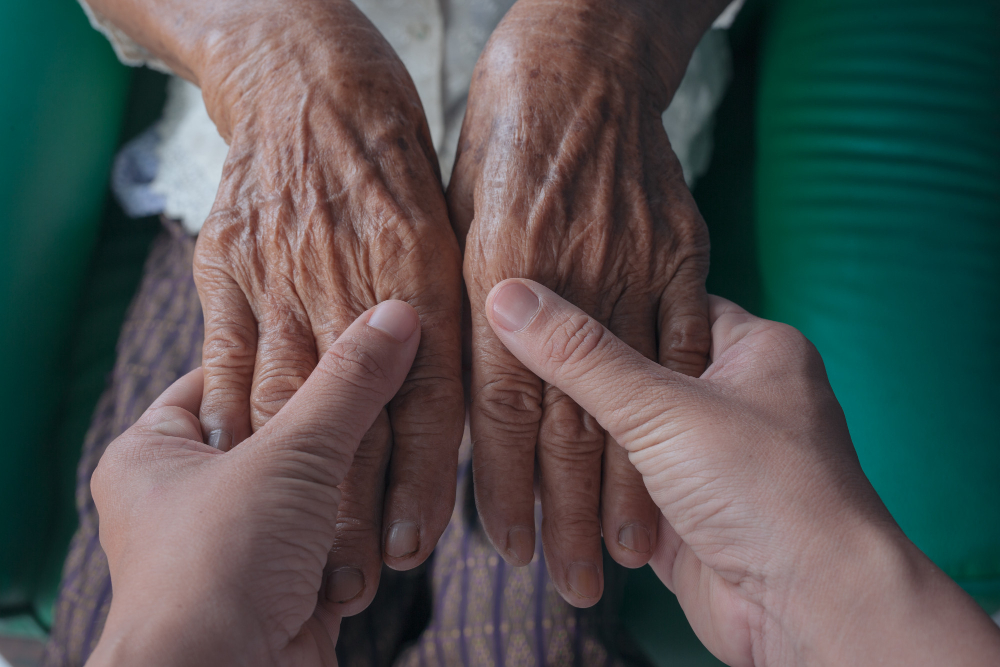
Acting Director General of Disease Control at the Ministry of Health, Andi Saguni, said that new leprosy cases are still being found each year in which patients already suffer grade 2 disabilities. Cases have also been detected among children, indicating a continuing need to strengthen early detection and access to quality healthcare services.
At the same time, stigma towards people who have had leprosy remains an obstacle to achieving an inclusive and dignified life. The Indonesian government has committed to the WHO’s global target of Towards Zero Leprosy, which encompasses zero transmission, zero disability and zero stigma by 2030.
“The path towards 2030 requires extraordinary acceleration over the next five years. Therefore, the government continues to strengthen leprosy control efforts through enhanced surveillance, active case finding, contact examination, improved quality of diagnosis and management, capacity building for health workers, and the use of data as a basis for decision-making,” said Andi at the 2026 National Leprosy Conference in Jakarta on Thursday (9/7).
However, the success of these efforts depends heavily on programme implementation at the regional level. Andi stressed that regional governments, through their health offices, play a strategic role in translating national policy into effective implementation, including ensuring funding support, human resources, logistics and quality health services.
“Meanwhile, leprosy supervisors, who are one of the most effective frontline forces in the regions, play a role not only as technical guidance spearheads but also in supervision, monitoring and evaluation, as well as building the capacity of health workers to guarantee the quality of programme implementation in the field,” said Andi.
Leprosy is one of the oldest diseases in the history of human civilisation and remains a significant global public health challenge to this day.
Although the world has made great progress since the WHO introduced multidrug therapy, leprosy has not yet been fully eliminated.
At the global level, leprosy is disproportionately concentrated in a number of developing countries, and Indonesia occupies third place in the world with the highest leprosy disease burden after India and Brazil.
“Indonesia’s position among the top three in the global leprosy burden demands deep reflection on the effectiveness of the strategies that have been pursued so far,” he concluded.
President Prabowo Subianto has given his full support to the Sasakawa Foundation’s commitment to efforts to eliminate leprosy in Indonesia.
Leprosy management cannot be viewed solely from a medical perspective. Social factors have a major influence on the success of controlling the disease.
Health Minister Budi Gunadi Sadikin said the government is undertaking various efforts to accelerate leprosy elimination, one of which is incorporating it into the CKG programme.
Indonesia still ranks among the top three countries with the highest number of leprosy cases in the world.
Elimination efforts in Indonesia still face various challenges, ranging from delayed early detection to social barriers in the form of stigma and discrimination.
Source: jawawa.id (https://jawawa.id/newsitem/health-ministry-highlights-new-leprosy-cases-with-grade-2-disability-1783590625)
Originally published by Media Indonesia (https://mediaindonesia.com/humaniora/909158/kemenkes-soroti-kasus-baru-kusta-dengan-kondisi-kecacatan-tingkat-2), translated from Indonesian