
Health Ministry Extends Post-Earthquake Handling in NTT by Two Weeks
Emergency post-earthquake handling in East Nusa Tenggara (NTT) has been extended by two weeks. The Ministry of Health (Kemenkes) has confirmed that medical handling will continue until 12 September 2026.
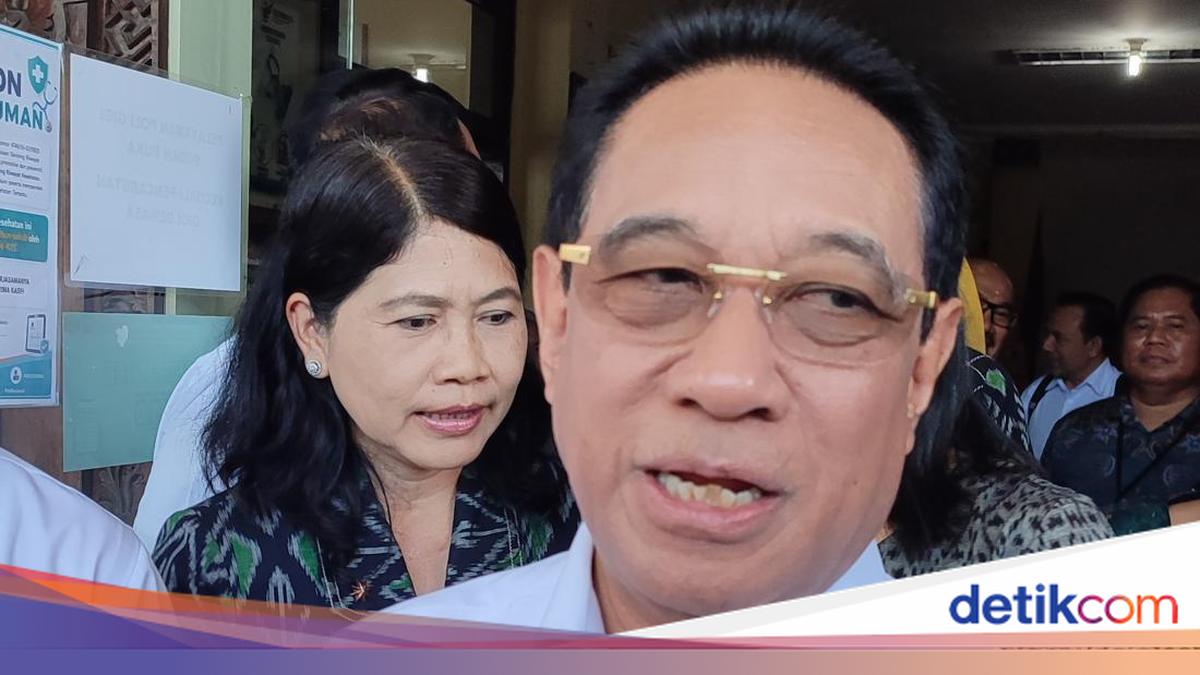
“Until now, the emergency period has been extended by two weeks. It was due to end on the 28th (August), and has been extended until 12 September,” said Deputy Health Minister (Wamenkes) Benjamin Paulus Octavianus when met by detikBali at Prof IGNG Ngoerah General Hospital, Sanglah, Denpasar, Bali, on Friday (28/8/2026).
Benjamin said that assistance, including emergency hospitals, would continue to be provided throughout the handling period. Medical personnel from the Ministry of Health have also been extended until 12 September.
“All medical personnel remain from the Ministry of Health, extending the emergency period until 12 September,” he continued.
Regarding the number of medical personnel deployed, Benjamin could not yet confirm. “I don’t have the figures memorised,” he added.
In addition to ensuring post-earthquake handling, Benjamin said President Prabowo Subianto’s programmes in the health sector continue to be promoted, including the equitable distribution of hospitals and medical equipment to remote areas.
He noted that there are still 66 regencies in Indonesia that do not have a Regional Hospital (RSD) and rely solely on community health centres (puskesmas). Going forward, 441 RSDs will be built to provide equal healthcare services.
Benjamin also highlighted tuberculosis (TBC) handling, which he considers still too focused on the downstream side, namely finding and treating patients who are already ill.
“So far, TBC handling in Indonesia has been assessed as being only at the downstream level (active case finding), and treatment of patients who are already ill is above 90 percent, so prevention at the upstream level is weak,” he explained.
He cited the example of TBC case finding in Banten reaching 119 percent and treatment above 90 percent. However, TBC cases still reached 50,000.
“In Banten, for example, case finding reached 119 percent and treatment was above 90 percent. But next year the cases will still be 50,000. What does that mean? Downstream we are excellent, but upstream prevention is poor. If we do not change our way of working, how long will it take to eradicate TBC,” Benjamin said.
According to him, prevention must begin at the household level of active TBC patients. People living in the same house as a patient are required to undergo examination and receive preventive medication.
“If they are ill, they are treated immediately; if they are not ill, they are given preventive medication immediately. That is why X-ray machines are being sent to puskesmas, and preventive medicines are being sent to various regions,” he added.
“That is why we are now improving prevention. Otherwise, TB cases will not decline. Our target is that by 2029, cases must fall by 50 percent,” Benjamin concluded.