
Health Ministry: Equitable Access Protects Vulnerable Groups with TB-HIV
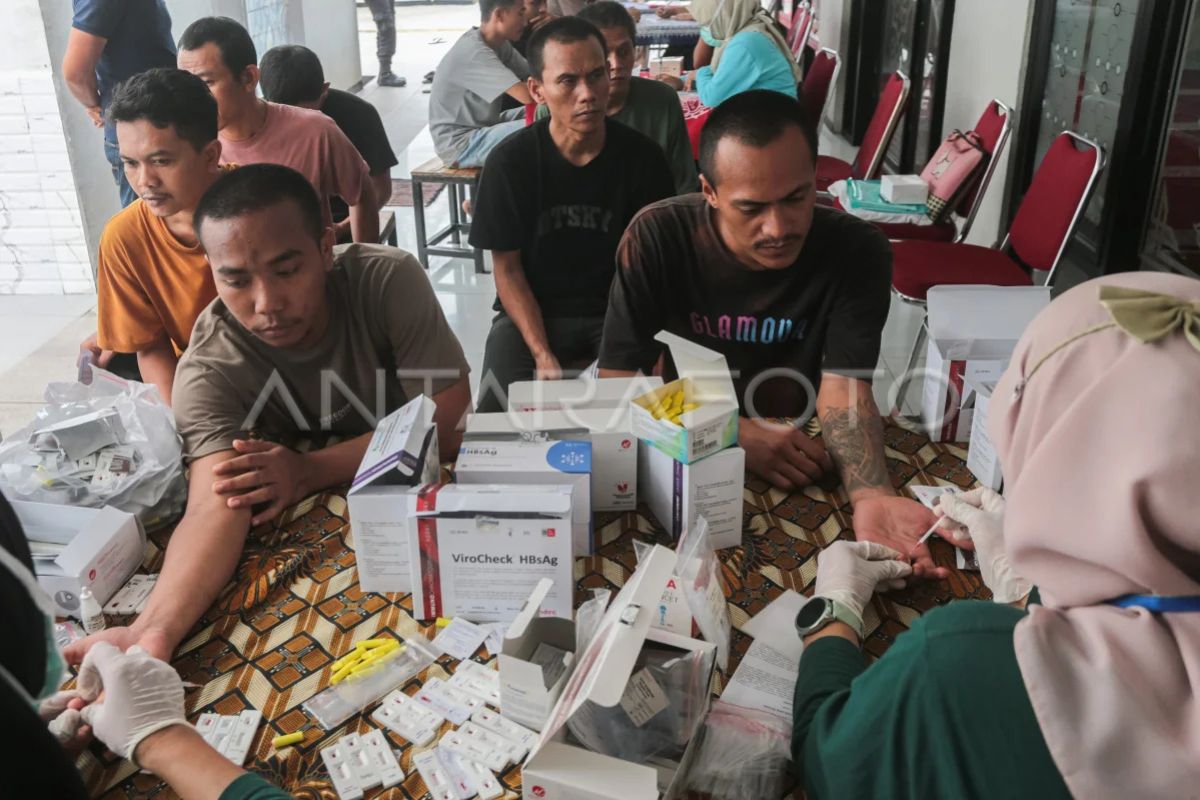
The Ministry of Health (Kemenkes) has stated that equal and fair healthcare services are essential to ensure proper treatment for vulnerable groups with tuberculosis (TB) and/or HIV.
"These vulnerable groups face structural barriers, stigma, and even violence, which make access to healthcare difficult or dangerous," said Imran Pambudi, Director of Health Services for Vulnerable Groups, in Jakarta on Sunday.
He explained that the success of antiretroviral therapy has extended life expectancy, resulting in a growing number of people with HIV (PLHIV) entering old age. In Indonesia, approximately 7.7 per cent of PLHIV are over 50 years old, or around 39,000 people out of a total of more than 500,000.
"This figure is expected to continue rising until 2030. However, our health services are being continuously prepared to address and face the complexity of comorbidities in the elderly, such as cardiometabolic diseases, cognitive impairment, osteoporosis, and complex drug interactions," he said.
He noted that elderly people with HIV currently often have to move from one clinic to another to receive ART, diabetes management, hypertension treatment, and cardiovascular examinations. According to Imran, this fragmentation of services risks increasing the cost and time burden, as well as raising the risk of patients discontinuing treatment.
Furthermore, he said, TB in the elderly is a substantial and growing burden. A global analysis shows that in 2023, people aged 65 and over accounted for 21 per cent of all TB cases and 23 per cent of TB deaths.
"The number of cases in this group has increased since 2000, a trend occurring even though overall TB incidence has declined in some regions. TB in the elderly also demands special attention," he said. He mentioned that the symptoms are often atypical, making them easily mistaken for signs of ageing or other chronic diseases.
This condition can potentially lead to delayed diagnosis and continued transmission. Moreover, nearly 40 per cent of elderly people in Indonesia live in three-generation households, meaning they can become a primary source of transmission for children in the home. Imran added that the elderly are more vulnerable to the side effects of TB drugs and require intensive monitoring.
In Indonesia, active detection strategies at elderly integrated health posts (posyandu lansia), nursing homes, and primary care services must be strengthened, accompanied by training for health workers to recognise TB in old age and manage polypharmacy safely.
He said community-based services have proven more effective at building trust, increasing case finding, and improving treatment retention. Therefore, the government and partners must acknowledge the vital role of communities, provide sustainable funding, and ensure a stable supply chain and data.
Furthermore, he said, health facilities, educational materials, and referral systems must be inclusive for persons with disabilities. This means ensuring physical access to clinics, providing information in disability-friendly formats, and training health workers to communicate with empathy.
Consequently, he said, service integration is key. HIV and TB clinics must be connected with mental health services, non-communicable disease management, social protection, and rehabilitation. An integrated service model can reduce the patient burden while improving clinical outcomes.
At the policy level, he said, financing must be directed to support patient-centred, community-led service models. Quality-of-life indicators, Imran said, such as retention in care, viral suppression in the elderly, reduction in gender-based violence, and access to services for persons with disabilities, must become the main benchmarks.
According to him, Indonesia possesses strong social capital and community networks. The challenge is how to transform this capital into policies and practices that reach those who are most vulnerable.
"If we place people at the centre of the HIV and TB response, we not only lower case numbers but also restore dignity, health, and life expectancy for every person, without exception," he said.