
Health Ministry: Child Protection from Digital Addiction Must Start with Families
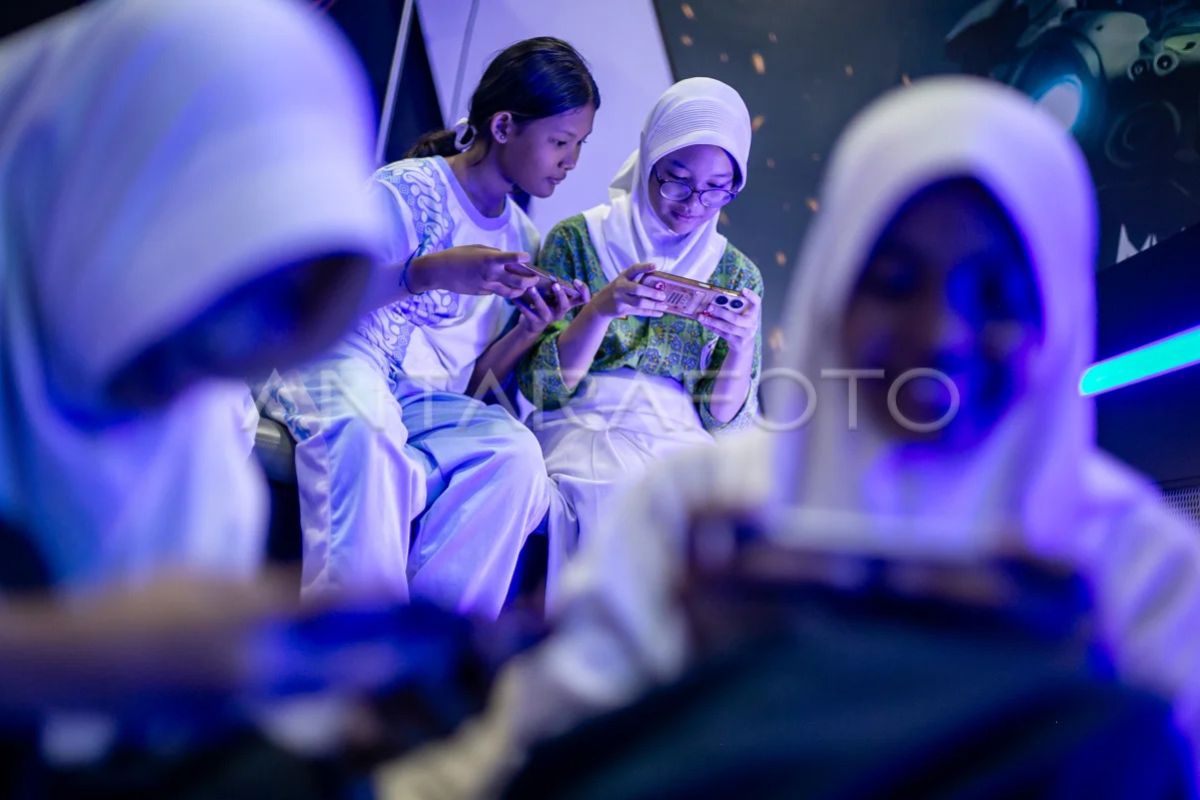
The Ministry of Health has emphasised that National Children’s Day is a crucial moment to strengthen the family’s role in fulfilling the rights and protecting Indonesian children and adolescents, including from the dangers of digital addiction to mental health.
Director of Health Services for Vulnerable Groups at the Ministry of Health, Imran Pambudi, stated that the internet has become an inseparable part of Indonesian life. In 2024, there were 221.56 million internet users with a penetration rate of 79.5 percent, and around 28.2 percent of them actively play online games.
“These figures indicate significant opportunities as well as real risks, especially for adolescents who are the most active in the digital world,” Imran Pambudi said in Jakarta on Saturday.
He explained that adolescents are more psychologically vulnerable because they are in a period of identity searching, fluctuating emotions, and peer pressure. Exposure to content that triggers social comparison, performance expectations, or addictive game designs can increase the risk of overthinking, anxiety, and sleep disorders.
“National data shows that mental health issues require attention. The 2022 INAMHS survey reported that 34.9 percent of adolescents experienced mental health problems in the last 12 months, and 5.5 percent met the criteria for clinical disorders, a figure that demands a systemic response,” he said.
He explained that a step that can be taken now without waiting for policy changes is prevention through digital literacy. This includes educating children to understand content quality, setting usage time limits, and recognising game designs that provoke excessive attachment.
“Secondly, early detection. Parents and teachers need to be sensitive to signs such as declining academic performance, sleep disturbances, mood changes when access is restricted, or withdrawal from family interaction,” he said.
The third step is tiered intervention, ranging from limiting screen time and arranging healthy routines to referral to mental health services if symptoms do not improve.
“Parents must be role models in using devices, establish joint rules such as a maximum of 1-2 hours per day for gaming, and open dialogue without judgement, such as asking what games are played, who their online friends are, and what their experiences are like,” he said.
Furthermore, schools must provide safe spaces and counselling services, and incorporate digital literacy and mental health into the curriculum. Meanwhile, the government and health services need to strengthen screening and referral platforms and allocate adequate budgets.
He also stressed the importance of providing parental control features, time limit reminders, and game designs that minimise addictive potential to help reduce risks.
“If a child plays for more than 3-4 hours a day or shows risk signs, immediately conduct an initial screening and consider professional consultation. Utilise official services such as DARA for initial consultation and SATUSEHAT Mobile for self-screening,” Imran said.
Source: jawawa.id (https://jawawa.id/newsitem/health-ministry-child-protection-from-digital-addiction-must-start-with-families-1784951543)
Originally published by Antara (Indonesian) (https://www.antaranews.com/berita/5665401/kemenkes-perlindungan-anak-dari-bahaya-digital-dimulai-dari-keluarga), translated from Indonesian