
Health Minister Urges Public Not to Panic and to Remain Vigilant Against Anak Krakatau Volcanic Ash
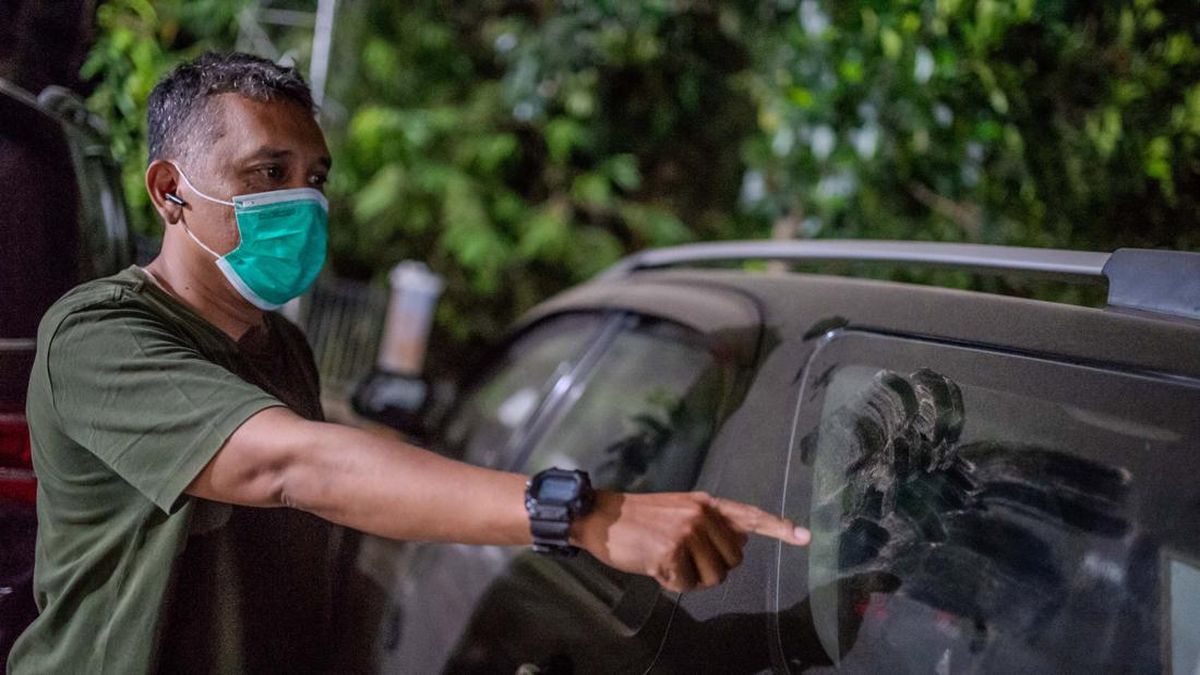
Health Minister Budi Gunadi Sadikin has urged the public in areas affected by the dispersal of volcanic ash from Mount Anak Krakatau (GAK) to reduce outdoor activities.
The spread of volcanic ash due to the eruption of Anak Krakatau has reached several regions, including Banten, DKI Jakarta, West Java, Lampung, and Bengkulu. This situation requires residents in the affected areas to be wary of the risks of ash exposure to their health.
Budi stated that volcanic ash can disrupt respiratory health, eyes, and skin. Therefore, the public is requested to use protection if they must engage in activities outside the house.
“From the Ministry of Health’s perspective, we advise the public not to panic. To avoid panic, there are three things we must protect together,” said Budi during an online press conference on Sunday (6/9).
“First, from a health perspective, there are three impacts of this volcanic ash that we must guard… Respiratory, eyes, and skin are the areas where health problems can occur due to the presence of this volcanic dust,” Budi explained.
“To protect respiratory health… try to conduct activities indoors. If you must go outside, ensure you wear a mask,” Budi said.
“If you feel respiratory discomfort, immediately go to the nearest community health centre (Puskesmas); we have already deployed nebulisers and oxygen concentrators,” he continued.
Groups considered more vulnerable to respiratory disturbances, such as children, the elderly, and individuals with a history of respiratory issues, are advised to increase their vigilance.
In addition to respiration, volcanic ash can also cause itchy and irritated eyes. Therefore, residents who must be active outdoors are requested to wear glasses.
“Because this dust contains particles, it can cause itchy and irritated eyes. How to prevent it? As mentioned, number one: if there are no activities requiring you to go out, try to stay indoors. But if you must go out, try to wear glasses. Use glasses so that the dust is somewhat blocked from entering our eyes,” he said.
“If the dust does enter, make sure not to rub your eyes. Clean them with water and immediately go to the Puskesmas, as we have provided eye drops to all community health centres,” Budi continued.
Budi also requested that residents experiencing skin complaints after exposure to volcanic ash seek immediate treatment. If complaints persist, residents are advised to examine themselves at the nearest health facility.
Ash particles can adhere to the skin and potentially cause irritation. The process of cleaning the body must also be done carefully, as some ash particles may have sharp edges.
“Third is the skin. Because this dust will impact the skin, please ensure, ladies and gentlemen, that if you do not need to go out, stay indoors,” he said.
“But if you have been exposed, ensure that upon returning home, you clean yourself with water. Clean carefully with water because some particles may be sharp. Clean with care,” he said.
“If there are impacts such as itching or skin discomfort, you can go to the Puskesmas; we will deploy skin ointments to the health centres,” he added.
The Ministry of Health has also activated all health emergency operating centres to monitor the situation in the affected areas. The Ministry will issue a circular containing guidelines for health workers in the affected regencies and cities, and will conduct routine monitoring alongside local Health Offices.
“We will immediately hold a routine Zoom meeting between the Ministry of Health’s health emergency centre and the Health Offices of all regencies and cities to monitor developments. Once again, do not panic. Stay at home and stay healthy,” said Budi.