
Health Minister Says 2026 Immunisation Budget Shortfall of Rp1 Trillion Due to Cuts
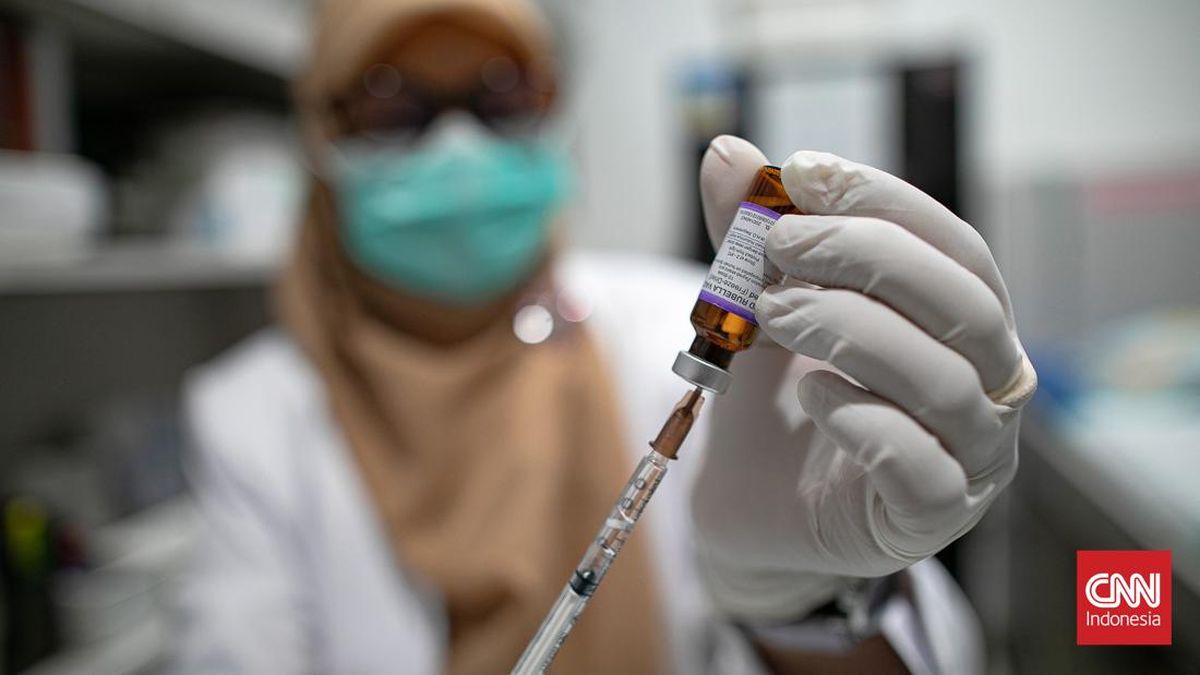
Health Minister Budi Gunadi Sadikin has disclosed that the budget for the national immunisation programme is short by approximately Rp1 trillion this year due to budget cuts. “For the 2026 gap itself, we still have a shortfall of Rp1 trillion, because it was cut previously,” Budi stated during a working meeting with House of Representatives Commission IX in Jakarta on Tuesday (23/6). He noted that the Ministry of Health is currently requesting additional funding to cover this need. “Mr Kunta (Secretary General of the Ministry of Health) is not here; the Secretary General is currently at the Budget Committee because we are asking for additional budget. One of the most important things is that for 2026 we were cut, and the cuts included the immunisation budget, the vaccination budget. Not the operational costs, just the vaccines themselves we are short. We are short around Rp1 trillion,” Budi explained. Budi detailed that the Ministry of Health has prepared an immunisation programme plan up to 2029 based on projected birth rates. The total budget requirement for the national vaccination programme through 2029 is Rp44.49 trillion, with a total projected shortfall of approximately Rp4.91 trillion. “We actually have a plan up to 2029, we have already submitted it to the Ministry of Finance and Bappenas; this is our immunisation programme plan,” he said. “Because this is routine, based on the number of births and so on. So there is still a gap of around Rp4.91 trillion until 2029,” he added. Beyond the budget issue, Budi mentioned that the Ministry of Health is implementing three strategies for the national immunisation programme. The first is ensuring that all immunisation service infrastructure is adequately available within the next two years. “If possible, within the next two years, the provision of immunisation service infrastructure should be completed. Like the cooling equipment, 100 per cent of the cold chain needs must be met,” he said. The second strategy is ensuring the vaccine supply cycle, from planning, procurement, and distribution to delivery to the public, runs smoothly each year. “The third important point, which previously was not a major focus but is now increasingly significant, is education. We must take this education strategy more seriously, because for some reason there are many people now who are anti-vaccine,” he stated.