
Health Minister Outlines Three Strategies for National Immunisation Programme Success
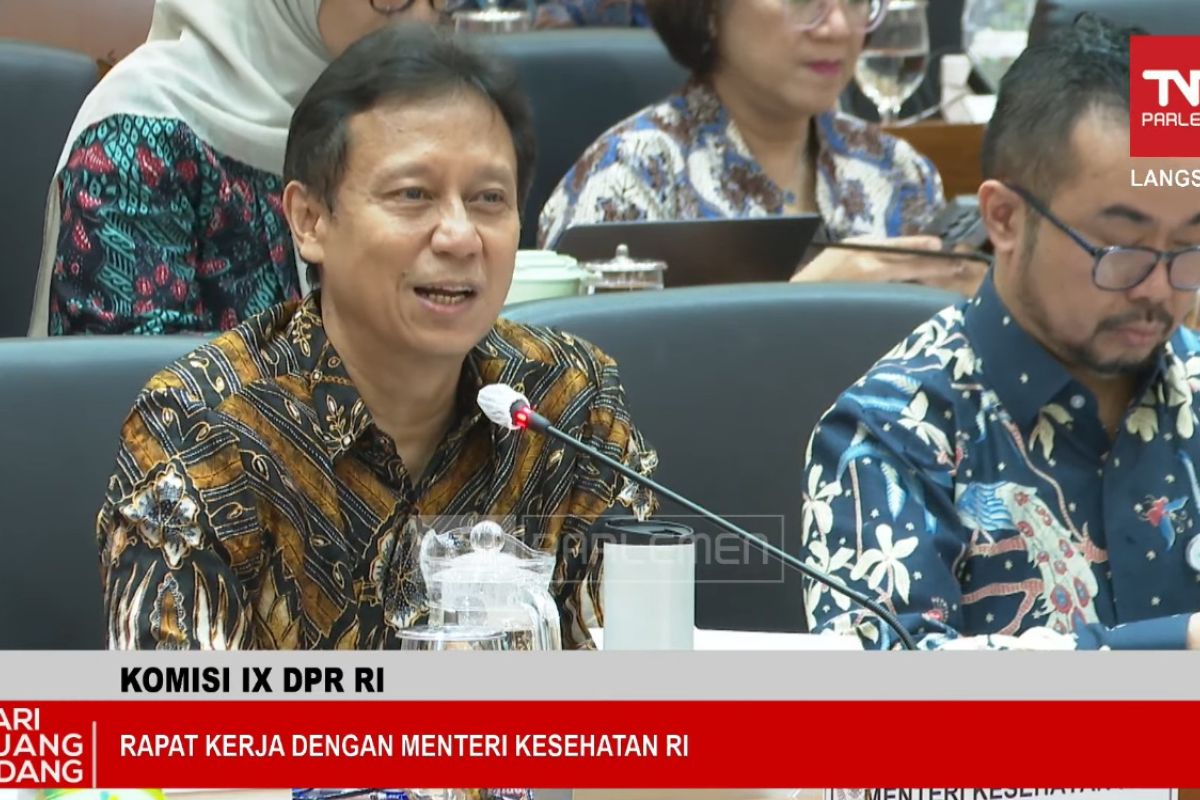
Health Minister Budi Gunadi Sadikin has outlined three key strategies to ensure all target groups receive complete immunisation during the 2025-2029 period: providing immunisation infrastructure, ensuring a smooth vaccine supply cycle from planning to delivery, and public education.
“The most important thing is we want to ensure that within the next two years, the provision of immunisation service infrastructure is complete, 100 per cent of cold chain needs must be met and this must be reviewed every year,” Menkes Budi Gunadi said during a meeting with the House of Representatives (DPR) in Jakarta on Tuesday.
He noted that many districts and cities still have inadequate vaccine infrastructure, with the most common obstacle being the lack of vaccine refrigerators. Procurement will be fulfilled through a loan from the World Bank and a grant from Danantara.
Regarding the vaccine supply cycle, the Ministry of Health, assisted by the United Nations Development Programme (UNDP), now has an application capable of tracking vaccine status, including delivery progress, expiration dates, and stock usage.
Menkes also highlighted the need for serious public education on the importance of vaccination, given the significant number of anti-vaccine individuals. According to the 2023 Indonesian Health Survey (SKI), the main reasons for not immunising include family prohibition, fear of Adverse Events Following Immunisation (AEFI), forgetting or not knowing the schedule, the child being ill, or feeling immunisation is unimportant.
To address these five reasons and broaden immunisation coverage, the ministry will create public education programmes using easily understood language. The ministry is collaborating with large community organisations such as Fatayat Nahdlatul Ulama (NU) and Muhammadiyah. Menkes also stressed the importance of educating fathers, as many do not permit their children to be vaccinated for various reasons and consider immunisation unnecessary.
Beyond these three strategies, efforts are also underway to improve information regarding immunisation schedules and to cooperate with the Ministry of Home Affairs (Kemendagri) to instruct regional heads to pursue immunisation targets. The Ministry of Health has recorded that total available funding for the immunisation programme from 2025 to 2029 amounts to Rp39.58 trillion, while the total estimated cost is Rp44.49 trillion.