
Health Minister: Indonesia Faces Doctor Shortage, Resulting in High Workloads
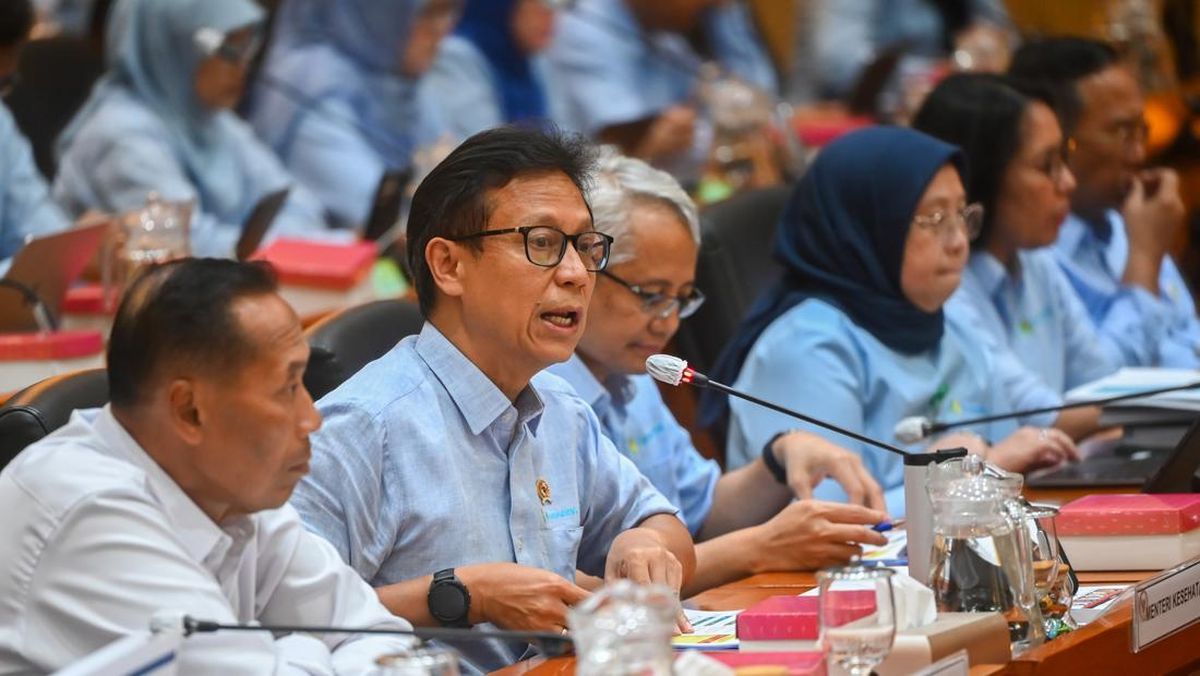
Health Minister Budi Gunadi Sadikin has stated that Indonesia is still experiencing a shortage of doctors, especially in remote areas. Budi said the doctor shortage is the main problem causing a high workload for health workers, from general practitioners and participants in the Specialist Doctor Education Programme to interns at health service facilities. “The first problem we see is that the workload of doctors is very heavy. So we often hear that interns are employed as replacements for existing doctors, PPDS participants work until the early hours, until dawn. The workload of doctors keeps them working until late at night,” Budi said during a working meeting with Commission IX of the Indonesian House of Representatives on Thursday (25/6). Budi mentioned that many community health centres still lack specialist doctors. He cited the conditions in Mamberamo Raya Regency, which were conveyed directly by the local district head to the Ministry of Health. “Recently we received a visit from the Regent of Mamberamo Raya; there is not a single specialist doctor there. There are zero dentists at its community health centres. Perhaps out of 17, 12 do not have a doctor. So the main problem is that we are indeed short of doctors, resulting in an extremely high workload,” he said. Budi said the doctor shortage can be observed using the Practice Licence indicator. According to Budi, many doctors still hold a Practice Licence for more than one practice location. “The easiest way to check the doctor shortage is that the Practice Licence is still at three. If the Practice Licence is three, it means the available number is only one-third of what is needed. If the number of doctors were sufficient, the Practice Licence would certainly be one, because they would be working in one place,” he said.