
Health Minister Assures Hantavirus Under Control Through Close Contact Monitoring
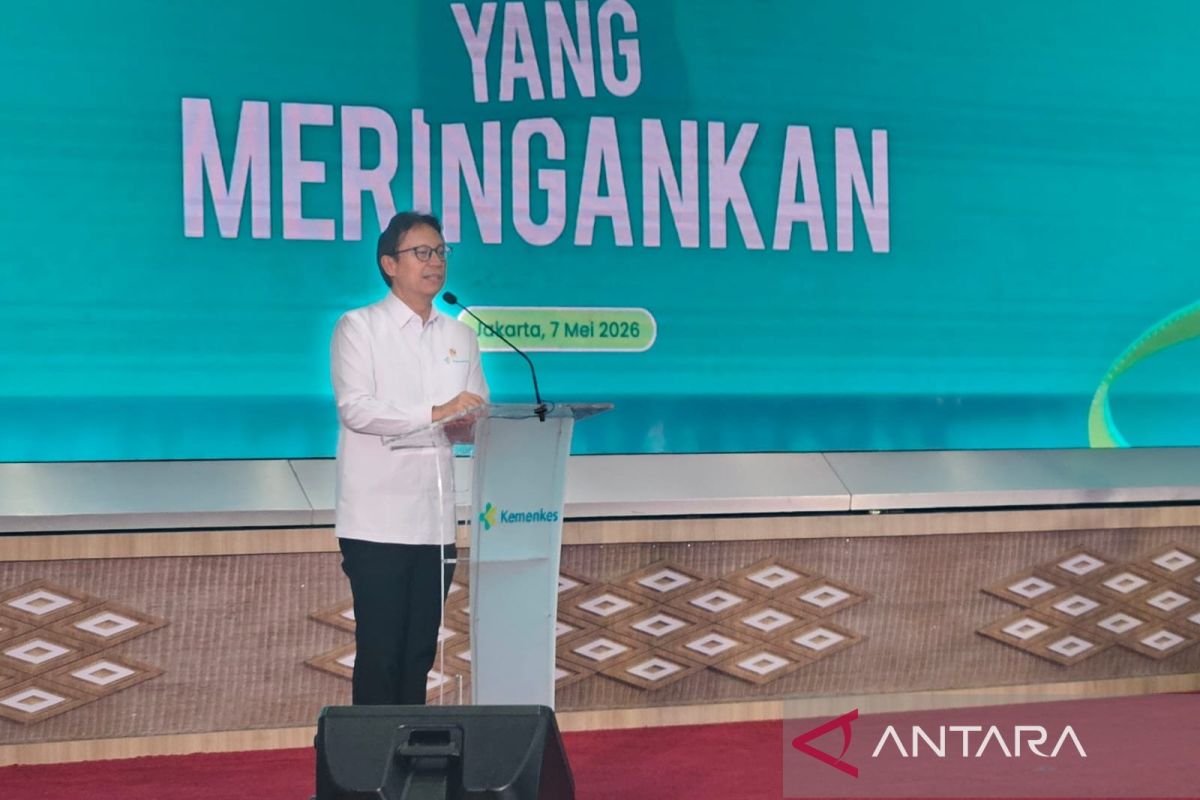
Jakarta (ANTARA) - Health Minister Budi Gunadi Sadikin has assured that the government is continuously and strictly monitoring the close contacts of the Hantavirus case in DKI Jakarta.
“We will monitor until we are truly certain and can confirm that the individual is safe,” he stated in a press release in Jakarta on Thursday.
Although it briefly captured public attention, his side emphasised that this virus is not easily transmitted between humans like COVID-19.
He explained that the case being handled originated from close contact with a foreigner who had been on a foreign ship.
The government acted swiftly after receiving information from UK health authorities on 7 May 2026.
The following day, on 8 May, the patient was successfully identified and immediately evacuated to the Prof Dr Sulianti Saroso Infectious Disease Hospital (RSPI) for isolation.
“Indonesia has become far better in terms of surveillance and international cooperation since the COVID-19 pandemic,” he said.
He noted that the Hantavirus variant circulating in Indonesia is the Asian variant, with a case fatality rate of between 5-15 per cent. This figure is much lower than the Andes variant in South America, which affects the lungs and has a mortality risk of 50-60 per cent.
“99 per cent of Hantavirus transmissions occur through rodents, not between humans,” he said.
The government urged the public not to panic and to maintain environmental cleanliness, particularly in preventing rodent breeding in homes, restaurants, and workplaces.
Acting Director General of Disease Control and Prevention at the Ministry of Health, Andi Saguni, stated that RSPI Sulianti Saroso was chosen as the isolation site because it is a specialised infectious disease hospital, allowing focused care for the patient.
Although WHO recommendations allow for home quarantine, he said, the government chose isolation in a healthcare facility as a precautionary measure.
Clinically, the disease caused by Orthohantavirus is generally transmitted through contact with rodents such as rats and shrews, either through bites or exposure to body fluids like saliva, urine, and faeces.
There are two main clinical manifestations, he said: Haemorrhagic Fever with Renal Syndrome (HFRS), which attacks the kidneys with an incubation period of 1-2 weeks, and Hantavirus Pulmonary Syndrome (HPS), which affects the lungs.
“To date, there is no specific treatment for Hantavirus, so management is carried out symptomatically and supportively based on the symptoms that appear,” he stated.
Source: jawawa.id (https://jawawa.id/newsitem/health-minister-assures-hantavirus-under-control-through-close-contact-monitoring-1778684063)
Originally published by Antara (Indonesian) (https://www.antaranews.com/berita/5567009/menkes-pastikan-hantavirus-terkendali-lewat-pemantauan-kontak-erat), translated from Indonesian