
Health Minister Assures BPJS Drug Prices Will Not Rise Amid Rupiah Weakening
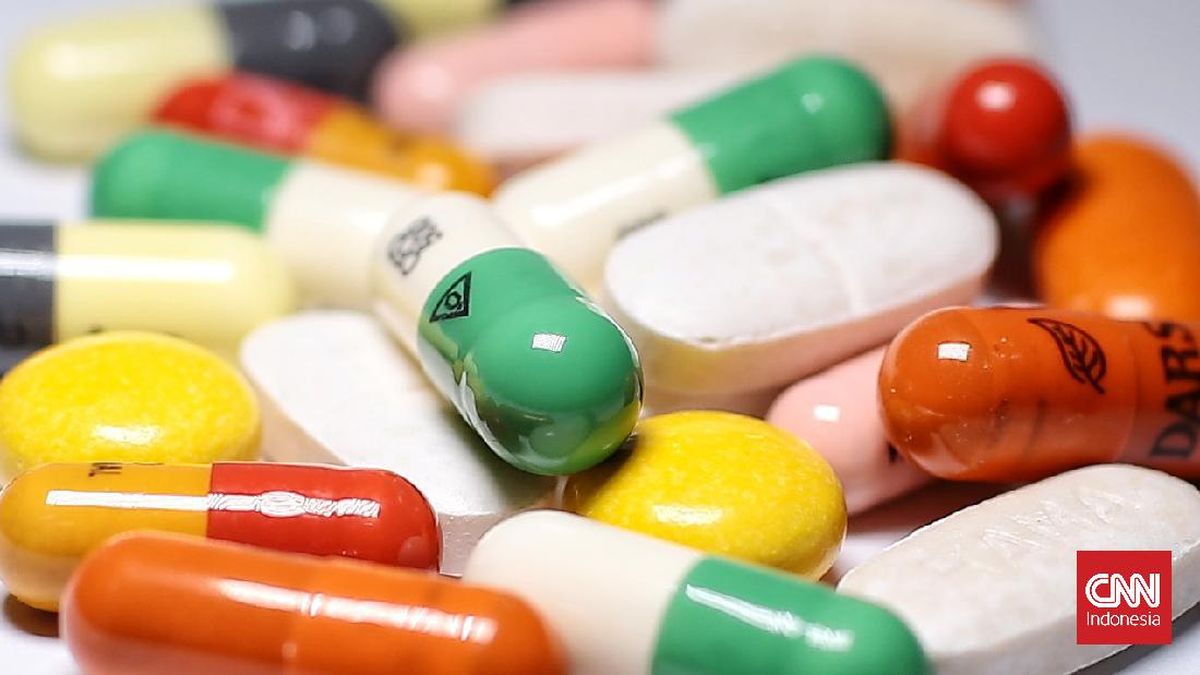
The Ministry of Health has assured that potential increases in drug prices due to fluctuations in the rupiah’s exchange rate against the US dollar and rising oil prices will remain within reasonable limits and will not spike sharply. Health Minister Budi Gunadi Sadikin confirmed that the prices of medicines under the National Health Insurance Programme (JKN), or BPJS, will not increase and will be maintained. “We have reviewed drug prices to see which increases are reasonable and which are not. For BPJS medicines, we have managed to keep them stable,” he said in a statement received in Jakarta on Saturday (13/6), as quoted from Antara. He explained that the rise in the dollar exchange rate does not automatically cause drug prices to increase by the same percentage, as most of the production cost components for domestic medicines are still denominated in rupiah. Therefore, the government has calculated the limit for reasonable price increases. An increase in the range of 10 to 20 per cent is still considered reasonable, while anything above that figure is deemed an attempt to take unilateral profit. “Ten to 20 per cent is still reasonable. But if it is above that, do not take advantage of the situation,” he said. Similarly, the Ministry of Health’s Director General of Pharmaceuticals and Medical Devices, Lucia Rizka Andalusia, stated that her office has coordinated with the pharmaceutical industry regarding the price calculations. Rizka confirmed that the highest price adjustment is capped at 20 per cent. “The maximum is 20 per cent. It depends on the type of drug; some only increase by 5 or 10 per cent. But it cannot exceed 20 per cent,” Rizka explained. Amid adjustments to commercial or non-BPJS drug prices, the government guarantees that the prices of medicines included in the National Health Insurance scheme will not be affected.