
Health Minister: AI Proposals Must Not Distract from Increasing Doctor Numbers
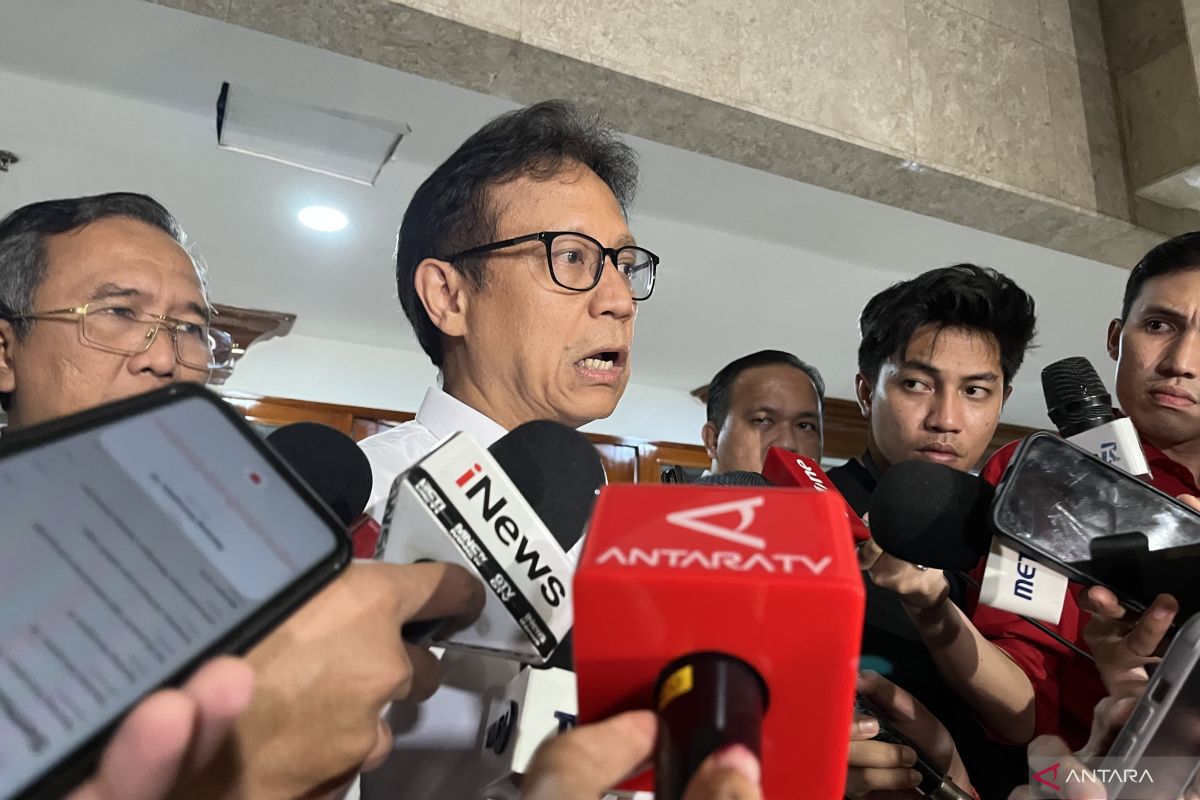
Health Minister Budi Gunadi Sadikin has stated that a legislator’s proposal to utilise artificial intelligence (AI) to help analyse patient conditions must not divert focus from the main priority, which is increasing the number of doctors. Speaking after a working meeting with House Commission IX at the Parliament Complex in Jakarta on Thursday, he said the fundamental problem that must be addressed is the shortage of doctors, especially in remote areas. “I think the main priority should be that first. Then, if it is later supplemented with telemedicine, AI, and other technologies, it must not divert our focus or attention from increasing the number of doctors and distributing them to the regions,” he said. According to Budi, doctors and medical personnel must ultimately see and touch patients to conduct an analysis. During the meeting, House Commission IX Deputy Chair Nihayatul Wafiroh proposed that AI be utilised to help address the doctor shortage. She suggested AI be used to analyse patient conditions. “Is it possible, Sir, in certain areas, that we could be assisted by AI, at least to help our patients analyse illnesses and so on? Just to bridge the gap,” she said. She admitted to being concerned about the distribution of doctors in Indonesia, which still does not meet the need. Moreover, she said, medical education differs from other education because it takes a long time. Therefore, Nihayatul put forward the idea of using AI to address the issue. “If we wait, it is impossible for the public to wait until they graduate. So, is it possible, with existing technology, that we can replace the physical presence of a doctor with something else? Although it certainly will not be optimal, but perhaps for certain diseases,” she said. She also touched on the success of remote surgery implementation. “Because Mr Minister, some time ago you also performed remote surgery, didn’t you, Sir? That remote surgery was also extraordinary. If that can be done with remote examinations in certain areas where there are no doctors, that could also be one of the solutions,” she said.