
Health Minister: ACT Initiative Can Address Indonesia’s Healthcare Access Challenges
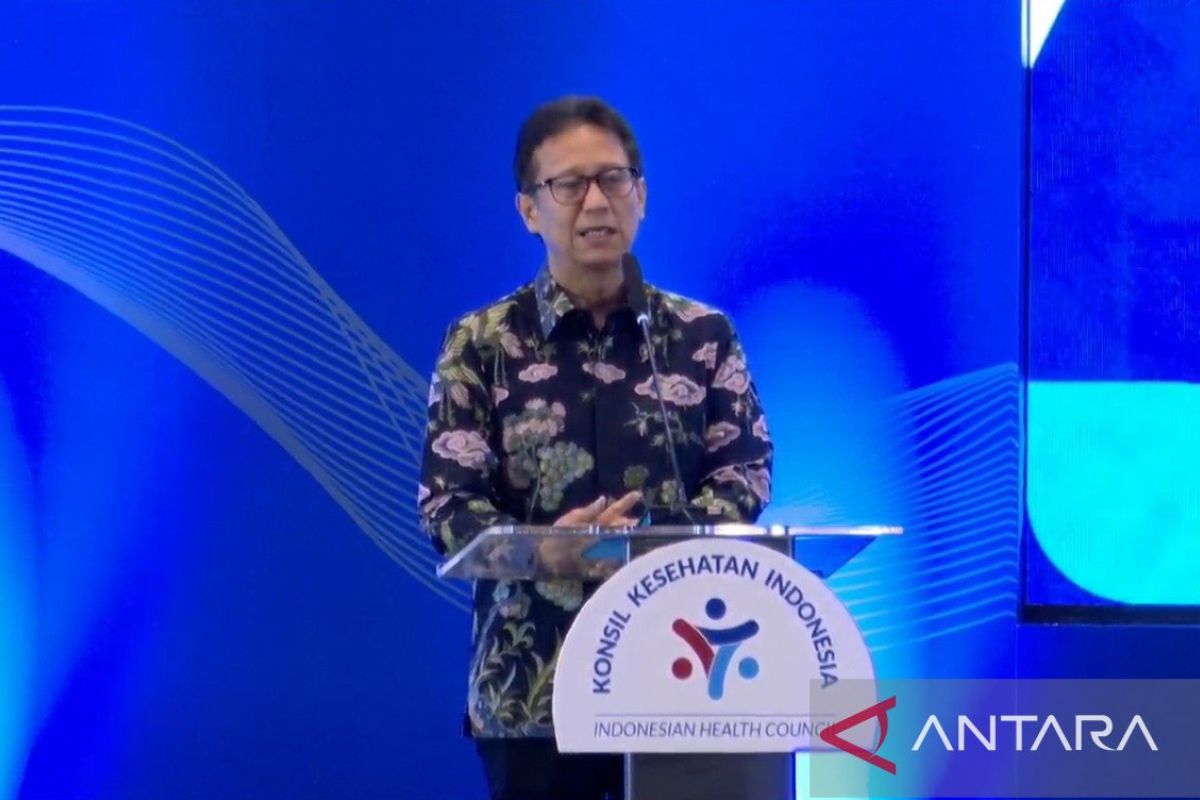
Jakarta (ANTARA) – Health Minister Budi Gunadi Sadikin said nine Advanced Clinical Training (ACT) programmes being prepared by professional colleges for non-specialist doctors and medical personnel are expected to broaden access to healthcare nationwide.
“During my recent travels, I met 72 health ministers while campaigning. They all said there was a shortage of doctors. No country has too many doctors. Their communities also complain about a lack of access to healthcare,” Budi said in Jakarta on Friday.
He said this was a major pressure on health ministers in every country. Access, he said, was the foremost priority in healthcare delivery. Once access had been secured, patient safety could then be improved.
“Second comes quality, or patient safety. Third, the cost must also be affordable,” Budi said.
He expressed appreciation for the Indonesian Health Council’s (KKI) initiative to expand advanced clinical training and make healthcare more accessible. He said the initiative was a response to challenges facing the global health sector.
A strong sense of humanity, he said, motivated people to share knowledge and improve competencies, even though financial and income-related issues were often considered sensitive.
To support the initiative, the government will soon draw up a legal framework for the training programmes, enabling more doctors, nurses, midwives and other health professionals to provide services to Indonesia’s 290 million people.
KKI Chair Arianti Anaya said ACT was similar to a fellowship through which specialist doctors train to become sub-specialists. The difference, she said, was that ACT was designed for non-specialist medical and health personnel.
“We know, for example, that many doctors are performing aesthetic procedures, but the training and legal framework for this work are not yet clear. This will therefore be a focus of examination by our colleagues on the Medical Discipline Council (MDP),” she said.
Arianti said Indonesia currently faced several gaps, including disparities in medical competency. For example, robotic technology was now available and widely used in healthcare, but there were no competency standards for it.
She said structured, standardised training was therefore needed to ensure that services met people’s needs and kept pace with the latest technological developments.
Source: jawawa.id (https://jawawa.id/newsitem/health-minister-act-initiative-can-address-indonesias-healthcare-access-challenges-1793354006)
Originally published by Antara (Indonesian) (https://www.antaranews.com/berita/5821531/menkes-inisiatif-act-mampu-jawab-tantangan-akses-layanan-kesehatan-ri), translated from Indonesian