
Health Minister: 2026 CKG Data to Form Basis for Age-Based Health Interventions
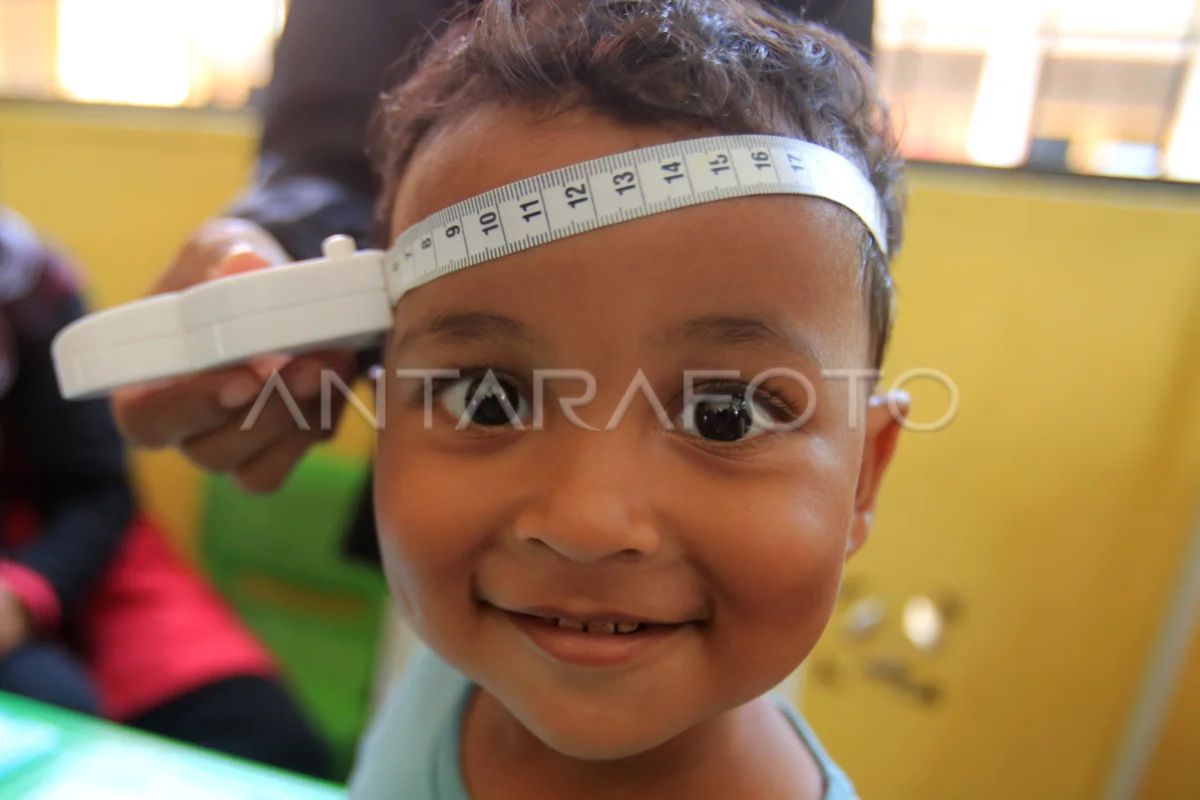
Health Minister Budi Gunadi Sadikin has stated that data collected over the first half of 2026 from the Free Health Screening (CKG) programme provides an increasingly clear picture of public health challenges across different age groups, forming the basis for more targeted government interventions. “We now have much more comprehensive public health data. We know that the health problems of primary school children differ from those of junior high and high school students. With this data, government interventions become more targeted, allowing health resources to be used more effectively,” Budi said in Jakarta on Thursday. He explained that as of 5 July 2026, a total of 59.6 million people had undergone health examinations through the CKG programme, surpassing the set weekly targets. Ministry of Health data shows approximately 921,000 newborns, 3.78 million toddlers and preschoolers, 11 million school-aged children and adolescents, 35.7 million adults, and 8 million elderly individuals participated. “These findings reinforce the importance of paediatric cardiac care readiness, from early detection and referral systems to hospital capacity in handling congenital heart disease,” Budi said. Among primary school-aged children, the most common health problems found were dental caries, followed by elevated blood pressure, nutritional disorders, and hearing and vision impairments. He added that upon entering junior secondary school age, dental problems remained the most common finding. Additionally, mental health issues such as anxiety and depression began to emerge, along with an increased risk of tuberculosis, elevated blood pressure, and nutritional problems. In the senior secondary school age group, this pattern intensified. Dental caries remained the primary issue, followed by elevated blood pressure, mental health disorders, TB risk, and nutritional problems showing a balance between undernutrition and obesity. Among school-aged children and adolescents, the most common health problem found was dental caries, affecting more than 40 percent of examined participants. This was followed by anaemia at 27 percent, elevated blood pressure at 21 percent, earwax impaction at 7 percent, and overnutrition and obesity at 7 percent. “Interestingly, the data also shows that nutritional problems are no longer dominated by undernutrition. The proportion of children with overnutrition or obesity is now approaching the rate of undernutrition, indicating that Indonesia is facing a double burden of malnutrition—both undernutrition and overnutrition simultaneously,” he said.