
Health: Indonesia's New Engine of Competitiveness
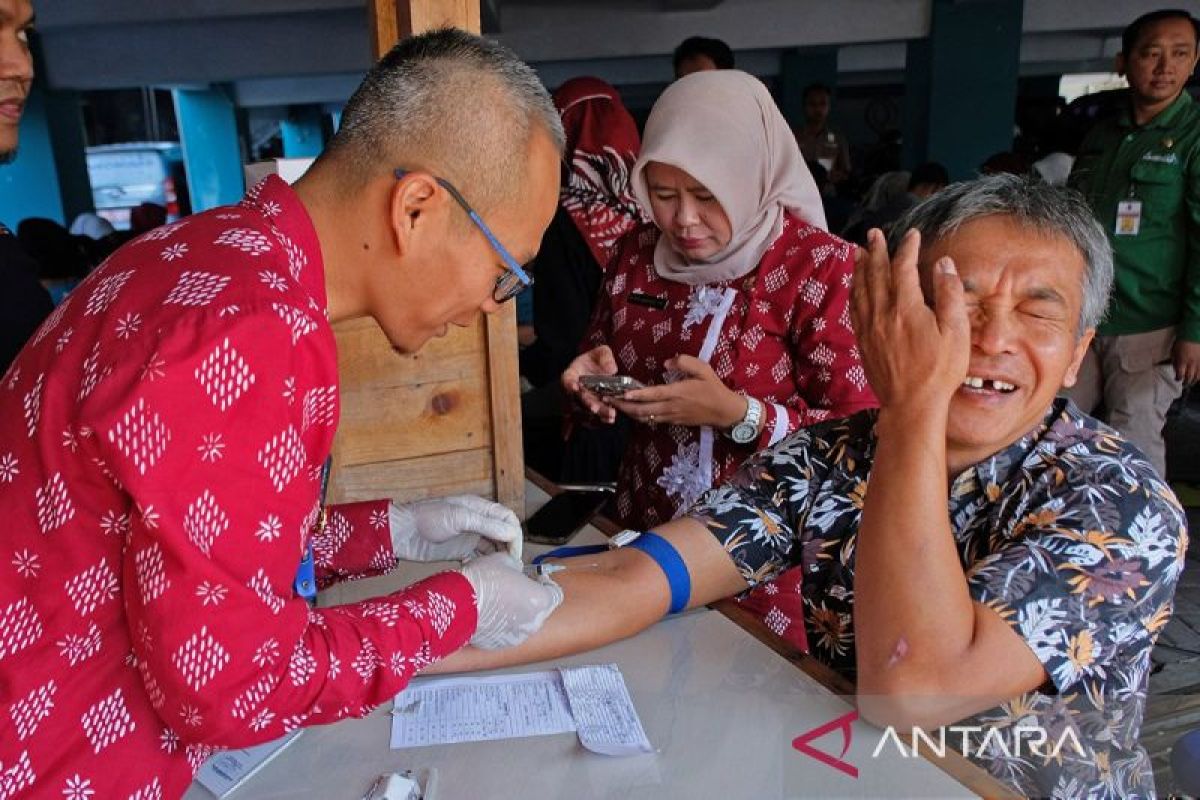
Jakarta - Not all investments yield immediately visible returns. Better roads speed up goods distribution, larger ports facilitate trade, and digital networks accelerate information flow. Yet, there is another investment that works more quietly while determining a nation’s future: public health. From healthy people comes the ability to learn, work, innovate, and keep the wheels of the economy turning.
The link between health and economic growth is becoming increasingly evident across countries. Workforce productivity, the quality of education, and the capacity to create innovation are heavily influenced by the state of public health. For this reason, the health system is no longer viewed solely as a public service, but as the foundation underpinning long-term economic development.
This shift in perspective is beginning to appear in Indonesia’s policy direction. The modernisation of hospitals, strengthening of primary care, equitable distribution of medical equipment, and expansion of early detection programmes indicate that health development is increasingly directed at bolstering the quality of human resources.
This step is reinforced through the distribution of nearly a thousand units of modern medical equipment to hospitals across 514 districts and cities. This equalisation of diagnostic facilities is expected to allow the public to obtain faster services without always needing to be referred to hospitals in large cities. The earlier a disease is detected, the greater the chance of recovery and the smaller the risk of lost productivity.
This change is crucial because Indonesia’s health challenges are also continuously evolving. In addition to infectious diseases, the rise of non-communicable diseases demands a more comprehensive service system, improved technological support, and health workers capable of keeping pace with scientific developments.
The demographic bonus makes this agenda even more strategic. A large productive-age population will only become a development asset if supported by good health conditions. Without that foundation, demographic opportunities can turn into a burden on productivity and social financing.
The government is also continuously expanding service capacity through the construction of regional hospitals and the improvement of basic health facilities. The ongoing construction of dozens of new hospitals, along with plans to build and renovate hundreds more in the coming years, demonstrates an effort to shorten the distance between the public and quality services. Concurrently, the modernisation of thousands of community health centres (puskesmas) is expected to strengthen primary care as the first gateway to the national health system.
Human capital.