
Head of National Nutrition Agency Explains Free Nutritious Meal Programme's Need for 19,000 Cattle Per Day
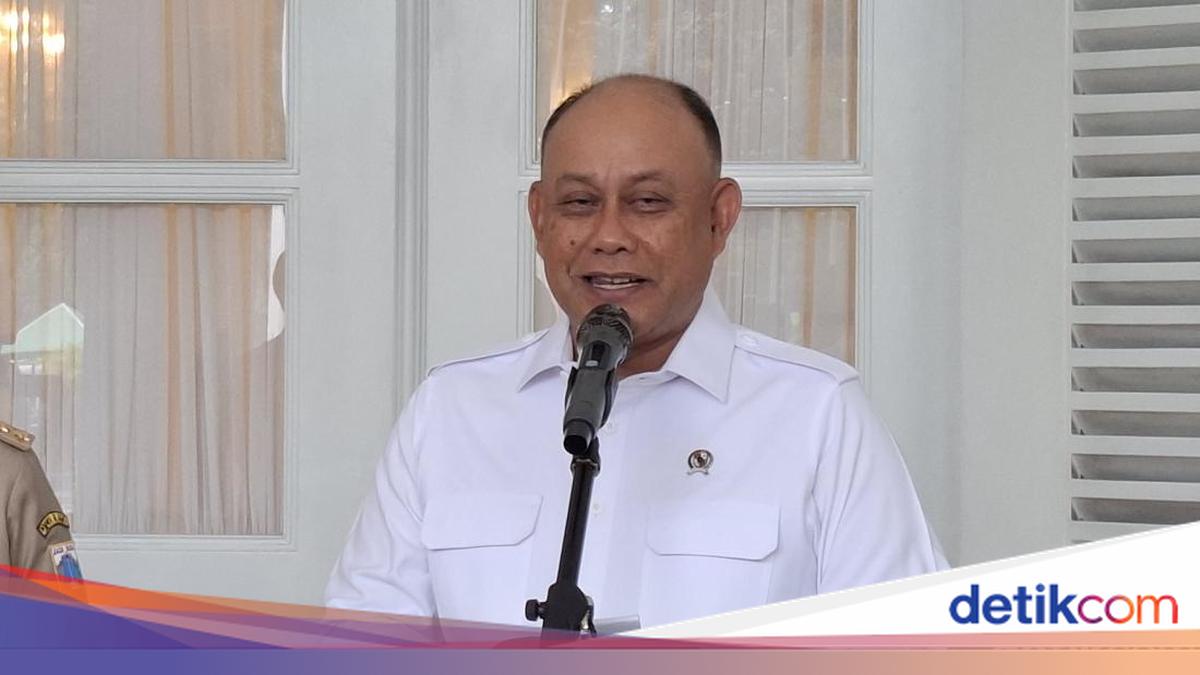
The Head of the National Nutrition Agency (BGN), Dadan Hindayana, has clarified his statement regarding the need for 19,000 cattle per day in the Free Nutritious Meals (MBG) programme. Dadan stated that the figure is merely a hypothesis, not a daily reality.
“This is just a hypothesis. So, for one SPPG, if it cooks beef, it needs one cow. If, for example, the SPPG wants to cook beef today. If we instruct all SPPGs to cook beef on a certain date, then we just multiply the number of SPPGs by one cow,” said Dadan in his statement, as reported on the official BGN website, Thursday (23/4/2026).
Dadan explained that the calculation is based on the assumption that all Nutrition Fulfilment Service Units (SPPG) simultaneously prepare menus using beef. According to Dadan, the beef requirement for one SPPG can reach around 350 to 382 kilograms in a single cooking process.
“The menu includes eggs, chicken, beef, and fish. For example, if cooking beef, it requires 350 kilograms per cooking session, meaning one cow. This is why nutritious meals are important for good ration capture. So, one beef cooking session requires 382 (kg), which means one cow, just the meat,” explained Dadan.
Nevertheless, Dadan stated that BGN has never implemented a uniform national menu policy. He said this is done to avoid surges in food ingredient demand that could impact market prices.
Dadan also mentioned the menu served in the MBG during the commemoration of President Prabowo Subianto’s birthday on 17 October. At that time, the menu served was nasi goreng and eggs for around 36 million beneficiaries.
“That day required 36 million eggs or about 2,200 tonnes. The impact was that egg prices rose by Rp3,000 temporarily,” he revealed.
In response, Dadan said BGN chooses flexibility in compiling MBG menus, adjusting to local resource potentials and community preferences in each region.
“Because we want to empower local resource potentials and also local community preferences. So that the pressure on consumption is not too high. If we mandate a national menu, the pressure will be high, and prices will certainly rise,” he said.