
Head of BMKG: We Must Prepare for Hydrometeorological Disasters
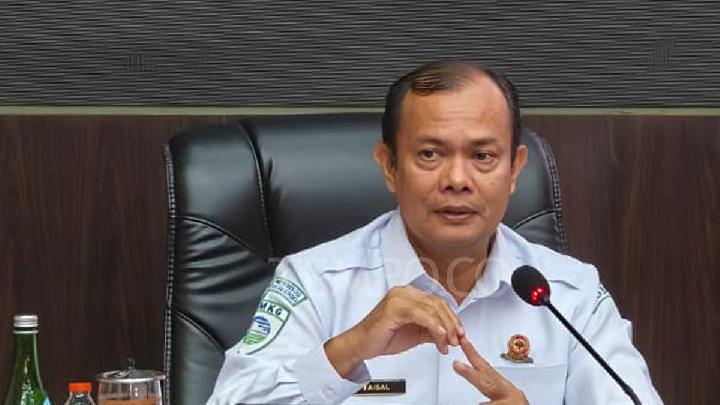
Head of BMKG: We Must Prepare for Hydrometeorological Disasters
Reporter
September 16, 2026 | 10:14 am
TEMPO.CO, Jakarta - Since being appointed Chief of the Meteorology, Climatology, and Geophysical Agency (BMKG) in November 2025, Teuku Faisal Fathani said he had rarely slept soundly. There was almost always a staff member calling while he was asleep. “If there’s an earthquake above magnitude 6, I’ll definitely get a call,” Faisal said on Thursday, September 10, 2026.
At the BMKG’s Multi-Hazard Early Warning System Command Center in Central Jakarta, Faisal said he never turned off his mobile phone. Even during meetings with President Prabowo Subianto, he would answer calls from his staff reporting potential disasters triggered by earthquakes.
Less than a year into the job, the professor at Gadjah Mada University’s Faculty of Engineering had already issued three warnings about earthquake-related disasters. One involved a magnitude-7.7 earthquake that struck East Nusa Tenggara on August 15, 2026.
In an interview with Tempo journalists Alif Ilham Fajriadi, Yosea Arga, Friski Riana, and Erwan Hermawan, along with photographer Tony Hartawan, Faisal discussed BMKG’s monitoring of activity at Mount Anak Krakatau. During the hour-and-a-half interview, he also discussed efforts to tackle forest and land fires and plans to merge the BMKG with the Geological Agency under the Ministry of Energy and Mineral Resources. Excerpts:
Has the eruption of Mount Anak Krakatau subsided? What is the volcano’s current activity?
The first eruption and Alert Level III status began in July 2026. Then came the major eruption on September 4 at 11pm. There were still several eruptions on September 5 and 6. Data from BMKG’s seismographs, including geomagnetic readings, volcanic lightning, and other indicators show that the intensity of the eruptive activity has declined. Naturally, the amount of volcanic ash being ejected has also decreased.