
Head of BGN Reveals Prabowo's Instructions Regarding Hundreds of Suspended MBG Kitchens
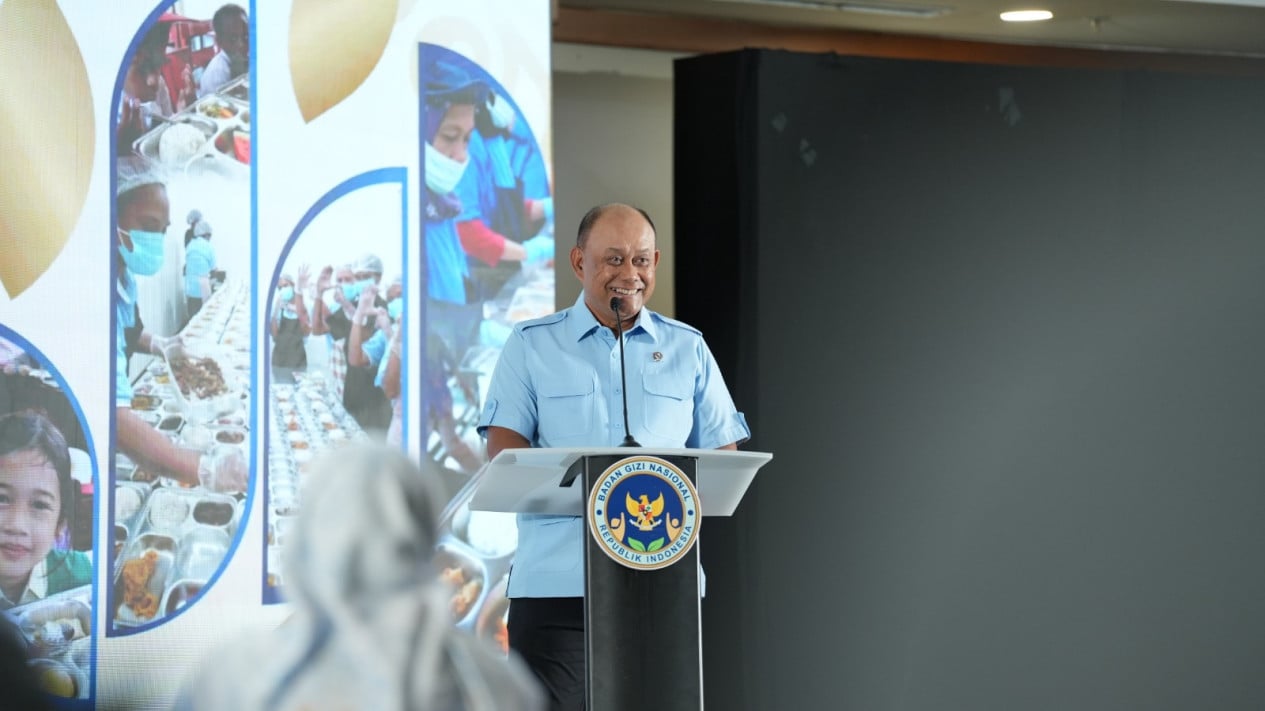
The National Nutrition Agency (BGN) has affirmed its commitment to enhancing the quality of the Free Nutritious Meals Programme (MBG) by tightening operational standards across all Nutrition Fulfilment Service Units (SPPG). This step follows instructions from the President to ensure the national priority programme not only reaches a wide audience but also adheres to established quality standards.
Head of the National Nutrition Agency, Dadan Hindayana, stated that hundreds of SPPG remain temporarily suspended due to non-compliance with technical and operational requirements. Of the total 1,030 SPPG, 760 are still undergoing repairs and evaluation.
“The President emphasised that all SPPG failing to meet standards must have their operations temporarily halted until comprehensive improvements are made. This is crucial to maintain the quality of MBG services and provide optimal benefits to the public,” Dadan said in his statement on Monday, 30 March 2026.
Furthermore, Dadan explained that the grounds for temporary suspension include the absence of Hygiene Sanitation Certification (SLHS), lack of Wastewater Treatment Installation (IPAL), non-conformity of meal portions with nutritional standards, and other technical aspects requiring attention.
Additionally, BGN highlighted the overly minimal menu presentations during last Ramadan, which generated negative public perceptions. Evaluation of this issue forms a key part of the comprehensive quality improvement efforts.
BGN stressed that the MBG programme must prioritise the serving of fresh food with portions aligned to nutritional standards and the needs of beneficiaries.
Therefore, ongoing evaluation and guidance processes are being conducted to enable all currently suspended SPPG to resume operations swiftly with improved, safe, and compliant service quality.
Through these tightened standards, BGN hopes the MBG programme will become increasingly effective in supporting improved nutritional status among the population and strengthening public confidence in this strategic national initiative.