
Haze Returns to Labuan Bajo
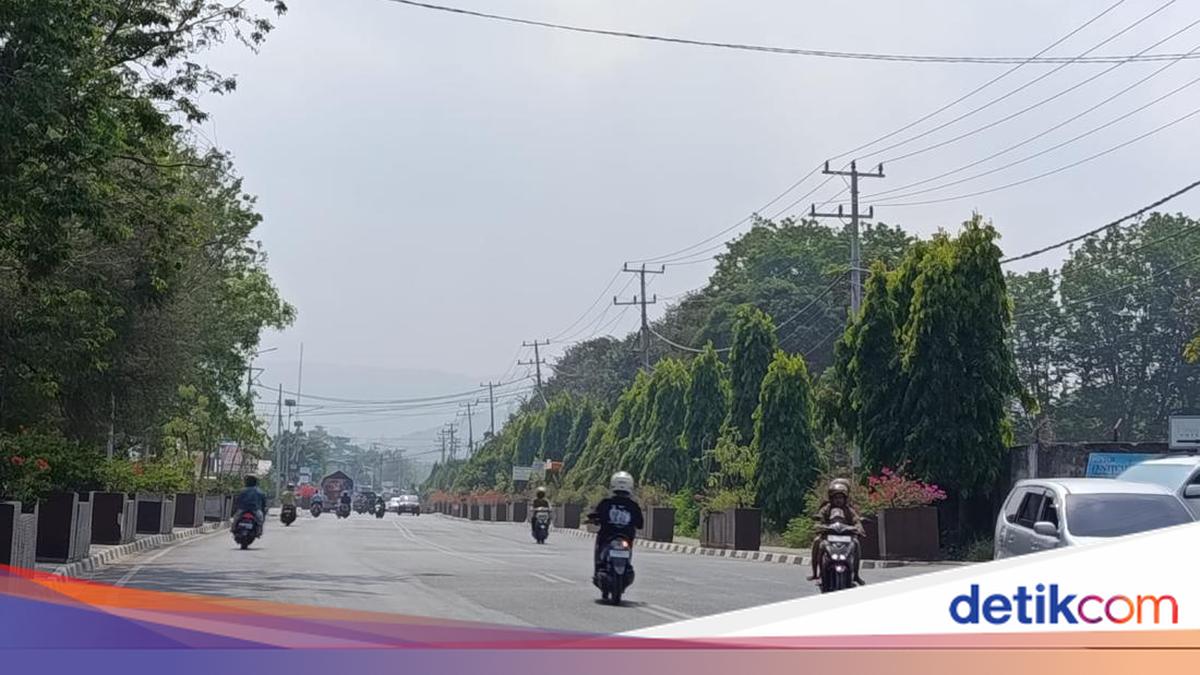
Haze has returned to Labuan Bajo, West Manggarai, East Nusa Tenggara (NTT), on Tuesday (20 October 2026). The sky over Labuan Bajo appeared hazy.
Several residents complained of sore eyes after exposure to the haze, particularly motorcyclists.
“My eyes sting when I take off my helmet,” a resident said by the roadside in front of SMAK Loyola Labuan Bajo.
Residents interviewed on Frans Nala Street and near Komodo International Airport reported similar symptoms. “Where is this fire smoke coming from? My eyes are stinging,” Karmo said on Frans Nala Street.
DetikBali also experienced eye irritation while travelling along a road in Labuan Bajo at around 10 am local time. The haze has also reduced visibility to 4–5 kilometres.
Haze is a reduction in air clarity caused by small particles that obscure vision and make the sky less clear. It often occurs when dust, smoke or water vapour accumulates in the atmosphere and blocks light.
Maria Patricia Christin Seran, head of the Komodo Meteorological Station, said haze in this super-priority tourism destination was caused not only by smoke from local land fires or smoke carried from other regions, such as Papua or Kalimantan.
“The sun’s apparent position in October also drives high evaporation, which then mixes with dry surface dust. It has been a long time since we had substantial rain; when it does rain, it is only briefly, and that merely lifts the dust on the surface rather than washing it away,” Maria said on Tuesday (20 October 2026).
Maria said the haze also came from emissions generated by urban activity in Labuan Bajo, where tourism traffic is heavy. High levels of sea-salt aerosols, caused by wind patterns around the headland and surrounding waters, are another contributing factor.
“The combination of these particles becomes trapped beneath an inversion layer, absorbs moisture from the humid coastal air and swells (hygroscopic growth), collectively causing a sharp decline in horizontal visibility,” Maria explained.